A recent study has documented a geochemical phenomenon in the abyssal plains: the production of oxygen by polymetallic nodules. These nodules, rich in manganese, act as natural catalysts, breaking down seawater at extreme depths. This process, named dark oxygen production, occurs in the total absence of sunlight, challenging the idea that photosynthesis is the only primary source of oxygen in the deep oceans.
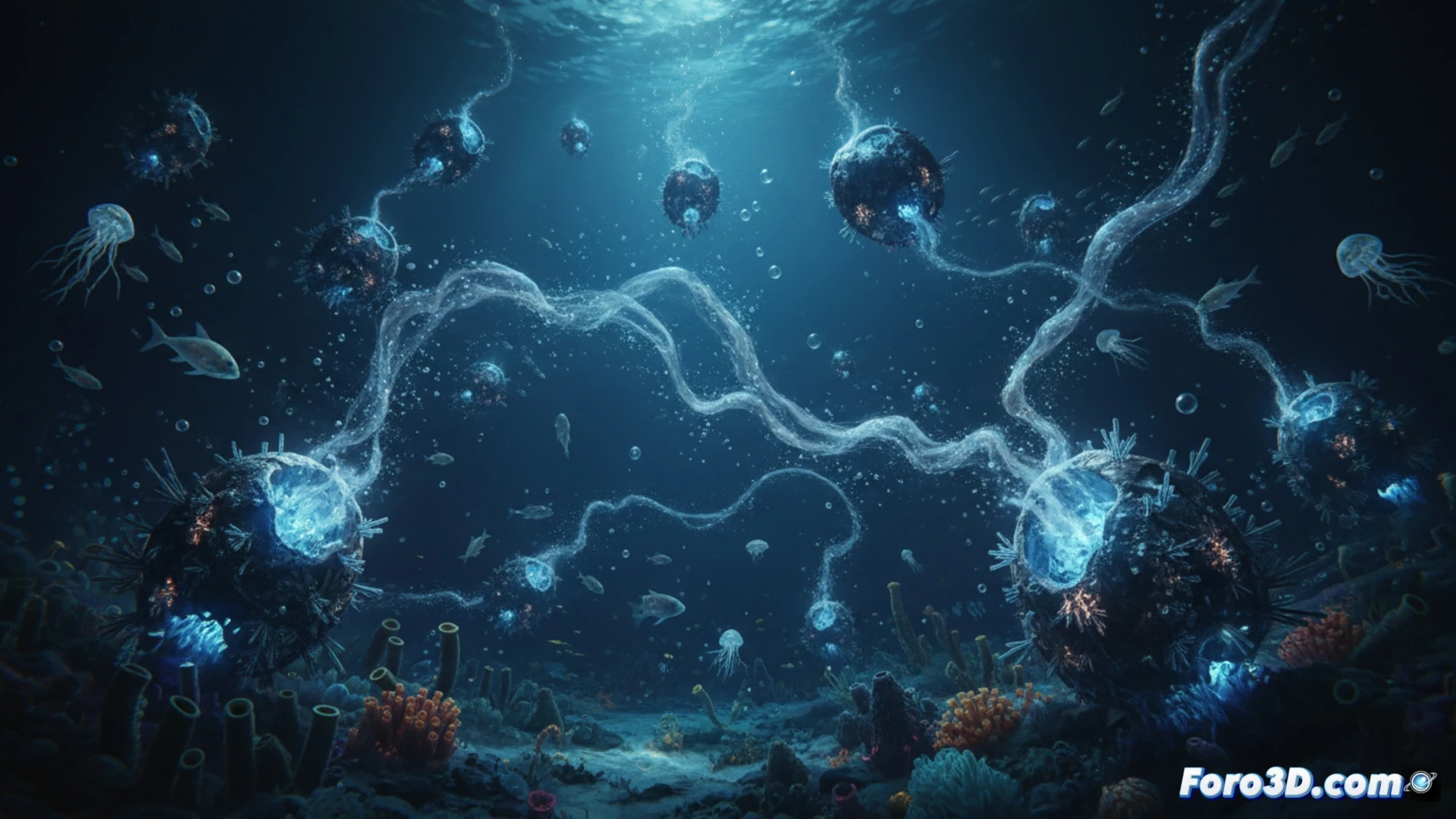
Electrochemical mechanism and applicative potential 🔬
The process is based on the electrochemical oxidation of water, catalyzed by the manganese oxides in the nodules. By reacting with reduced metal ions in the sediment, such as iron, an electron flow is generated. This flow drives the splitting of water molecules (H2O), releasing protons, electrons, and molecular oxygen (O2). Research is exploring replicating this mechanism with synthetic catalysts for life support systems in underwater or space habitats, where light is a limited resource.
The nodules go independent: they no longer need algae 😎
It seems that the nodules, tired of living in the shadow of algae and their photosynthetic monopoly, have decided to set up their own oxygen factory in the oceanic basement. Without asking permission, without chlorophyll, and in the dark, they have developed their low cost method. One can almost imagine them whispering among the currents: Photosynthesis? That's so Pleistocene. We work with electrochemistry and abyssal style. A game-changer for marine biology, which now must consider these rocks as colleagues in the breathing business.