Waymo has reached an agreement to repurpose the spent batteries from its robotaxis as solar energy storage systems. These batteries, while no longer useful for driving, still retain enough capacity to function as large power banks. For citizens, this means better utilization of renewable energy, reducing waste and potentially lowering electricity costs. The initiative seeks a practical and economical use for discarded batteries. 🔋
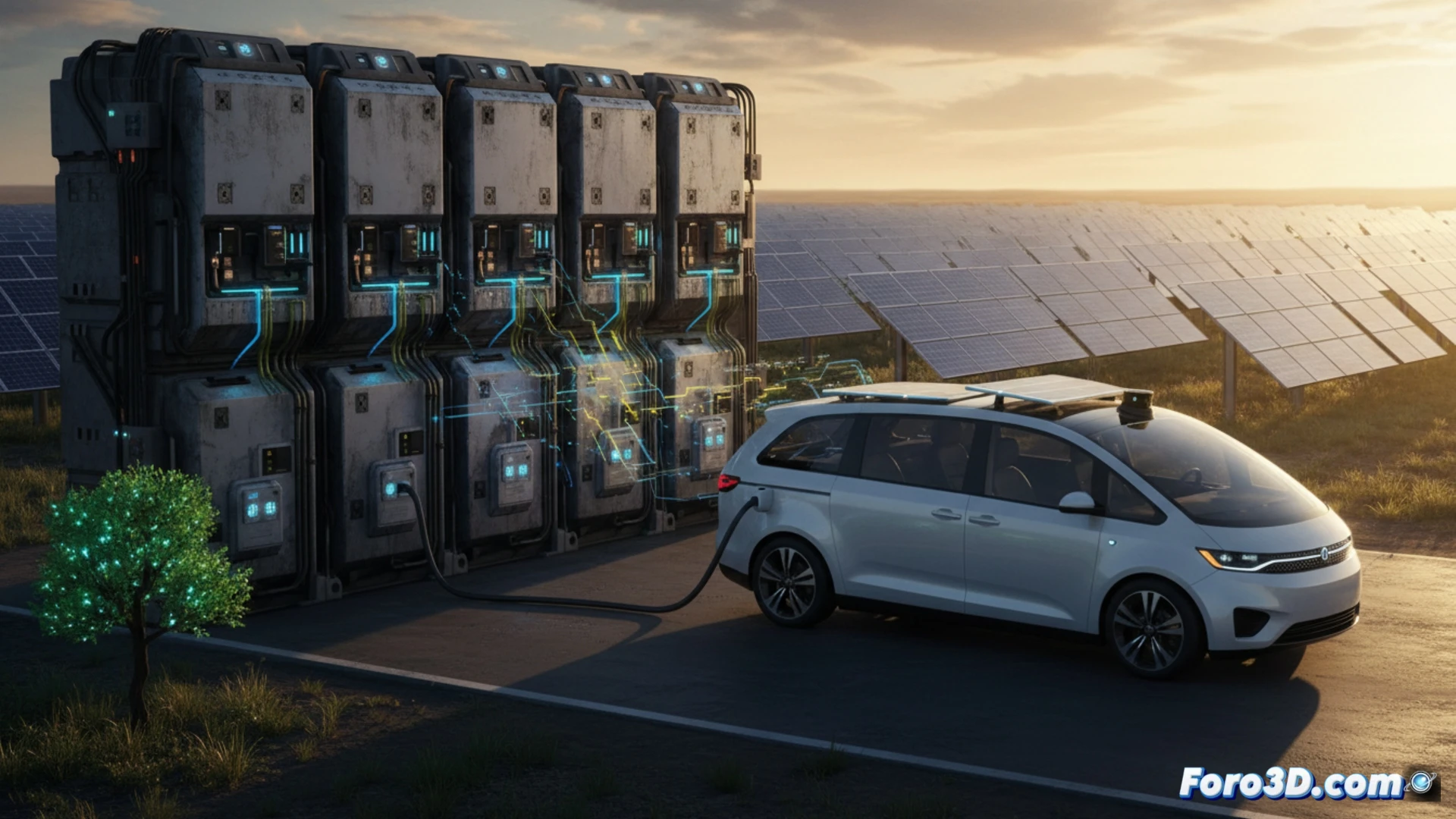
How second-hand battery storage works ☀️
Waymo robotaxi batteries are retired when their performance drops below 70% of their original capacity, a level insufficient for autonomous driving. However, they can still store energy from solar panels for hours or days. Waymo groups them into modular containers connected to the power grid. This system allows absorbing midday solar surpluses and releasing them at night, stabilizing the supply. This avoids the costly immediate recycling process and extends the product's useful life.
Batteries retire but don't fully step down 🛋️
Robotaxi batteries, like many office workers, are no longer useful for hard work but still serve for low-profile tasks. While a driver would expect their car to perform at 100%, a half-worn battery can spend the rest of its days storing solar energy without anyone demanding quick accelerations. In the end, these batteries enjoy a golden retirement: without moving from the garage, but connected to the grid so others can save on their electricity bill.