South Korean startup Unastella has closed a $24 million round following the successful launch of its UNA EXPRESS-I rocket in May 2025. This suborbital vehicle uses a simpler and cheaper system than SpaceX's, aiming to offer affordable launches for small satellites. For the public, this means South Korea is advancing towards having its own access to space, reducing dependence on foreign rockets.
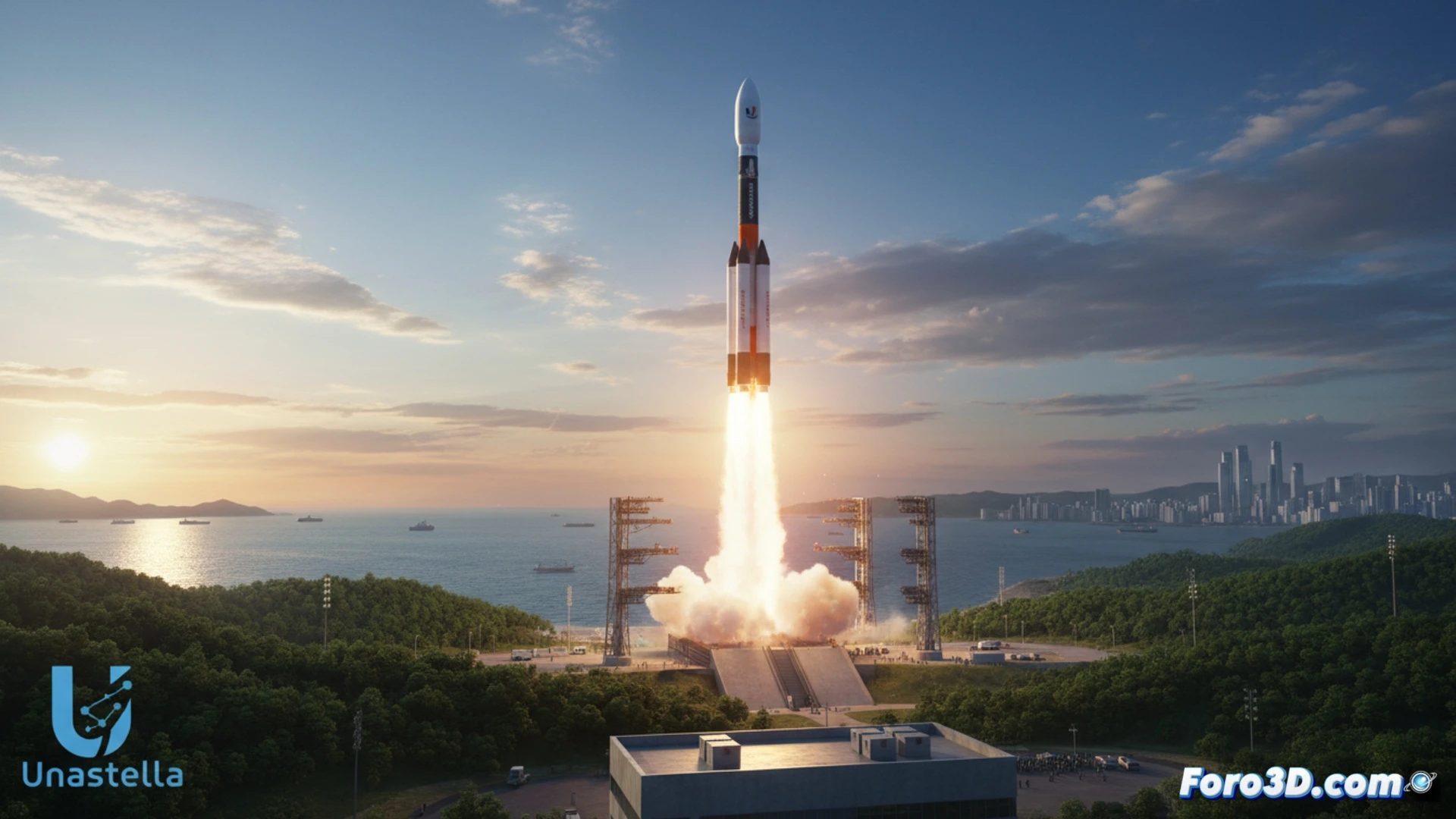
Simplified Technology to Lower Orbital Access Costs 🚀
The UNA EXPRESS-I uses a liquid fuel engine with a tank pressure cycle, eliminating complex turbopumps. This design reduces manufacturing and maintenance costs, although it limits payload capacity to about 50 kilograms on a suborbital trajectory. Unastella plans to scale the system to reach low orbits in 2026. The strategy directly competes with companies like Rocket Lab or Firefly, seeking a niche in the nanosatellite market with prices below $2 million per launch.
The Tyranny of the Rocket Equation (and the Budget) 💸
A South Korean startup raising $24 million after its first suborbital flight sounds like science fiction, but it's real. Meanwhile, in the rest of the world, investors are still waiting for someone to launch a rocket without it exploding in slow motion. Unastella promises cheap rockets, but beware: cheap turns out expensive if the satellite ends up at the bottom of the sea. At least, now we know that Koreans also want their slice of the space pie.