The Science Park of Miguel Hernández University has used 3D printing to manufacture trophies that recognize entrepreneurs from Elche for their collaboration with the Dravet Syndrome Foundation. This rare disease causes severe epilepsy in children. The initiative demonstrates that local technology can bring visibility to social causes and foster business solidarity in Elche.
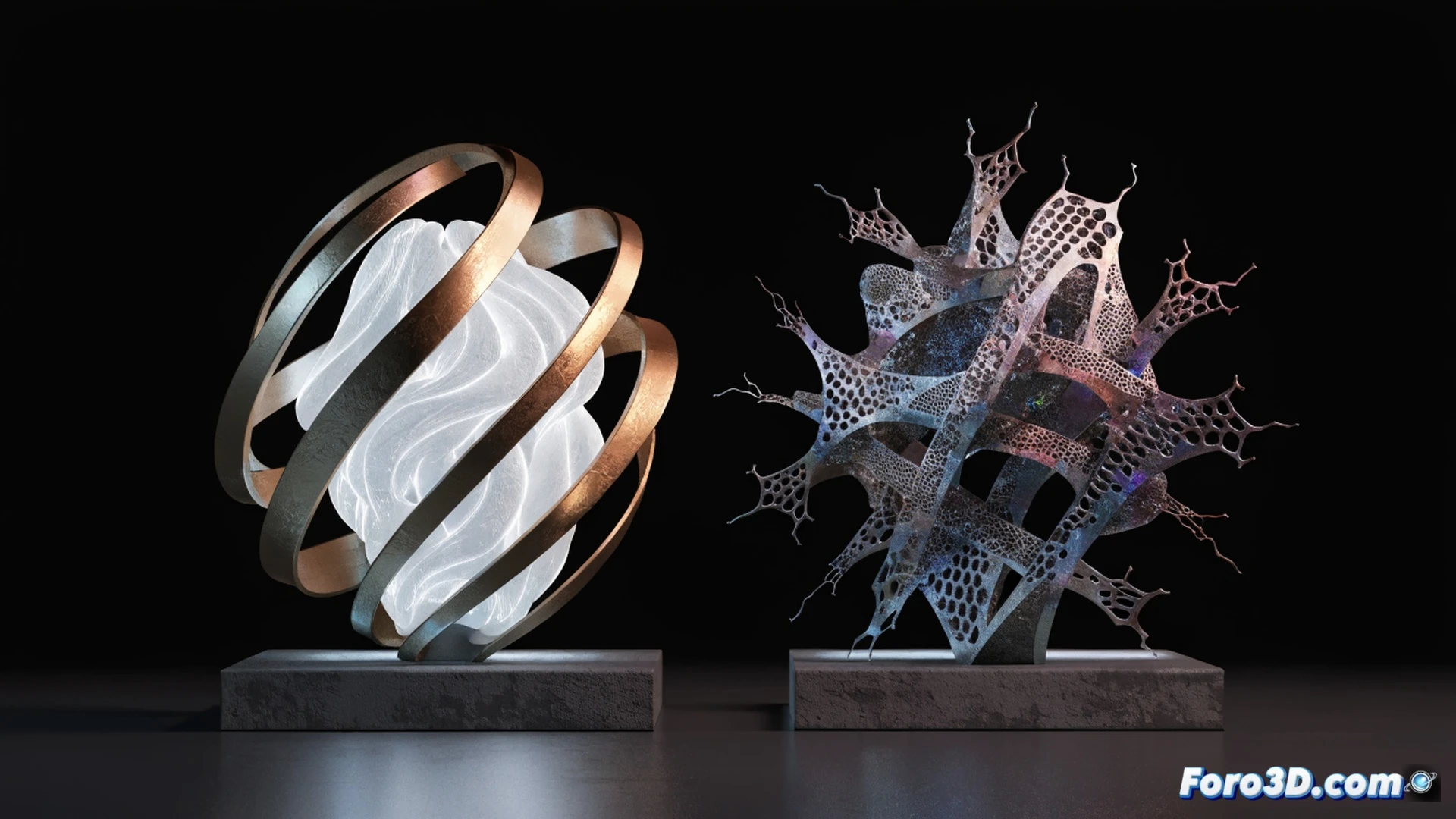
3D Printing with Purpose: Technical Design in Service of a Social Cause 🏆
The awards have been designed and manufactured entirely in the science park's laboratories. PLA filaments were used, a biodegradable material that allows high precision in details. The digital modeling process was carried out with open-source software, optimizing the design to avoid supports and reduce printing time. Each trophy is a unique piece, manufactured on demand, demonstrating the versatility of additive manufacturing to create objects with deep meaning.
Finally, a Trophy That Doesn't End Up in the Closet (or Eat Batteries) 😅
While other awards are made of glass or metal and end up as paperweights, these 3D printed trophies have the advantage of being biodegradable. If the entrepreneur gets tired of looking at it, they can return it to nature without remorse. Of course, they shouldn't leave it in the sun, or it will turn into a liquid paperweight. At least, the gesture of supporting Dravet syndrome research doesn't melt with the heat of an Elche summer.