Companies like Tesla and DoorDash pay between $15 and $48 per hour for people to record themselves scrubbing dishes or folding laundry. These videos feed the learning of humanoid robots, which copy every movement to automate household tasks. An extra income opportunity that hides a labor paradox.
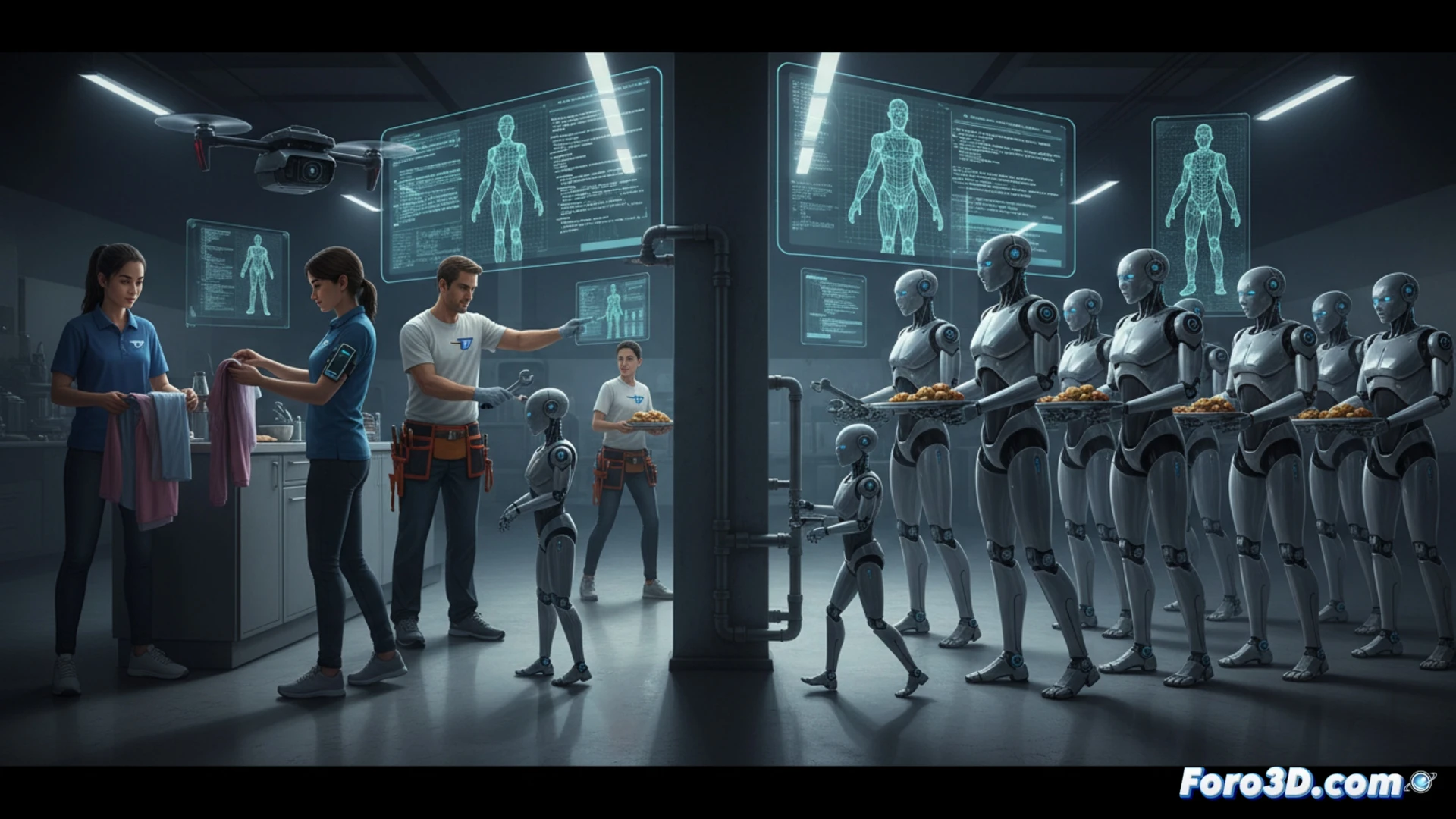
The invisible training of home automation 🤖
Humanoid robots require large volumes of real motion data to learn. Each video of a person folding a t-shirt or washing a dish becomes a reference point for imitation algorithms. Companies like Figure AI and Agility Robotics develop these systems with data from human workers. The process is efficient for the machine, but the worker receives nothing more than an hourly rate, with no stake in the robot's future value or guarantees about their own job.
And then they'll say robots took our jobs 😅
So the play is perfect: you pay someone $20 to teach you how to do their job, and then you tell them their position no longer exists because the machine does it better. It's like paying your neighbor to teach you how to steal his car. If at least they offered a discount on the replacement robot, but no, you have to buy it at full price.