The Stuttgart 21 railway project has become more expensive again. Its cost now reaches 14.5 billion euros, three billion more than planned. Originally estimated at 3 billion, it has been under construction for 16 years and its completion is repeatedly delayed. Taxpayers watch as public funds allocated for transport grow without tangible results appearing.
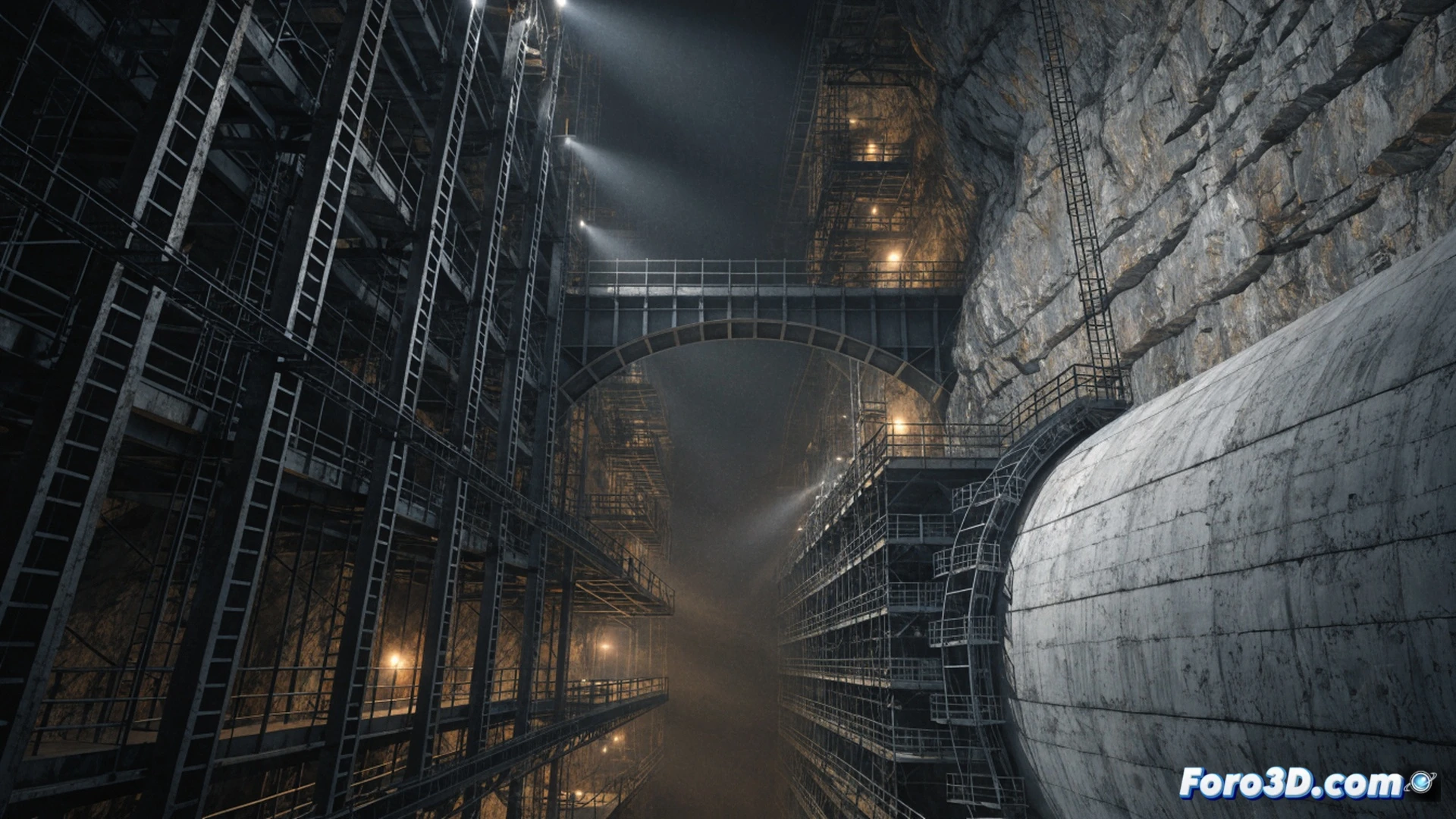
German engineering: lengthening deadlines and skyrocketing costs 🚧
The technology used in Stuttgart 21 includes high-speed tunnels under the city center and a new underground station with eight tracks. However, geological problems and water leaks have forced parts of the route to be redesigned. The digitalization of signals and control systems has also not helped meet deadlines. Each delay adds millions to the bill, while trains continue to run on temporary tracks.
The station that promised a bullet train and delivered a hole in the ground 🕳️
Stuttgart residents now have a new local sport: guessing how much the next extension will cost. The project has been under construction longer than the Berlin Wall stood, and at this rate, seeing it finished will be like waiting for the sun to rise at midnight. At least, when it's done, travelers can say they paid the most expensive ticket in history to go nowhere.