Apple confirmed that the new Siri with artificial intelligence, presented in 2024, will not arrive until 2026, and Europe is left off the map. The company is repeating the script of the first iPhone in 2007, which barely worked during its presentation and required an exact sequence of steps to avoid failures. For users, this confirms that technological promises are often a short-term mirage.
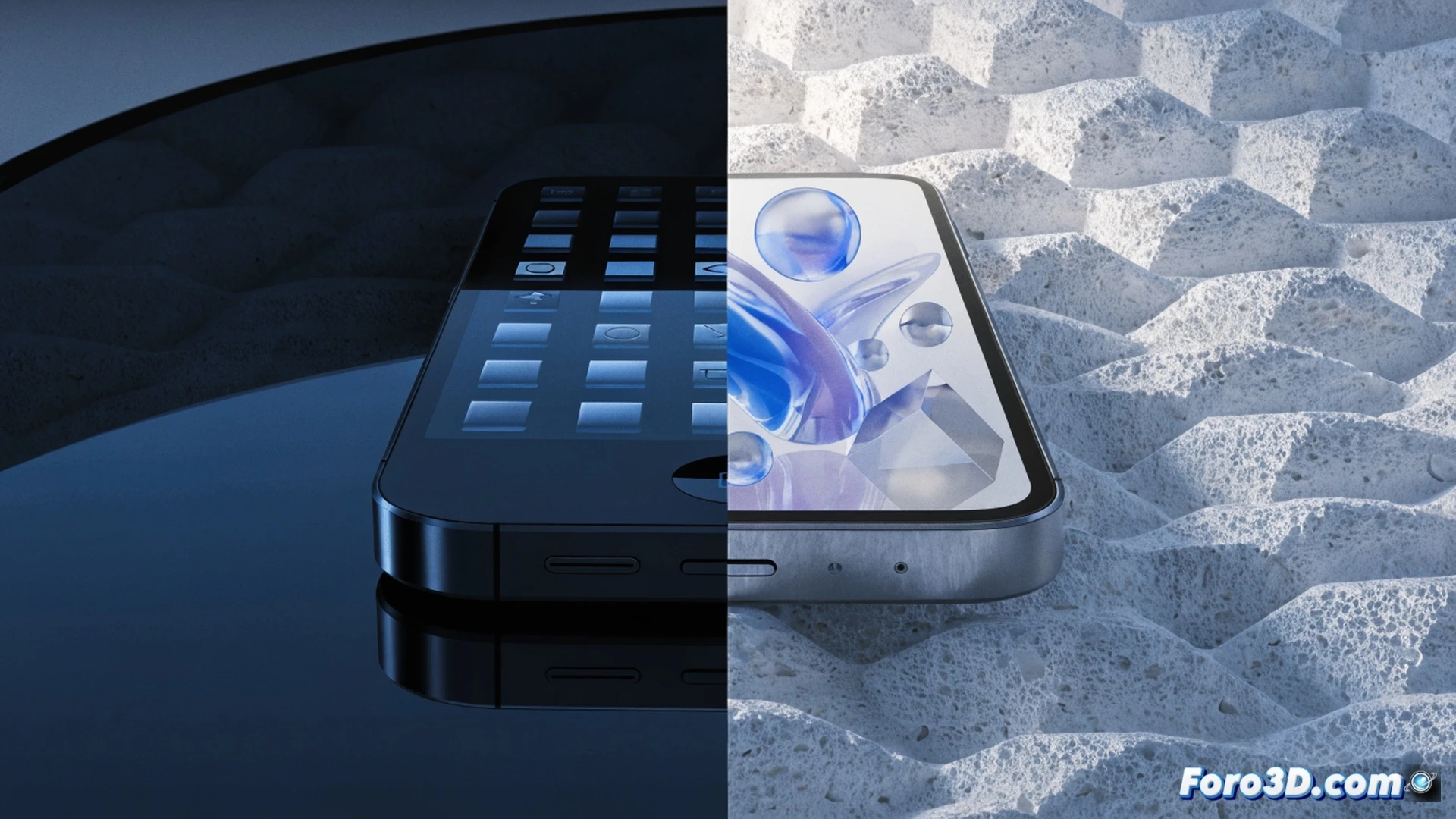
The shadow of 2007 looms large in Cupertino 🕰️
The first iPhone required pressing a specific icon, waiting for a particular load, and not deviating from the script so that Steve Jobs wouldn't draw a blank. The new Siri follows that tradition: features like on-screen control or in-app actions require a closed ecosystem and specific chips that are not yet ready. Apple prioritizes the media applause of the announcement, leaving the actual development for years later. The strategy works on the stock market, but not in the customer's pocket.
Siri promises, but Europe waits on the sidelines 🚏
Meanwhile, Europeans look at the calendar like someone waiting for a bus that never comes. Apple says that the AI-powered Siri needs a local verification process, which is a fancy way of saying they haven't started. The funny thing is that, by the time it arrives in 2026, we will probably have to follow an exact three-step sequence and pray that it doesn't crash. Like the 2007 iPhone, but with more years of waiting and less coverage.