Shell has presented a prototype electric vehicle capable of going from 10 to 80% battery in less than ten minutes. The relevant aspect is that it achieves this using a 175 kW charger, a common piece of equipment in the current public network. This avoids relying on extreme and very expensive power levels, opening the door to faster and more accessible recharging for the average citizen.
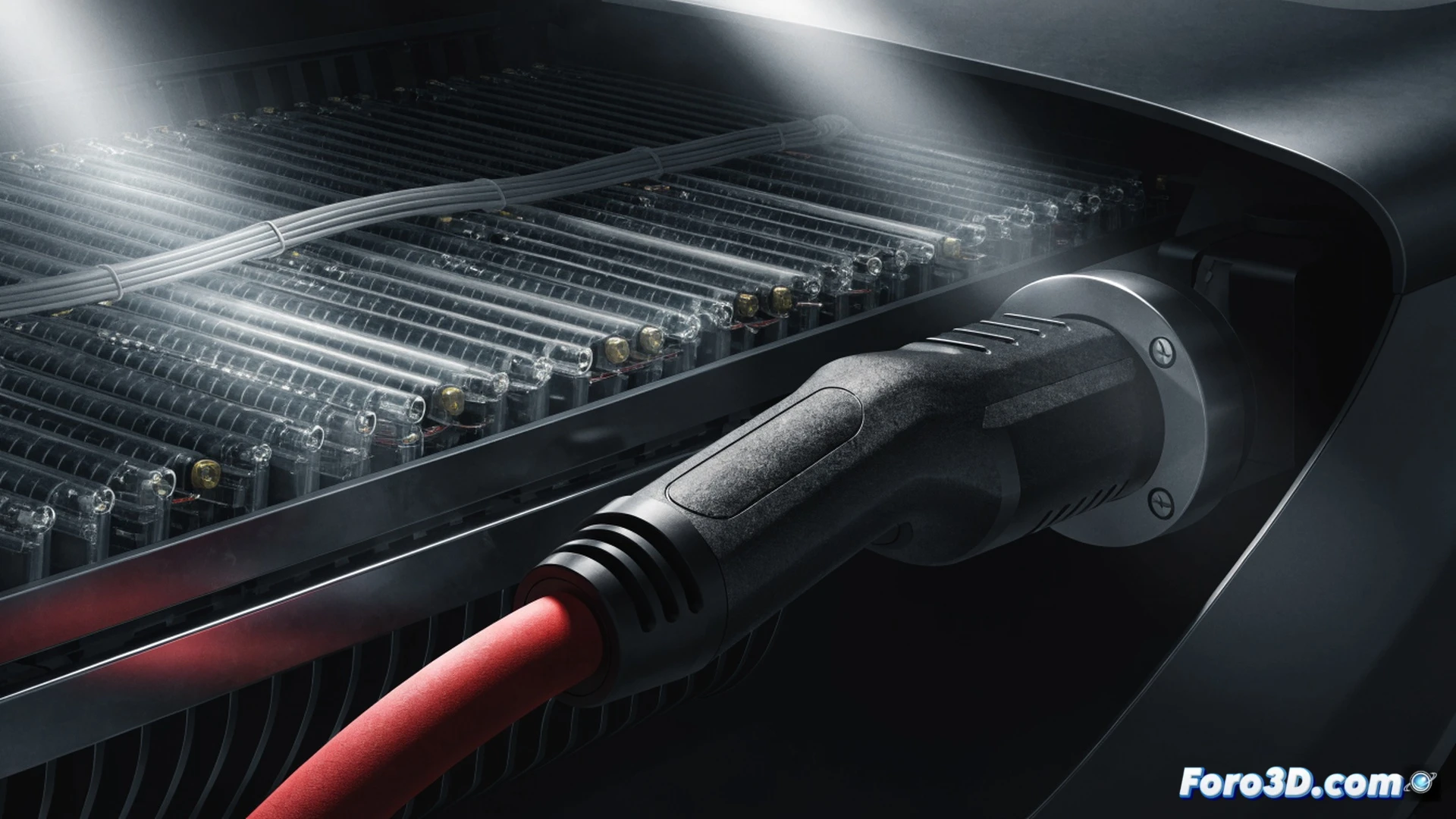
Less power, more efficiency: the trick is in the chemistry ⚡
The key is not in increasing the charger's power, but in optimizing the battery chemistry and thermal management. Shell's prototype keeps the temperature under control during fast charging, avoiding the overheating that degrades cells. This allows the use of 175 kW chargers, common at charging stations, without the need for expensive cooling systems or special transformers. The result is more efficient recharging and a battery that could last for more cycles.
Goodbye to the 30-minute express recharge coffee ☕
Until now, charging an electric car was like waiting for an order at a slow restaurant: you had a coffee, another coffee, and another one, and the car was still plugged in. With this advancement, the ritual changes. You arrive, plug in, have a short coffee, and when you return, the car is already ready. Or almost, because there will always be someone who orders an iced coffee and is surprised that their car has already charged while they are still waiting for the temperature change.