A team of scientists has managed to capture in three dimensions the so-called atmospheric rivers that cross Antarctica. These air currents transport enormous amounts of moisture from the ocean to the frozen continent. The finding allows a better understanding of how these phenomena affect the polar climate and the ice mass balance. The research was published in the journal Geophysical Research Letters.
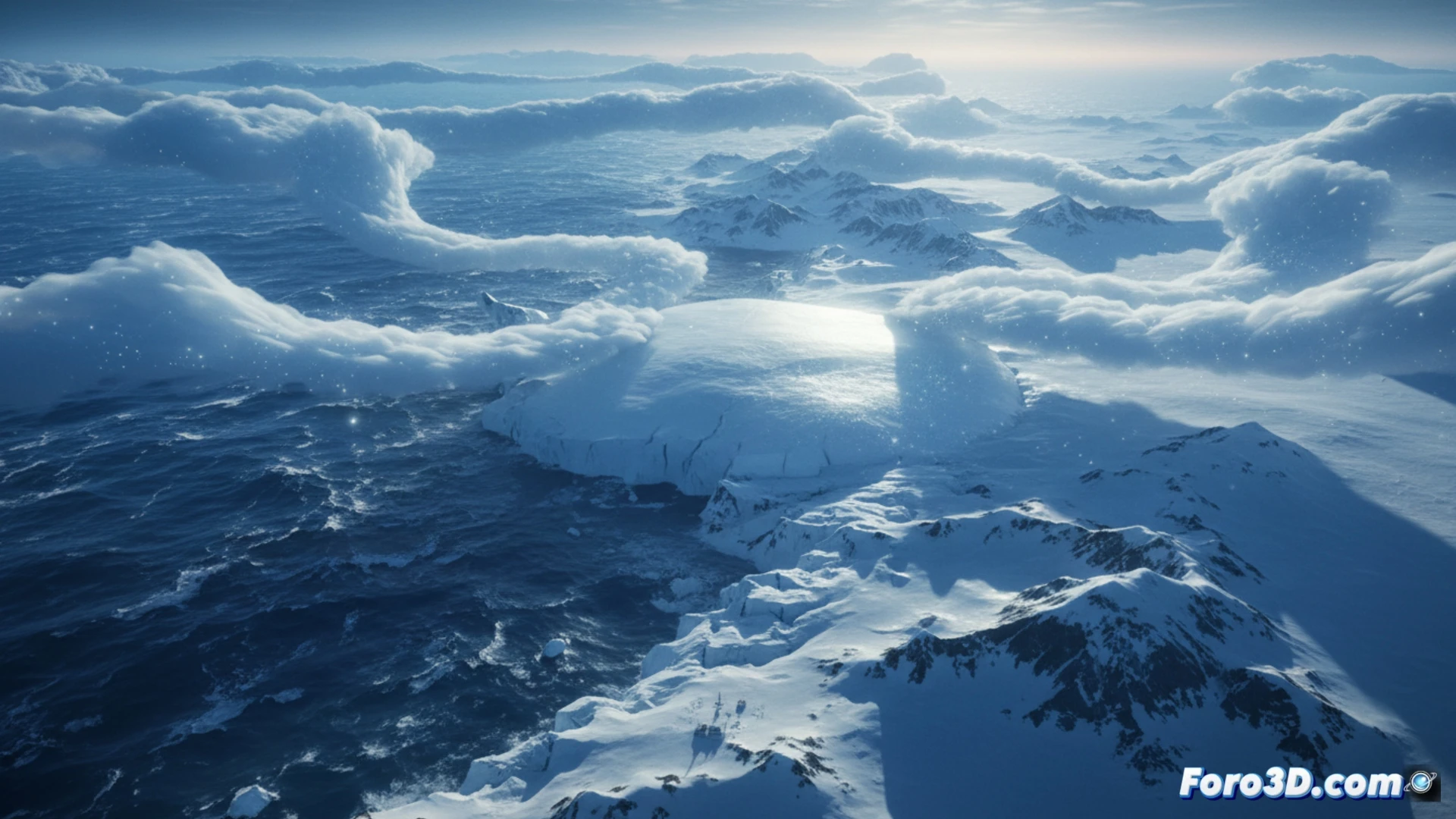
How the 3D capture of vapor currents works 🌊
To obtain the three-dimensional images, the researchers used data from NASA's Aqua satellite and the AIRS instrument, which measures temperature and water vapor in the atmosphere. They combined these readings with high-resolution weather models. This allowed them to visualize the vertical structure of these rivers, which can stretch for thousands of kilometers and transport as much water as the Amazon. The technique makes it possible to track their evolution and predict their impact on snow accumulation.
The river that doesn't get you wet, but still soaks you 🐧
Finally, some moisture in a place where your skin cracks just by looking at the thermostat. These atmospheric rivers are like the water delivery service, but without a tip or prior notice. They arrive, dump tons of snow, and leave, leaving penguins wondering whether to ask for an umbrella or a new coat. Sure, at least now we know it's not that the sky has leaks, but that a river is flying by.