Eleven EU countries request a three-year delay on new anti-methane regulations. They argue that immediate compliance would make imported gas more expensive and affect supply amid the geopolitical crisis. For citizens, this could avoid increases in electricity and heating bills, but it also postpones the fight against climate change.
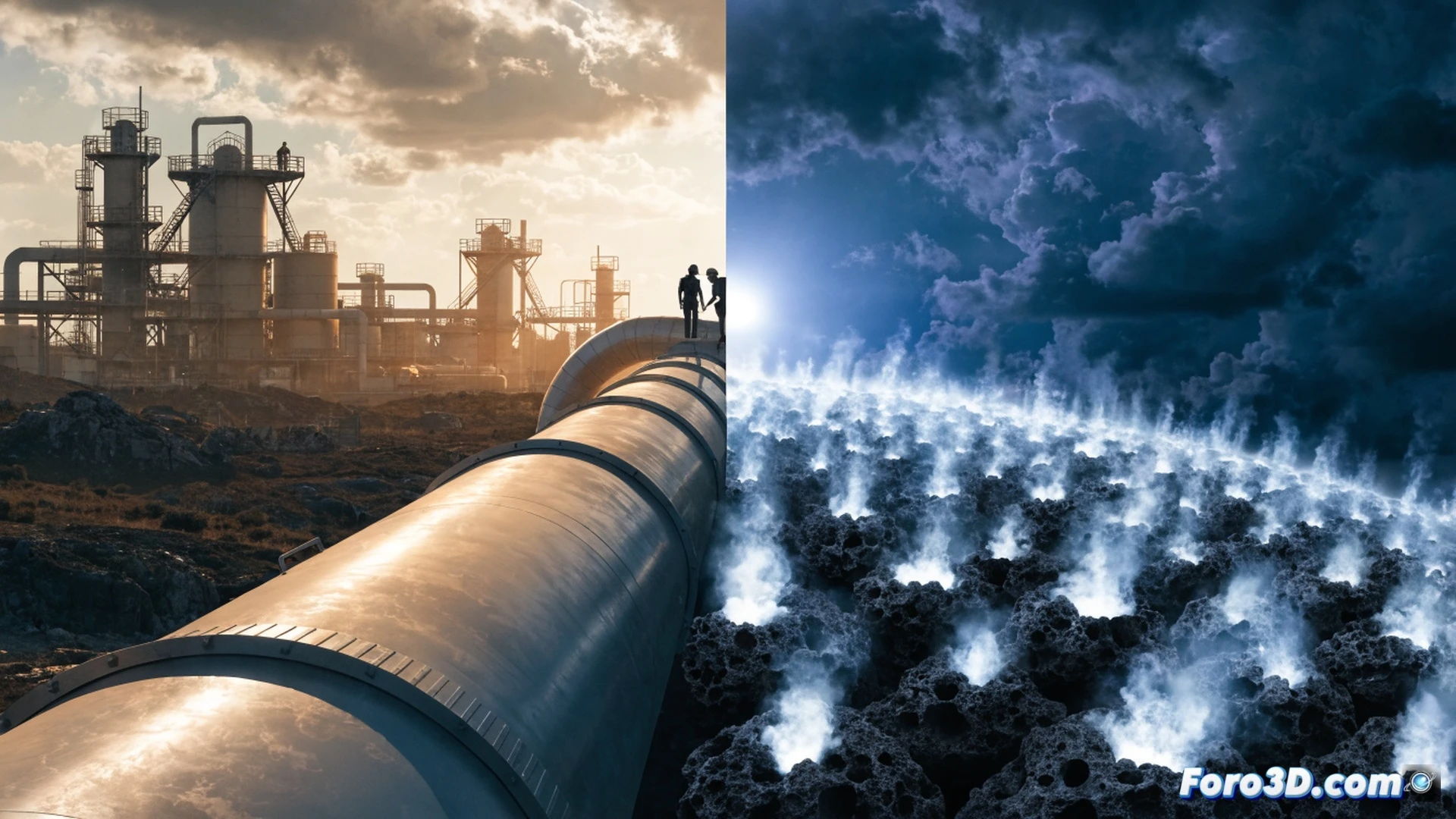
Current technology for detecting and reducing methane emissions 🛰️
Satellite systems and ground sensors capable of locating methane leaks in real time exist. Technologies such as gas capture and flaring, or its conversion into electricity, are already viable. However, their large-scale implementation requires investment and timeframes. The energy sector argues that forcing these changes without an adaptation margin would raise the costs of foreign liquefied gas.
The gas lobby asks for more time to keep the momentum going 💸
It seems eleven countries have discovered that methane is a noble gas... especially when it leaves money in the coffers. They ask for three extra years so that foreign suppliers can continue selling gas with leaks without remorse. After all, what are a few tons of methane in the atmosphere compared to the drama of a slightly more expensive heating bill? The next request will be to delay winter.