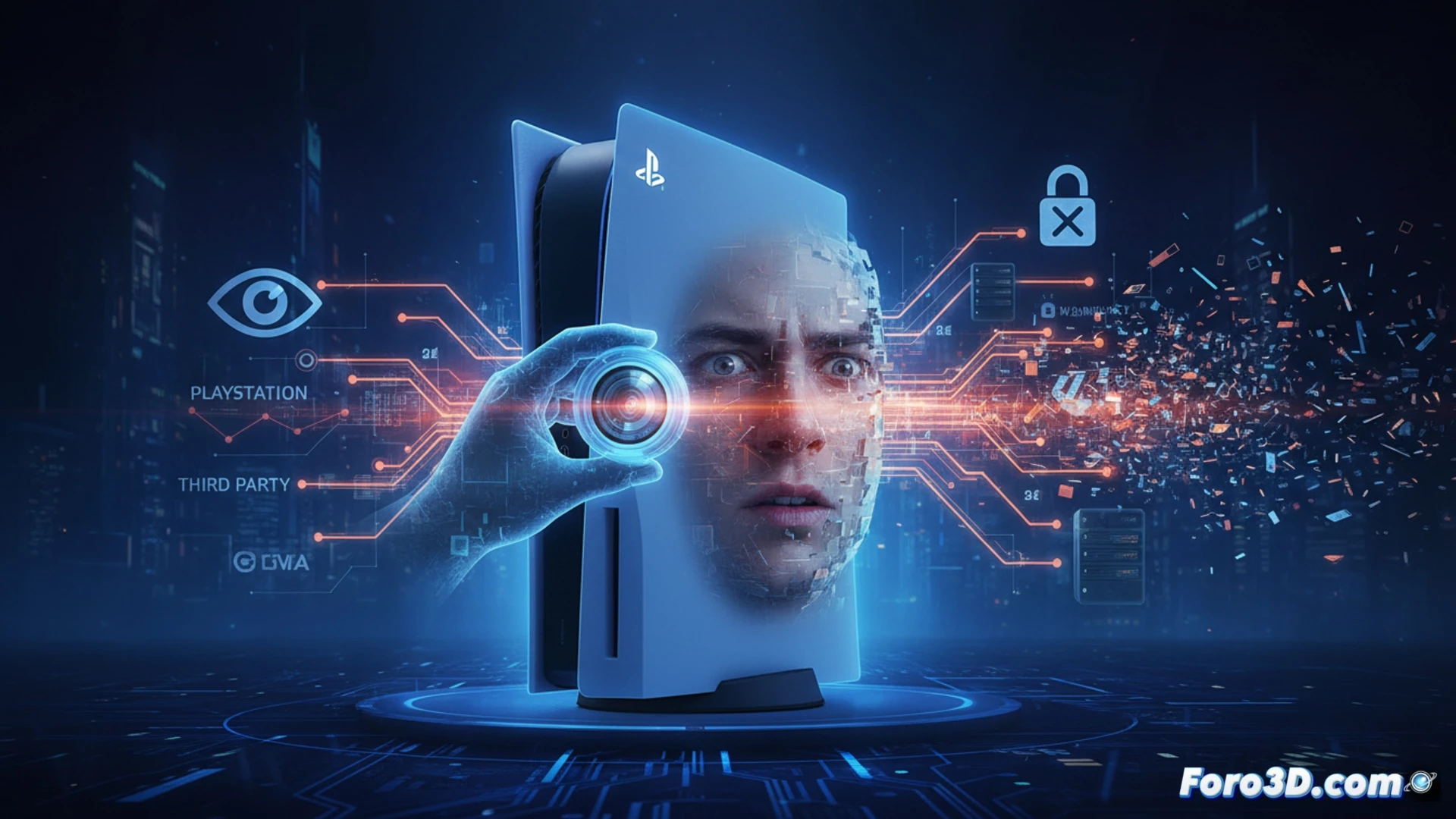
PlayStation Network now requires you to scan your face or submit your ID if you want to talk to friends on the console. The official excuse is child protection, a measure that sounds good in headlines but hides a fairly serious data exchange. While politicians applaud, the fine print is already paving the way to share your biometrics with third parties. If you don't accept, you're left without online access.
Technical analysis: how biometric scanning works on PSN 🎮
The system captures your face using the console's camera and converts it into a biometric template that is stored on Sony's servers. According to their privacy policy, this data can be shared with affiliated companies, service providers, and, in certain cases, government authorities. There is no local encryption or user control over the deletion of that information. ID verification is no safer either: you send a digital copy that is also recorded. All in the name of child safety.
Child protection or the best bargain for their database 🔐
Sure, because the best way to protect children is for Sony to store your face in a cloud that has had data leaks before. And while politicians congratulate themselves for not having to legislate, you wonder if your gaming selfie will end up in some marketing study. The funniest part is that all of this is voluntary: if you don't like it, you can always play on a PlayStation 2, which at least only asked for a memory card. Progress, they say.