Scientists achieved a singular discovery: they recovered yeast from the intestine of Ötzi the Iceman, a human who lived over 5,000 years ago. They used it to bake bread, revealing an intestinal bacterium that is now almost extinct. This suggests that our modern diet has profoundly altered the gut flora, distancing us from ancient microbes that may have been key to optimal digestion.
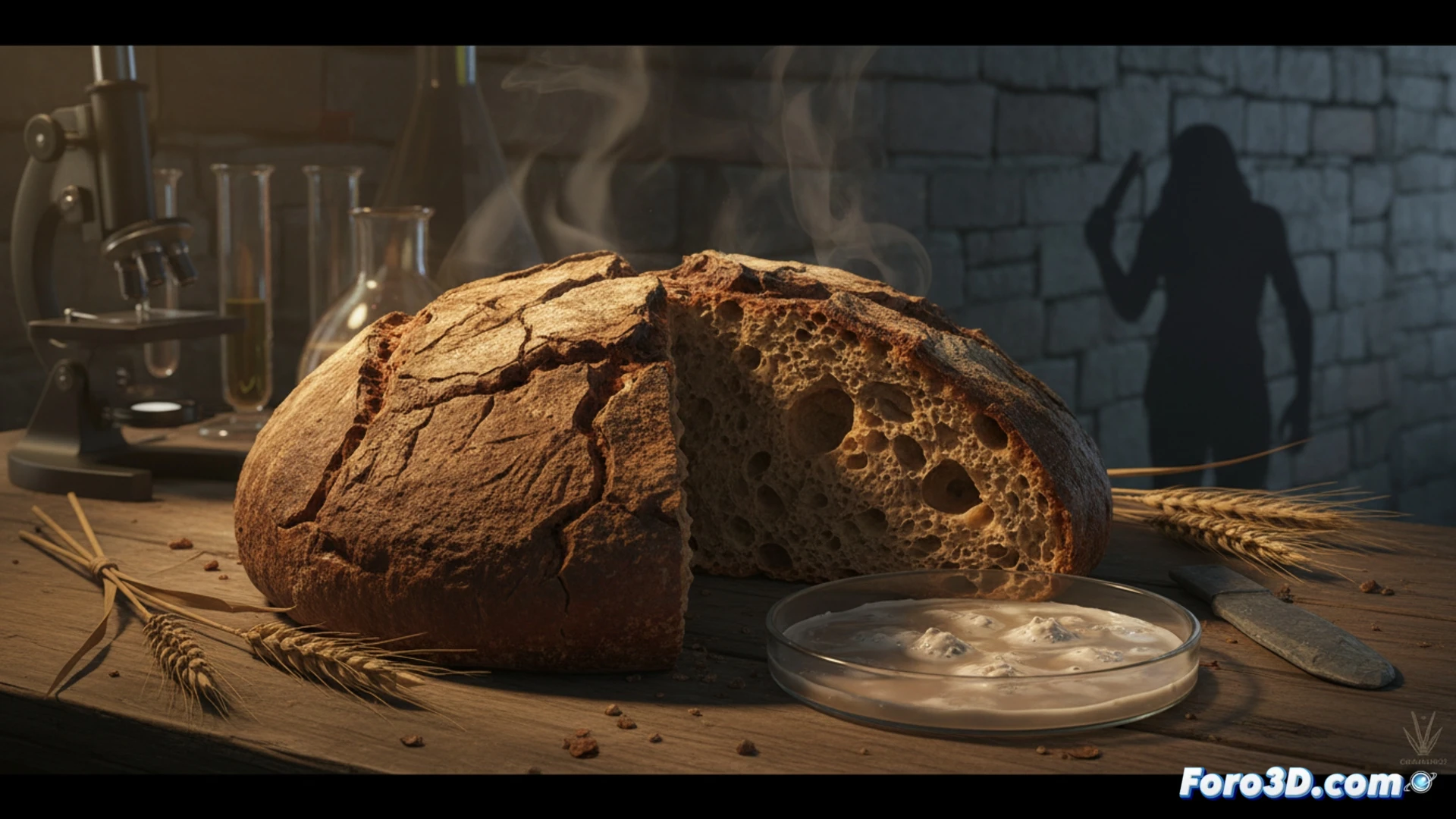
Genomic analysis of the ancestral yeast and its reactivation 🧬
The microbiology team extracted DNA from the intestinal sample, identifying a strain of Saccharomyces cerevisiae with genes for resistance to plant compounds. After cultivating it in the lab, they verified its fermentative viability. The yeast showed tolerance to acidic conditions and produced volatile compounds distinct from those of modern strains. This process allowed them to recreate a bread with an aroma and texture profile typical of the Copper Age, demonstrating that human microbiota has undergone significant genetic drift.
The bread that even your grandmother wouldn't dare to bake 🍞
So now you know: while you buy yeast at the supermarket, some scientists went for a 5,300-year-old sample preserved in a glacier. The result: a bread that probably tastes like history, like earth, and like this isn't what I ordered on Deliveroo. But hey, if your microbiota is sad from all that ultra-processed pizza, maybe you should consider a trip to the past. Though it might be easier to eat more fiber and let the dead rest in peace.