A team from the universities of Zurich has developed microrobots that combine stem cells and nanoparticles to treat spinal cord injuries. In animal tests, these devices guided the cells to the damaged tissue and applied magnetic fields to regenerate nerves, improving mobility. For the public, this represents a potential advance in therapies against paralysis, without the need for invasive electrodes.
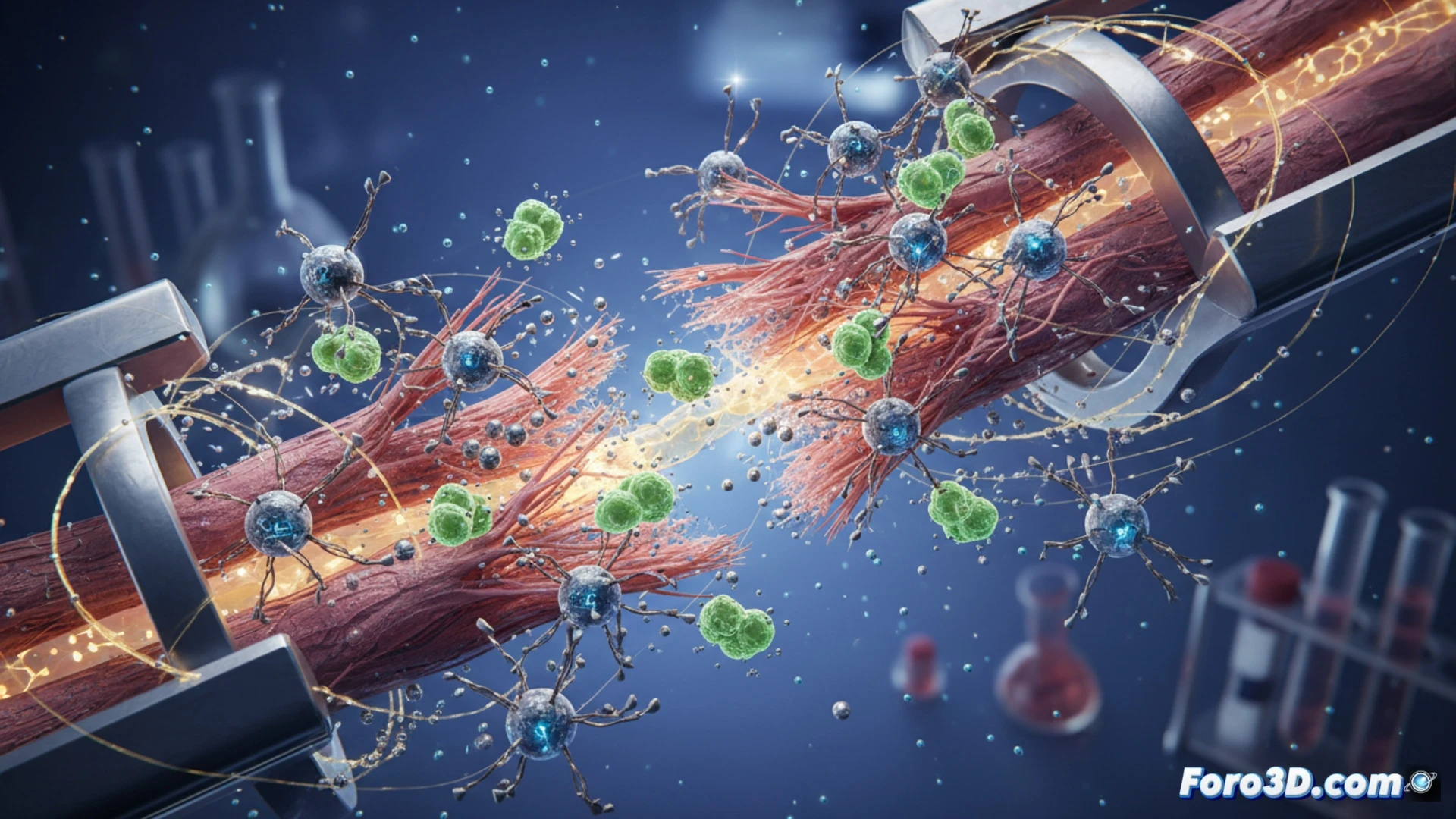
How magnetic cellular robots work 🧲
The microrobots consist of human stem cells coated with magnetic nanoparticles. When injected, an external magnetic field precisely directs them toward the spinal injury. Once there, another magnetic field activates the nanoparticles, stimulating neuron regeneration and the formation of new connections. In rats with paralysis, the treatment enabled them to partially walk again. The researchers point out that, although validation in humans is lacking, the technique avoids complex surgeries and could be adapted to other nervous system injuries.
Goodbye to the excuse that the fridge magnet is useless 🧿
Now it turns out that magnets are not just for holding the shopping list or for losing keys on the refrigerator door. These scientists have managed to make stem cells travel through the body like toy trains, all thanks to magnetic fields. The next thing will be selling a spinal repair kit at the supermarket, between the decorative magnets and the coasters. Meanwhile, those of us with back problems can only hope that science doesn't lose its magnetic north.