The oldest women's homeless shelter in London, the Marylebone Project, will close in September. The cost crisis, exacerbated by inflation, has been the official excuse. However, behind this decision lies a clear pattern: while aid to the most vulnerable is being cut, British military spending continues to grow. Beds disappear, but the politicians who vote on budgets continue to collect million-dollar allowances.
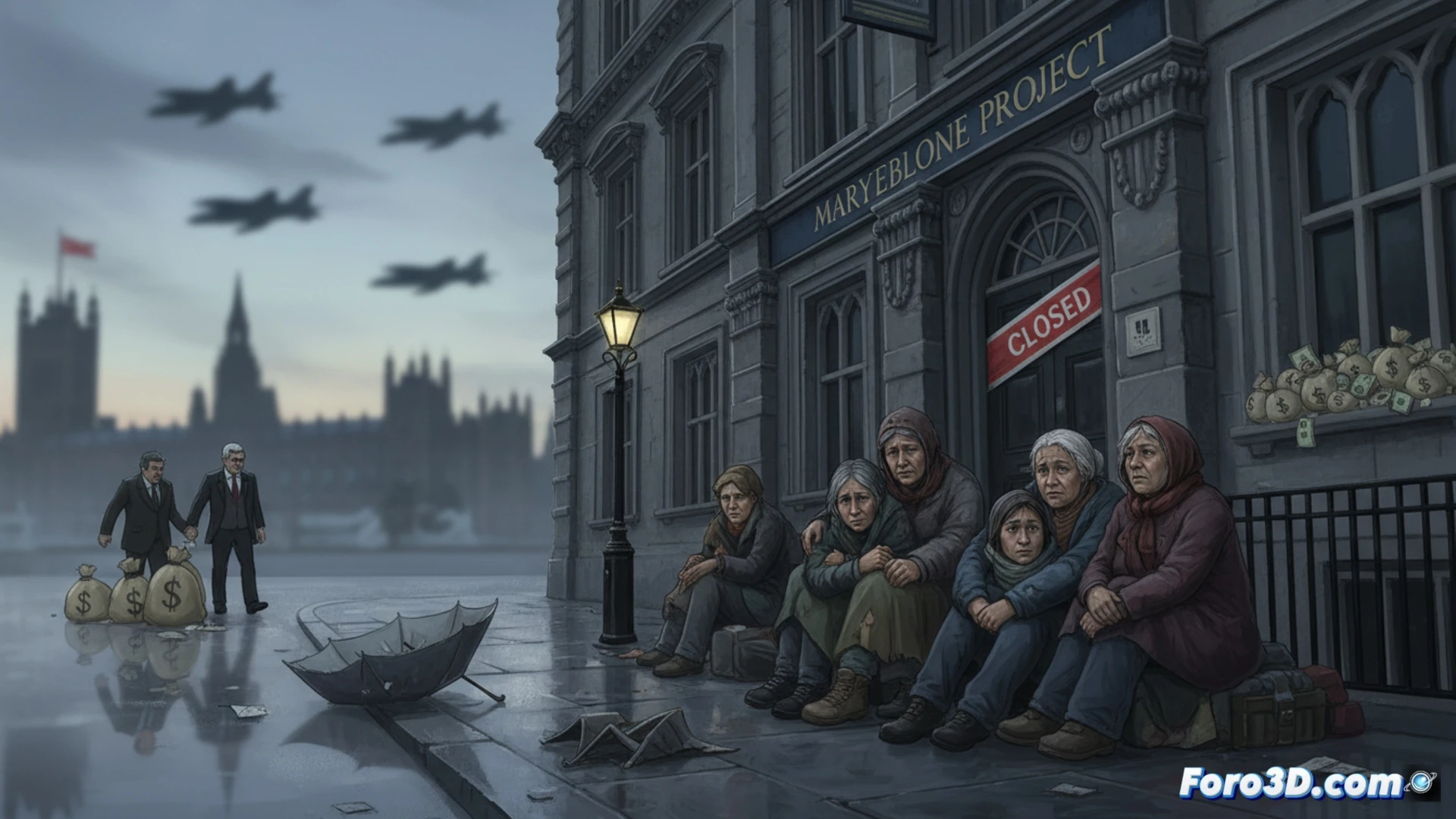
The social technology that never arrives: algorithms for empty beds 🏚️
While the Marylebone Project closes, municipal offices are designing apps to manage shelters with artificial intelligence. Geolocation systems and big data promise to optimize resources, but the reality is that technology does not create beds out of thin air. Without public investment, a bed allocation platform is like a restaurant map in a famine zone. The problem is not technical, it is political: there is a lack of funds, not code.
The final trick: closing shelters and raising MPs' salaries 💷
The solution to the crisis of homeless women is simple: close the oldest shelter and let MPs raise their allowances. That way, while some lose their bed, others can afford a five-star hotel in Westminster. After all, it is always easier to kick the poor off the streets than to kick politicians off the budget. Next time you see a homeless person, remember: it is not the economy, it is the priorities.