Toyota has decided to cancel production of the Lexus LF-ZC, a promising electric car that incorporated advances such as gigacasting and next-generation systems. However, Vice President Hiroki Nakajima confirmed that these innovations will not be lost. The company plans to transfer all that development to future mass-production electric models, which could result in more efficient vehicles with reduced manufacturing costs for the general public.
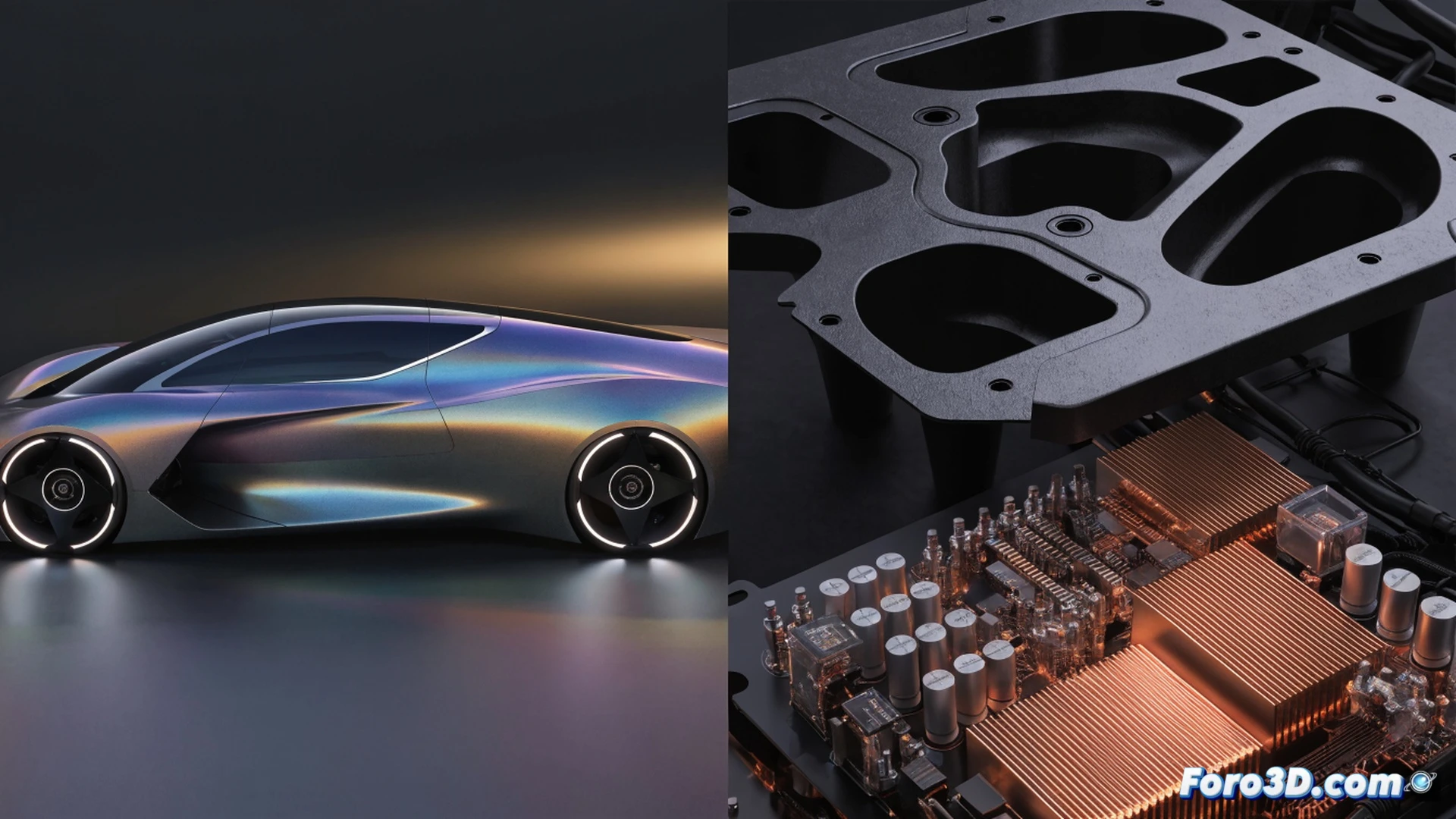
Gigacasting and advanced systems that will lower costs 🚗
The key to this change of plans lies in gigacasting technology, a process that allows large body parts to be cast in a single operation, reducing the number of components and simplifying assembly. This is complemented by thermal management systems and batteries with higher energy density. Nakajima indicated that these solutions, originally designed for the LF-ZC, will now be integrated into a modular platform. The goal is clear: to manufacture cheaper and faster-to-produce electric cars, directly competing with the prices of combustion models.
The car that died so others could live (cheaper) ⚡
So the Lexus LF-ZC has become Toyota's technological martyr. It died so that other models, perhaps less spectacular but more affordable, could be born with its standard features. It's as if the car of your dreams sacrificed itself so that your brother-in-law's car costs half as much. In the end, the buyer comes out ahead: they will pay less for a car that carries within it the promise of a vehicle that never existed. A happy ending for a cancellation.