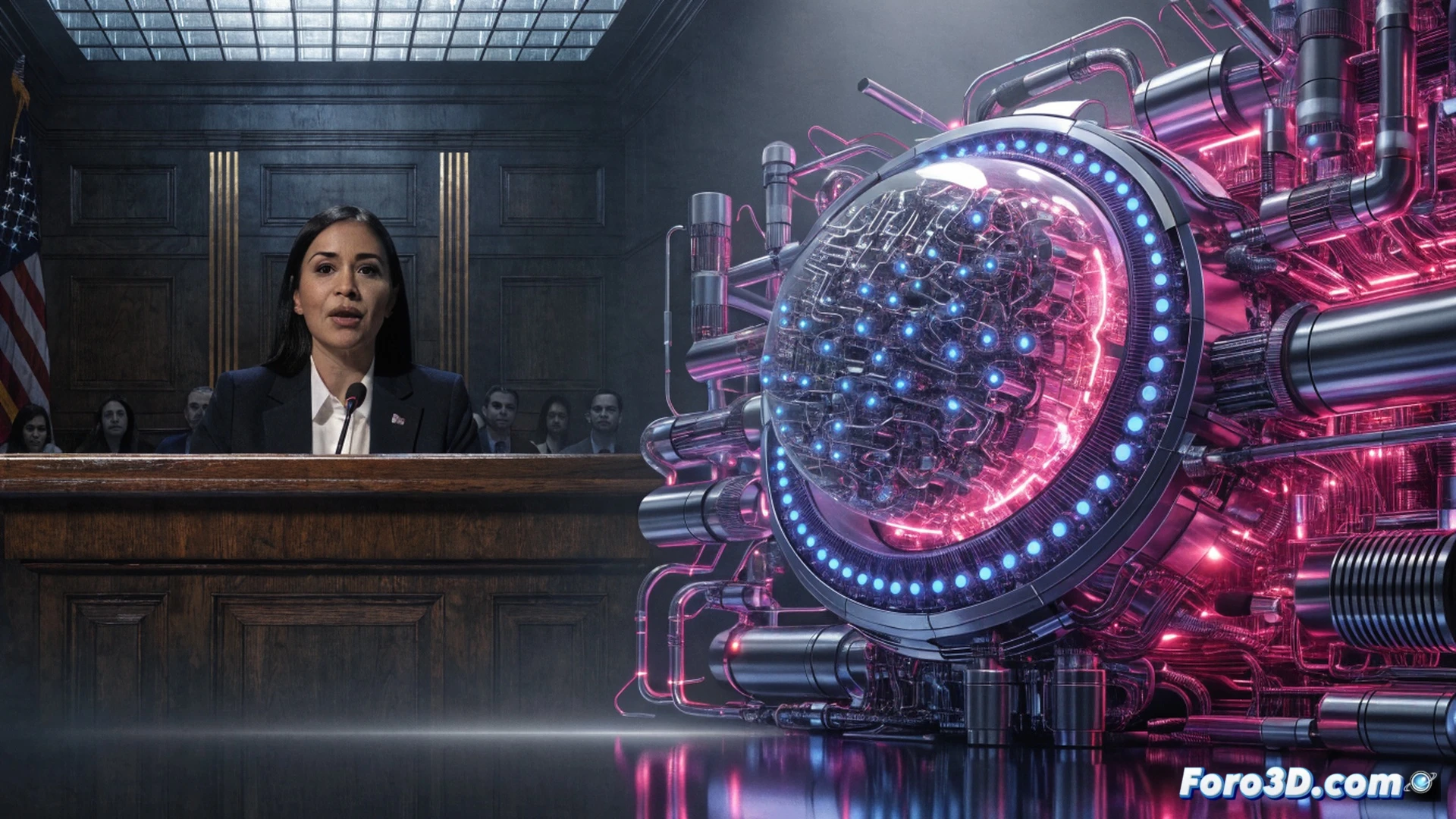
Congresswoman Anna Paulina Luna clarified that her team did not use artificial intelligence to draft a defense amendment, after a leaked summary mentioned Claude. According to Luna, AI was only used to correct spelling and grammar in the summary, not in the legal text. The incident raises questions about transparency in the drafting of laws that affect military spending and the public budget.
The technical dilemma: correcting is not the same as creating 🤖
The distinction between using AI to draft legal content and using it as a spell checker is key. Tools like Claude can generate coherent text, but their use in official documents without human supervision introduces risks of bias or errors. In this case, the leaked summary mentioned Claude, suggesting interaction with the model. Without clear rules, any use of AI in Congress, even for grammar, can erode public trust in the authorship and control of laws.
AI just came to fix the spelling, boss 📝
So AI just came to fix the accents and commas in the summary, like a writing assistant that never asked for an opinion on the missiles. But of course, when the summary mentions Claude, people think the software wrote the law while congressmen watched memes. In the end, Congress needs clear rules: that AI does not become the intern drafting military budgets while no one is watching.