SideFX has introduced Houdini 22 with Gaussian Splats, a technology that promises to streamline the creation and animation of 3D objects for video games and visual effects. The tool optimizes image processing and character animation. However, behind the announcement lies a familiar dynamic: access to these cutting-edge features remains reserved for studios with budgets for expensive licenses or subscriptions.
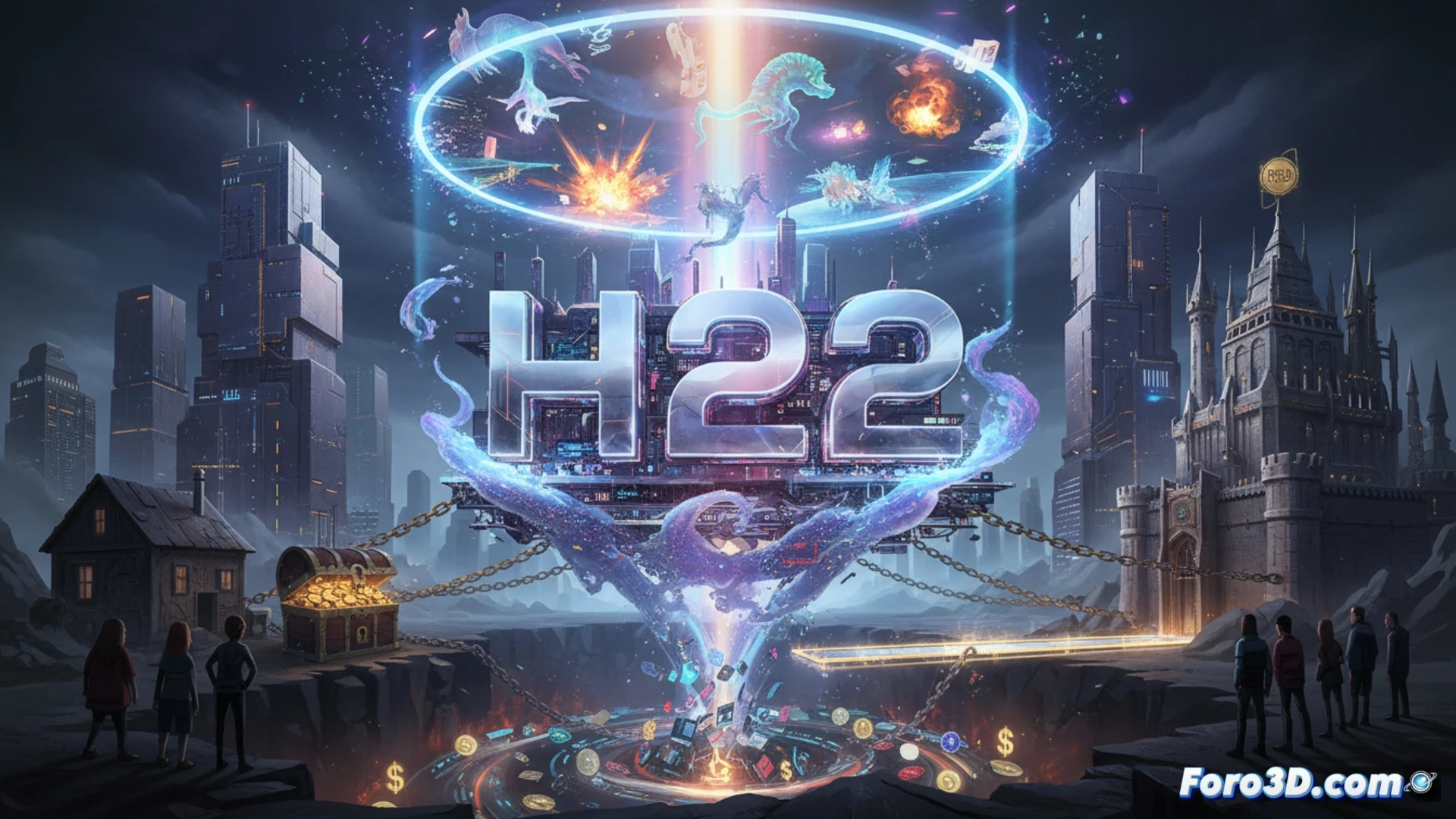
Gaussian Splats: More Resolution, Less Accessibility 🎭
Gaussian Splats allow complex scenes to be rendered using point clouds with color and opacity attributes, reducing rendering times in animation and VFX. Integration into Houdini 22 facilitates their use in AAA production pipelines. However, the cost of SideFX commercial licenses remains prohibitive for independent developers or small studios, limiting the real reach of this technology to large production companies that already dominate the market.
For the Audience, the Same Show but with More Expensive Popcorn 🍿
The industry promises better digital entertainment, but the average citizen will see little change on their screen. However, they will notice the increase in the price of movie tickets and games. Because in the end, Gaussian Splats won't make the character jump higher or improve the script; they will only serve to justify massive budgets for studios while the public foots the bill and continues to see the same old bugs.