Graphyte has developed a method for durably trapping carbon. Their process, called Carbon Casting, takes agricultural waste, dries it, and compresses it into solid blocks. These blocks are buried in sealed pits, preventing CO₂ from returning to the atmosphere for centuries. It is a simple solution aiming to compete with other capture technologies.
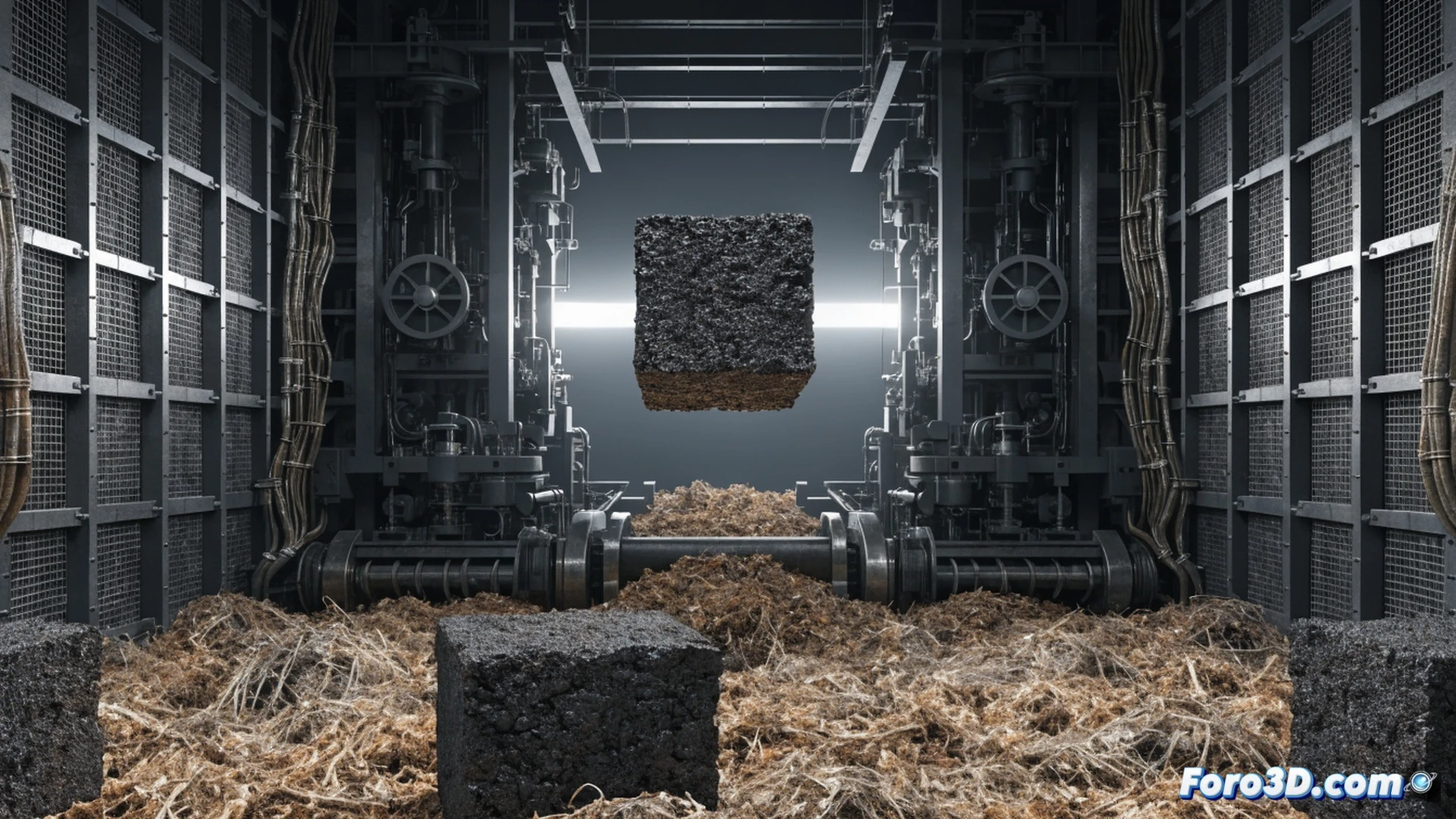
How the Carbon Casting process works 🌱
The process starts with biomass such as corn stalks or wood scraps. It is dried at a low temperature to remove moisture and prevent decomposition. Then, a hydraulic press compresses it into dense blocks, similar to bricks. Each block is wrapped in a protective layer and buried in deep trenches. The goal is to isolate the carbon from oxygen and microorganisms. Graphyte claims its blocks can store carbon for over 100 years without degrading.
The business of burying trash with good press 🧱
So the solution is to compact leaves and stems, put them in a hole, and hope no one digs them up by mistake. It sounds like the task you did with garden leaves, but with more machinery and fewer complaints from neighbors. The good thing is it doesn't need complex chemical reactions. The bad: if someone builds a parking lot on top of the landfill, the carbon could party out. Meanwhile, the planet breathes a little easier.