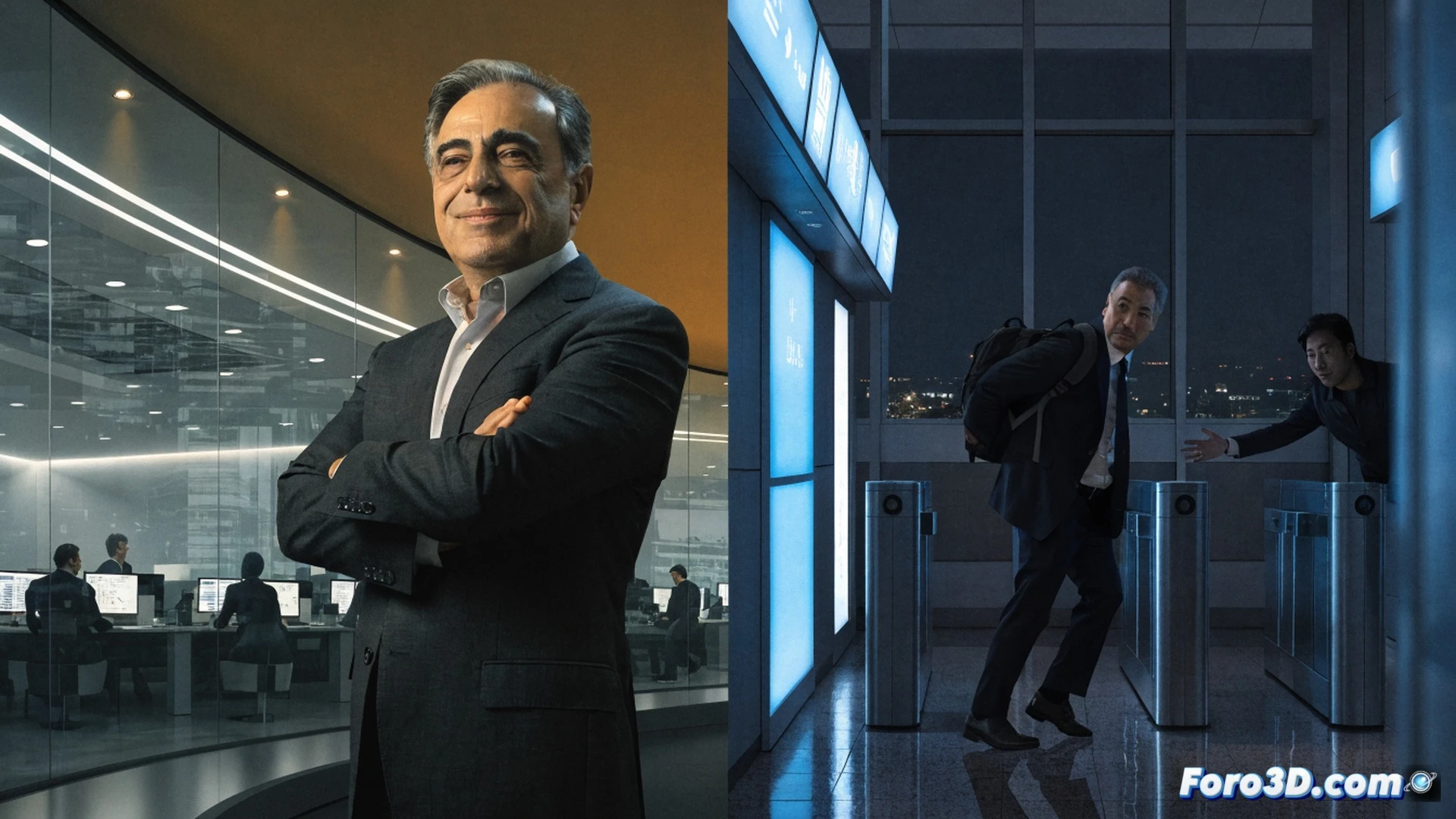
Carlos Ghosn, the former Nissan director who fled Japan in 2019 hidden in an audio equipment case, is back in the news. According to his own statements, investors are so upset with the company's current poor results that they are calling for his return. Ghosn led the company for nearly 20 years, and his figure sparks debate about Nissan's current management. For the average citizen, this crisis could translate into job cuts or price increases at dealerships.
The engineering behind the crisis: failures in the electric strategy ⚡
While Nissan's executives try to steer the ship back on course, the technical reality is stubborn. The company was a pioneer with the Leaf, an electric vehicle that now feels obsolete compared to Chinese and European competition. The CMF-EV platform, although modern, has not achieved the expected traction. Furthermore, software integration in models like the Ariya has suffered delays and bugs that have cooled sales. Without a clear roadmap in electrification and with a supply chain still dependent on combustion, Nissan risks falling behind in a fast-moving market.
The briefcase of salvation: logistical options for the return 🧳
If investors manage to bring Ghosn back, the logistical problem will be immense. Japan still has a warrant out for his arrest, so his landing in Tokyo would hardly be in first class. Perhaps he could repeat the briefcase trick, but this time with a reclining seat and wifi. Another option would be to telework from Lebanon, although video calls with the board from a terrace overlooking the Mediterranean would not exactly convey urgency. At least, car prices would go up to pay for the trip.