The FIA and Formula 1 have confirmed adjustments to the engine regulations for 2027 and 2028. The balance between the combustion engine and the electric part will shift from a 50/50 split to a 60/40. This modification aims to give more power to the thermal engine, improving energy management in corners and generating more dynamic races.
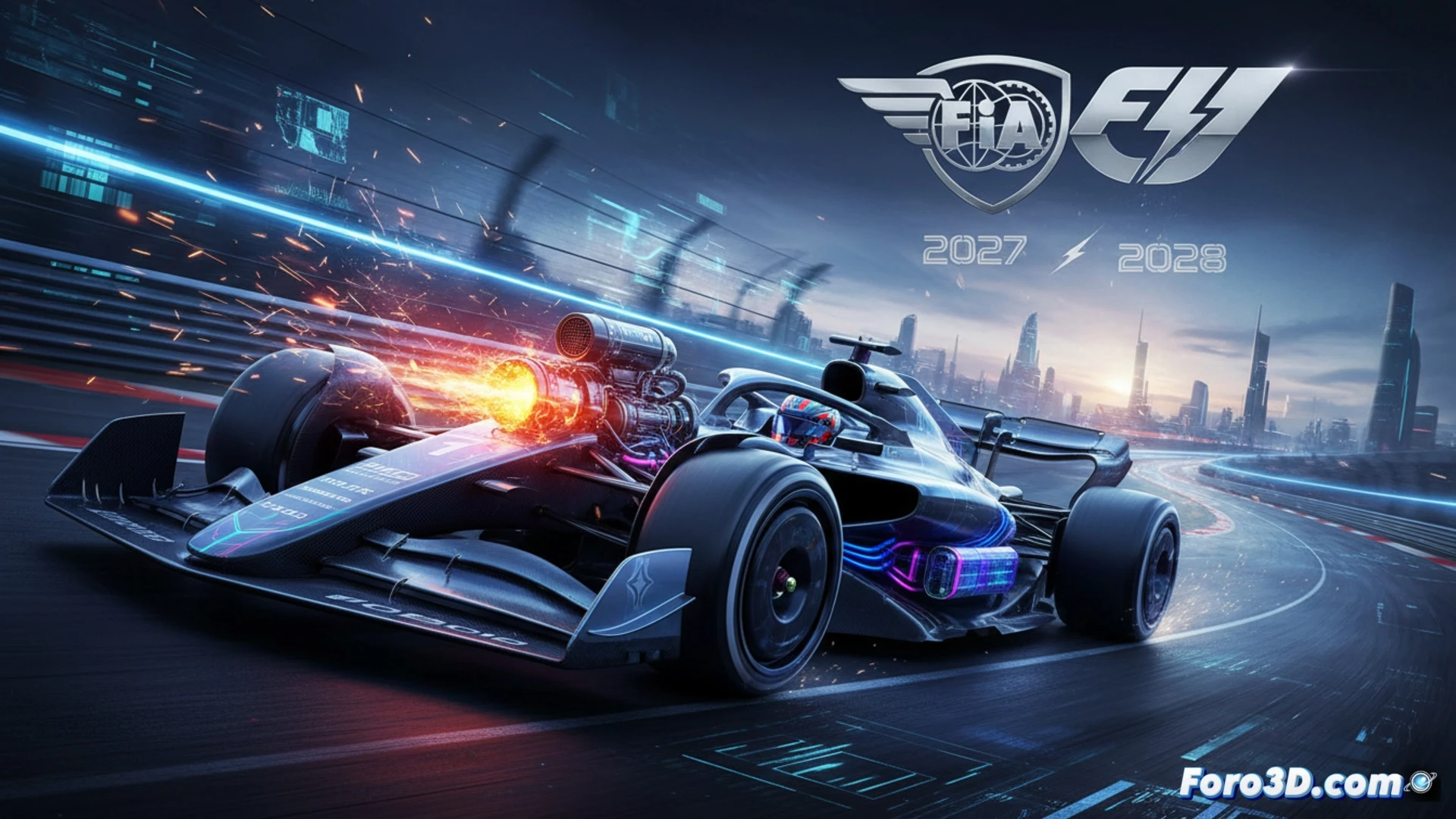
More combustion, less battery for better performance 🏎️
The change means that the power of the internal combustion engine will increase by 10% compared to the current split. Engineers will need to redesign energy recovery strategies, prioritizing delivery during acceleration phases. It is expected that drivers can attack more in slow corners without relying so much on battery charge, which could reduce the performance difference between qualifying and race laps.
Goodbye to the saving mode, welcome the roar 🔊
Now that the FIA has said it wants more thermal engine, engineers are rubbing their hands together. Less time thinking about how to manage the battery and more about how to make the V6 sound like a V10. Or at least not like a vacuum cleaner. Purists applaud, although circuit neighbors are already looking for earplugs. After all, if the races are going to be more dynamic, at least they should be heard.