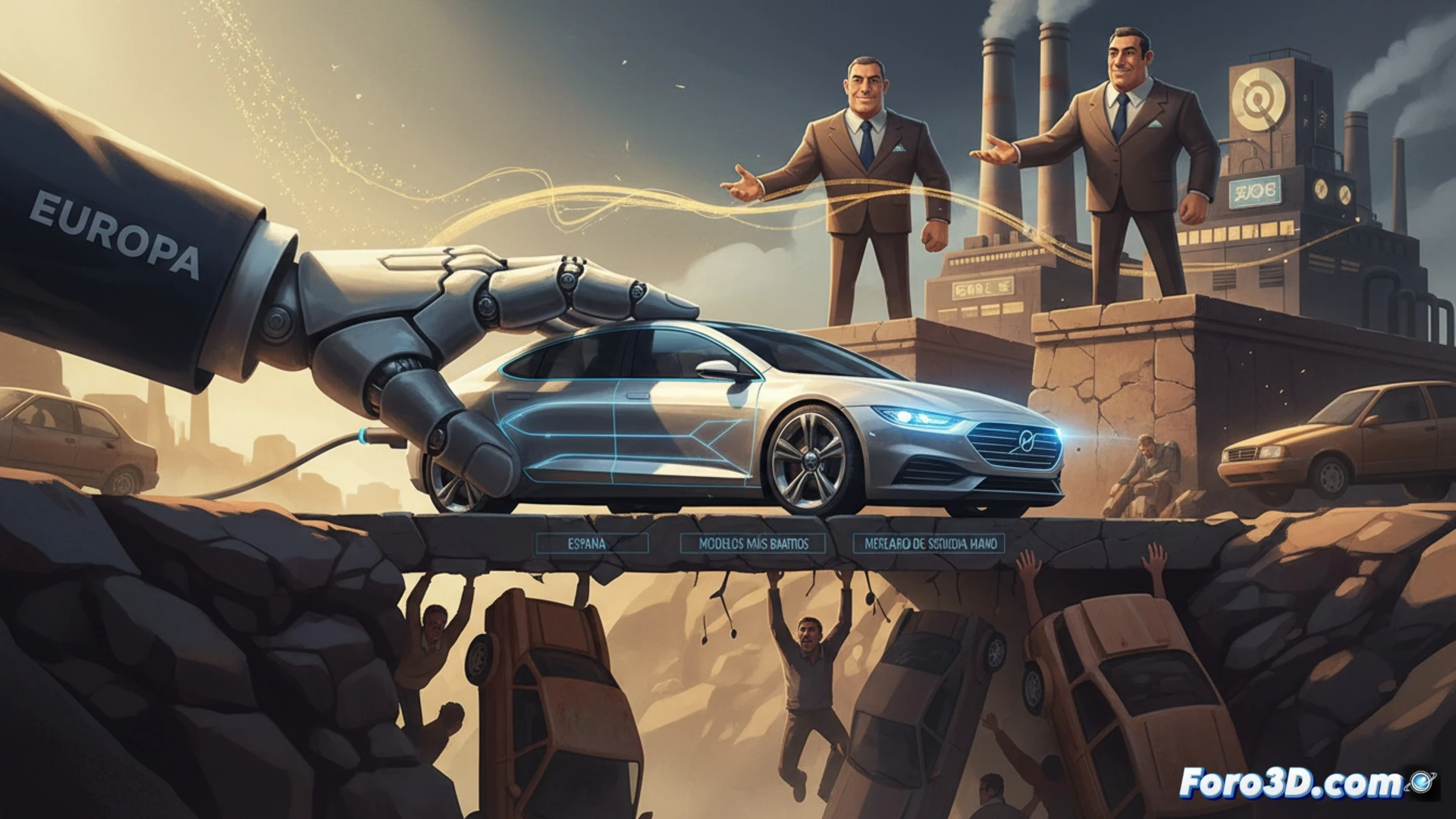
Spain, France, and five other countries have pressured the EU to keep the 2035 deadline for ending combustion engine cars firmly in place. The official excuse is to reduce dependence on fossil fuels and strengthen the local industry. However, the real interest is to protect the major manufacturers who have already invested in electric vehicles, eliminating competition from cheaper combustion models and the second-hand market.
Charging infrastructure: the promise that never reaches neighborhoods 🔋
By 2035, the charging network will not be operational in rural areas or in cities without private garages. Installing a charging point in an old apartment block requires costly renovations that few homeowners' associations take on. Meanwhile, European manufacturers are pushing to prevent plug-in hybrids from being allowed, as they directly compete with their pure electric platforms. The result is a captive market where the average citizen will not be able to afford a new electric car and will see even used combustion cars become more expensive.
Goodbye gasoline, hello debt: the perfect plan for your wallet 💸
The move is so subtle it almost seems like magic: ban what you can't afford to force you to buy what doesn't yet exist. European manufacturers, who arrived late to the hybrid party, have decided it's better to cancel it. This way, they also get rid of Asian competition and cheap second-hand cars. The citizen, meanwhile, will be able to choose between an electric car that doesn't fit on their street or a used combustion car with a gold-plated price. All in the name of saving the planet from the cars that people can actually afford.