The race for batteries with greater capacity has a new serious contender. Enovix has presented its 100% silicon anode technology, leaving conventional graphite behind. The promise is clear: 30% more energy density, which translates into devices that last longer away from the charger without increasing battery size.
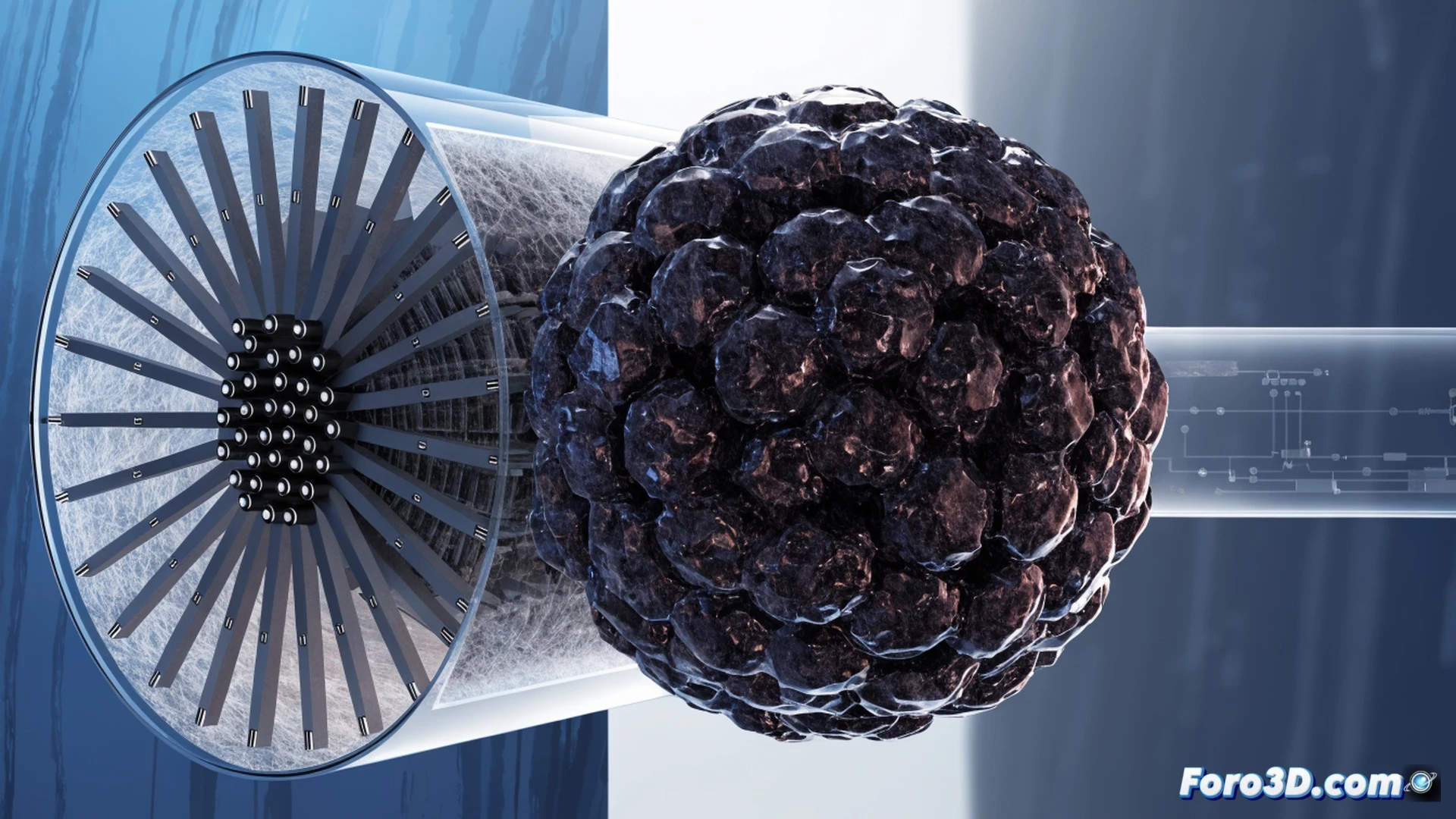
How the pure silicon anode works in Enovix batteries 🔋
Pure silicon has a theoretical capacity ten times greater than graphite for storing lithium ions. The historical problem was that it expands up to 300% during charging, breaking the battery. Enovix solves this with its constrained electrode structure, using a steel substrate and a patented manufacturing process. The result is a cell that maintains its structural integrity while offering that density gain without compromising the charge cycle lifespan.
The silicon drama: when swelling is no joke 😅
It turns out silicon has an image problem: it swells like a balloon at a children's party every time you charge it. For years, engineers looked at it fondly while their prototypes exploded in the lab. Enovix claims to have tamed the beast by putting the anode in a steel straitjacket. Let's hope it doesn't get loose, because a battery that inflates while charging is the kind of surprise nobody wants in their pants pocket.