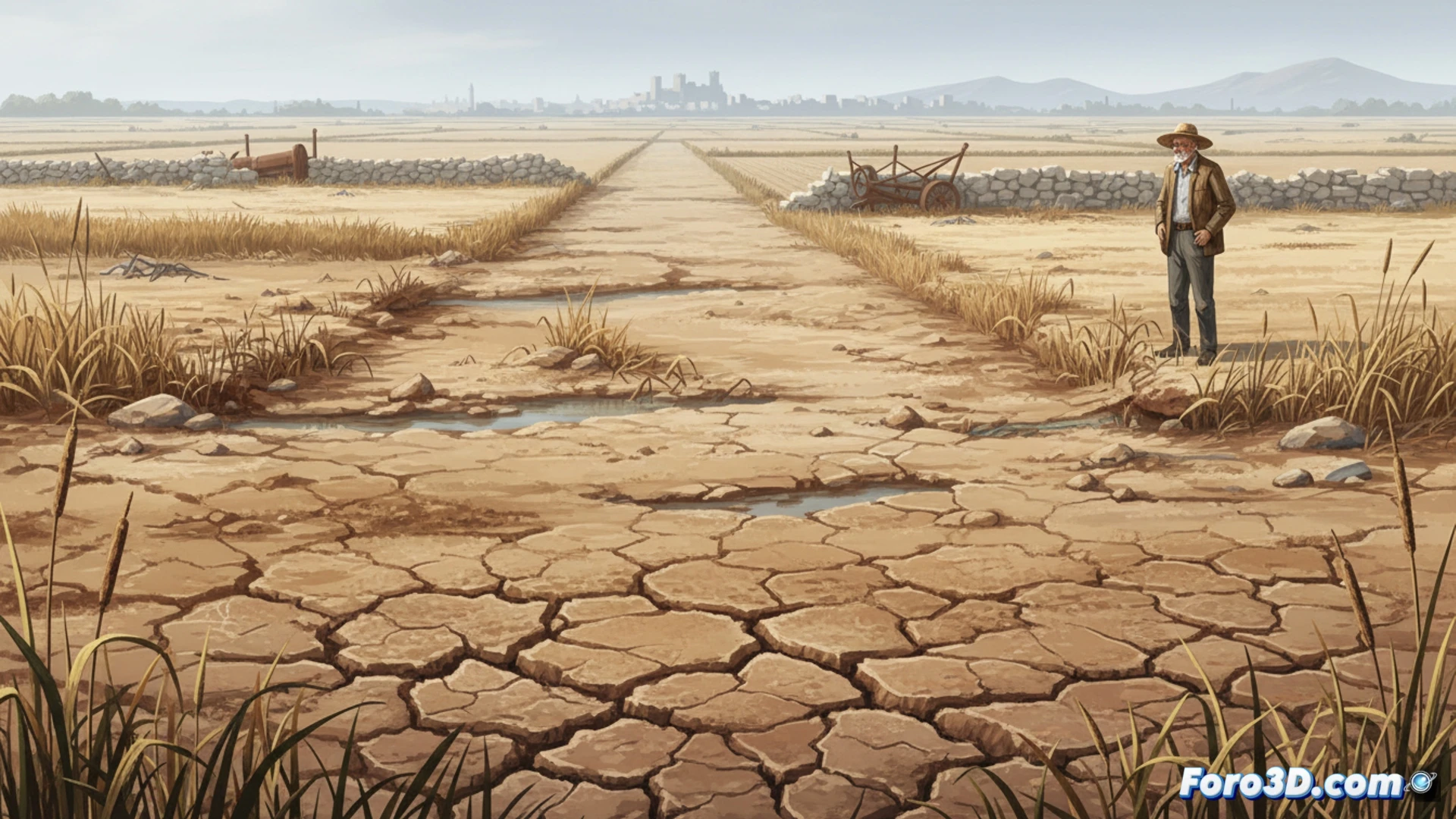
The cultivable area of the northern marsh of Sagunt, Benavites, and Quartell has fallen to historic lows. In just a few years, it has gone from 4,000 hanegadas in production to only 700. Soaring costs, low fruit prices, and the lack of generational renewal have turned the area into a landscape of abandoned fields.
Technology and irrigation: solutions that no one applies in time 🌱
The modernization of irrigation and the implementation of crop monitoring systems could reduce costs by 30% on these farms. Moisture sensors, automated drip irrigation, and drones to detect pests are available tools, but their initial cost exceeds 10,000 euros per hectare. Without direct aid or cooperatives to share the investment, farmers choose not to plant. Technology is not lacking; what is lacking is someone who can afford it.
The countryside weeps and the supermarket charges a gold price for oranges 🍊
While the farmer sells oranges at 15 cents per kilo, in the big city the same piece is paid at 2 euros. Something does not add up, unless transportation, plastic, and the supermarket logo are worth more than the farmer's sweat. The politicians' magic solution: plant more greenhouse plastic or ask young people to return to the countryside. Sure, and while they're at it, pay the electricity bill with mandarins.