The sound director of Assassin's Creed Black Flag Resynced has addressed fears about artificial intelligence. His message is clear: foley, that artisanal technique of creating sound effects by striking objects, will not be replaced. AI is emerging as a complementary tool, not a substitute for human precision. For the average person, this confirms that manual creative trades retain their value.
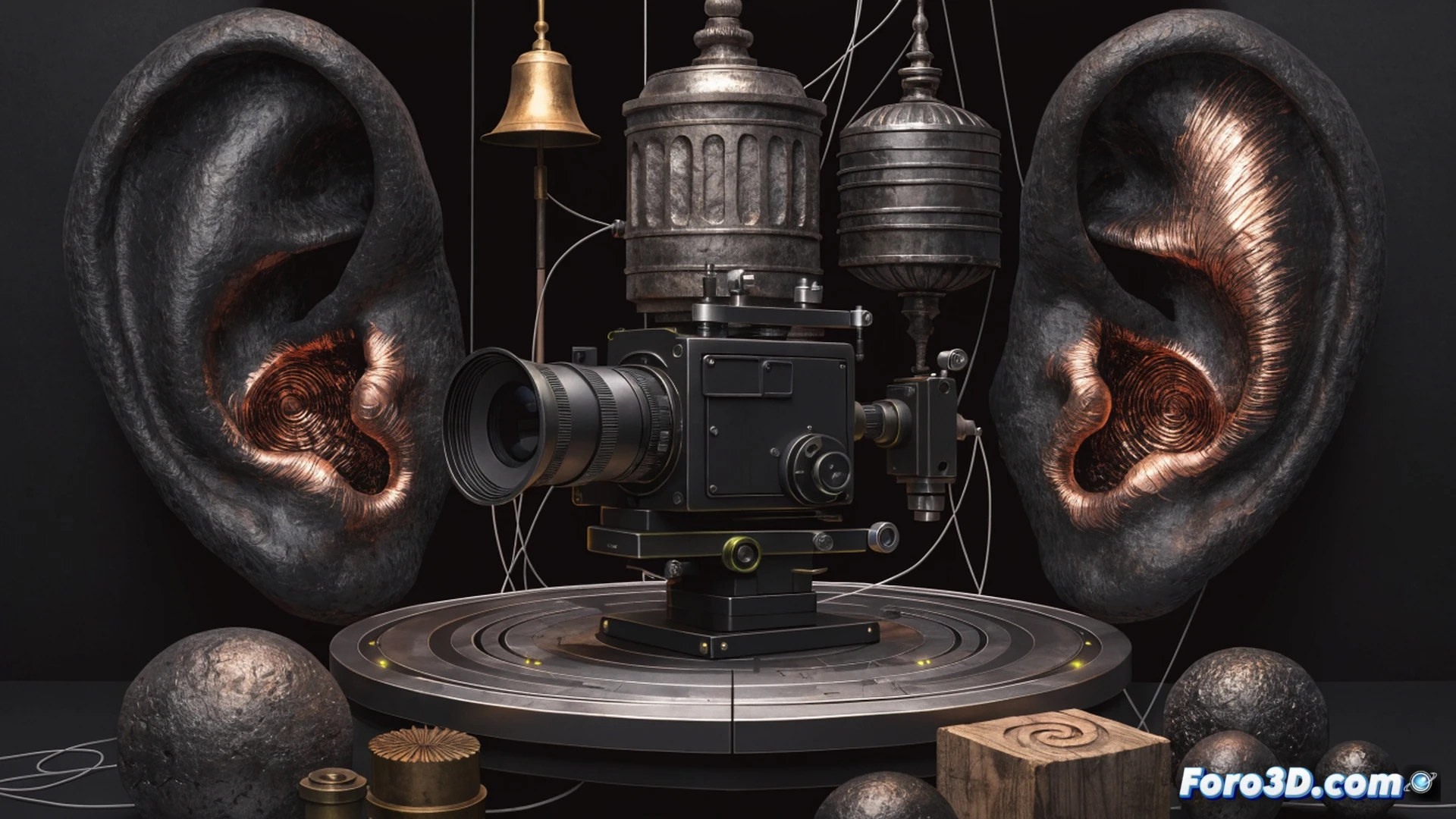
Digital tool, artisanal precision 🎧
The defense of foley is based on its physical nature. While an AI can generate a catalog of footsteps on wood, it does not capture the nuance of an actor moving on a specific floor in a particular scene. The director explains that technology serves to streamline repetitive tasks, such as cleaning background noise. However, the art of synchronizing the rustle of a jacket or the strike of a sword requires an imagination and tempo that only a human being can provide.
Spoiler: AI doesn't know how to step on a branch 🌿
For now, AI has not learned to simulate the sound of a chicken bone crunching underfoot, at least not with the grace of a foley technician. While machines try to calculate the physics of a footstep, humans continue breaking celery and shaking coconuts with a skill that borders on the ridiculous. So, rest assured: if you hear a suspicious crunch in your game, there's likely a human on the other end, not a bored algorithm.