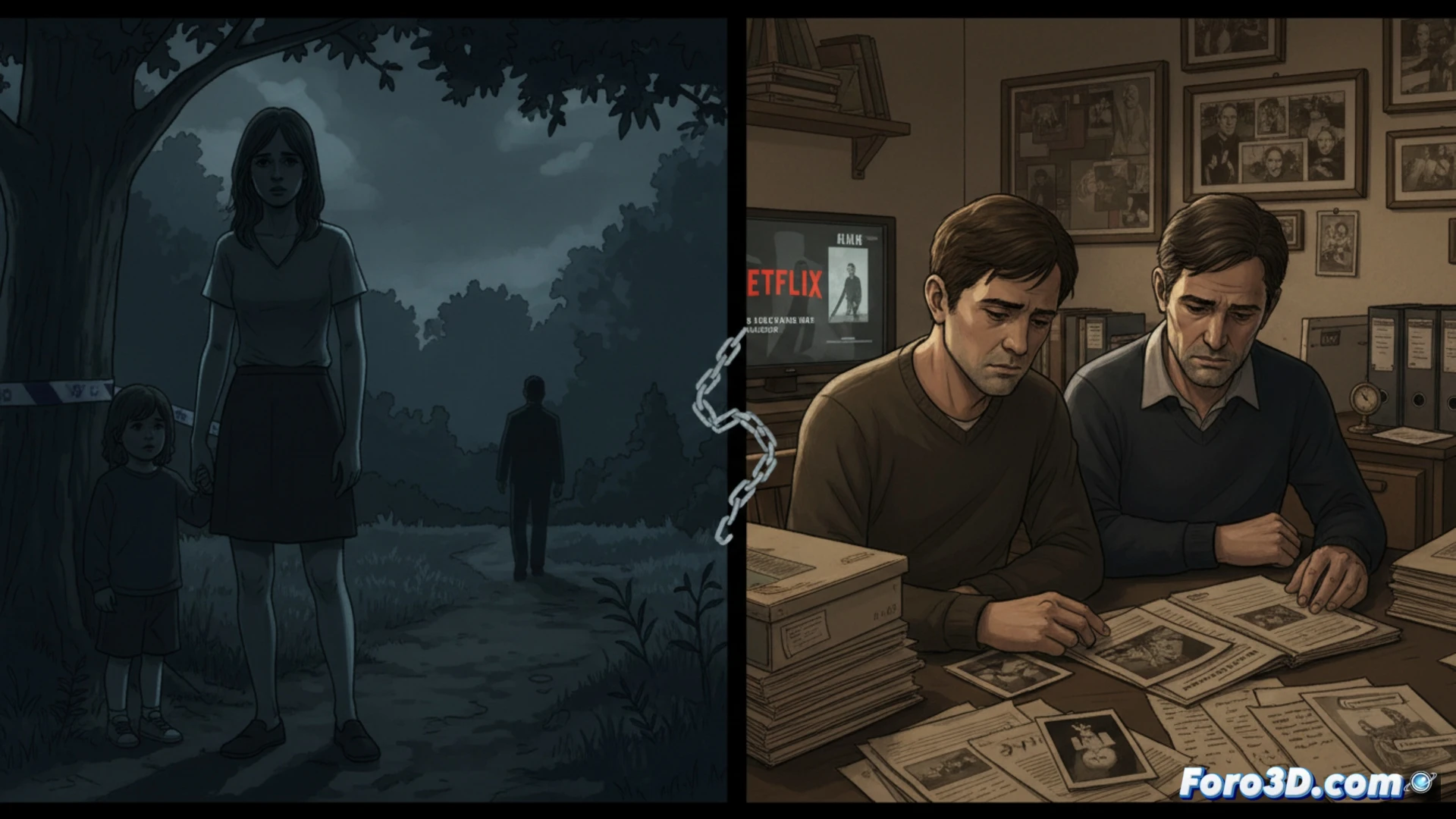
Netflix releases a series and documentary about the murder of Rachel Nickell in 1992. Her son Alex, who was two years old at the time and witnessed it, and his father André Hanscombe tell their story. The goal is to show the trauma and the police errors that allowed the killer Robert Napper to attack more women. Reliving the pain seeks to prevent future tragedies.
Genetic profiles and databases: the technology that was missing in 1992 🧬
In the 1990s, the British police did not use genetic databases like today. Robert Napper had already committed crimes, but his DNA profile was not in the system. Today, tools like CODIS allow cross-referencing crime scene samples with registered offenders. The lack of this technology in 1992 delayed the identification of the killer, who murdered other women before being caught. The lesson is clear: investment in forensic systems saves lives.
The star witness who couldn't speak (or order a coffee) ☕
The only witness to the crime was Alex, aged two. The police tried to get him to identify the suspect in a lineup using toys. Yes, as it sounds: a child who barely spoke had to identify a killer. To make matters worse, the main suspect, Colin Stagg, was harassed for a year by an undercover agent who tried to seduce him. In the end, the real culprit was in the next park over. Good thing we now have cameras and DNA, because the techniques back then seem straight out of an episode of The Simpsons.