Spain has 1,200 reservoirs and cannot build even one more due to environmental impact. In Fraga, Huesca, they are raising a dike to gain some capacity, but the real problem is not the lack of dams, but the mud accumulating at the bottom. This layer of sediment reduces available water and threatens restrictions and higher bills for citizens.
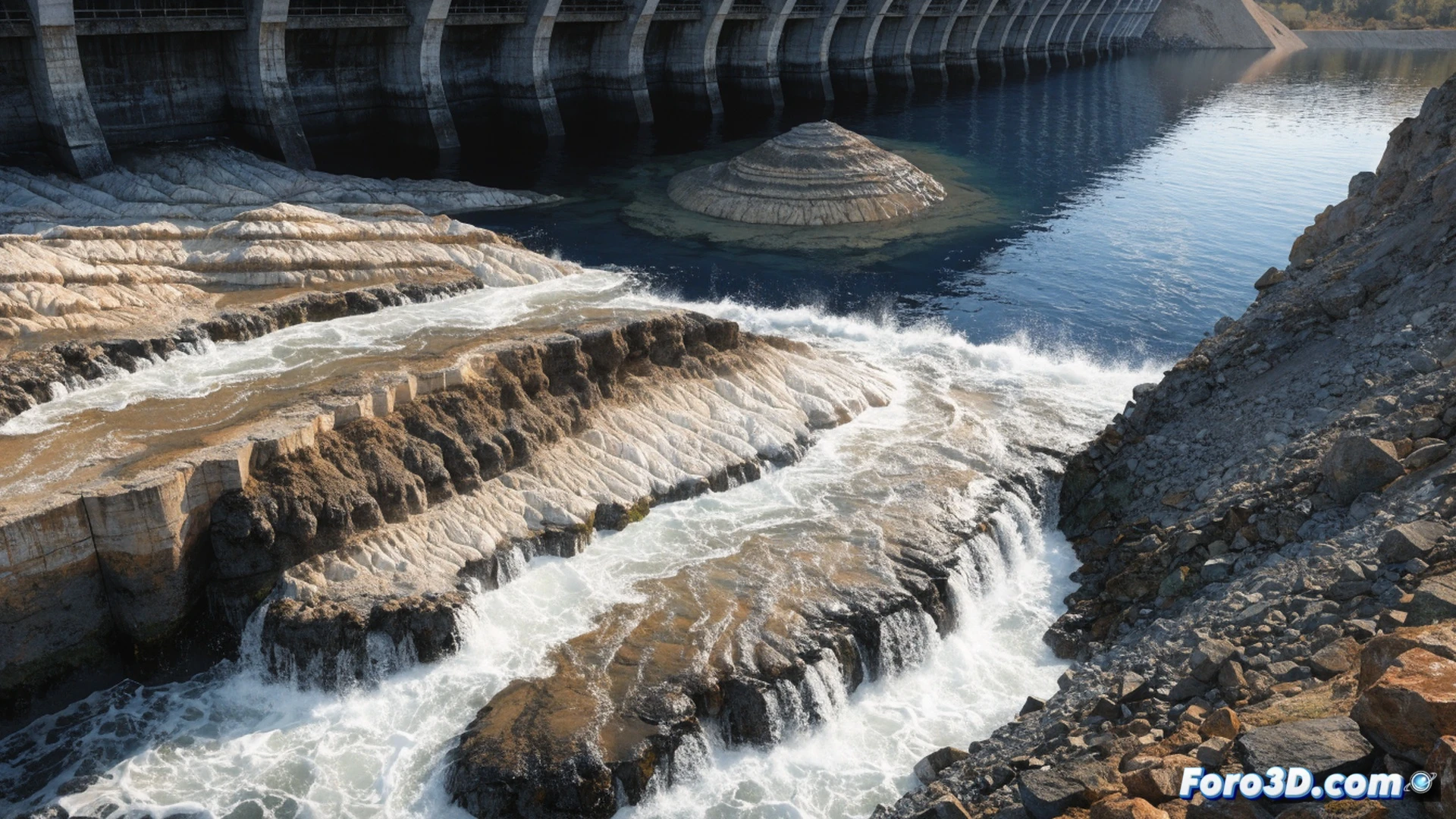
Raising old dams: the technical solution under debate 🌊
The technical alternative involves raising existing dams, i.e., increasing their height to recover the volume lost to sedimentation. The process entails reinforcing concrete structures, installing new gates, and managing the dredging of accumulated sludge. But it is not simple: each raising requires geological studies, environmental permits, and multi-million budgets. Furthermore, it generates debate between those who advocate for more capacity and those who warn of the impact on rivers. Meanwhile, the mud keeps winning.
Mud doesn't pay taxes, but it will 💸
While technicians discuss how to remove the sludge, citizens already envision the next water bill with a sediment surcharge. Perhaps the thing to do would be to add VAT to mud or create a municipal sludge tax. At the rate we are going, we will soon ask reservoirs to file income tax returns. The only sure thing is that, between bureaucracy and silt, water will be a constant conflict. And no, we cannot take out a loan from the mud.