Germany and France have ended the next-generation fighter jet project, a program valued at over 100 billion euros launched in 2017. The cause is not technical, but a power struggle between Dassault and Airbus over the industrial spoils. Each company wanted to lead the design and workload, and governments did not mediate because they prioritize local employment over cooperation.
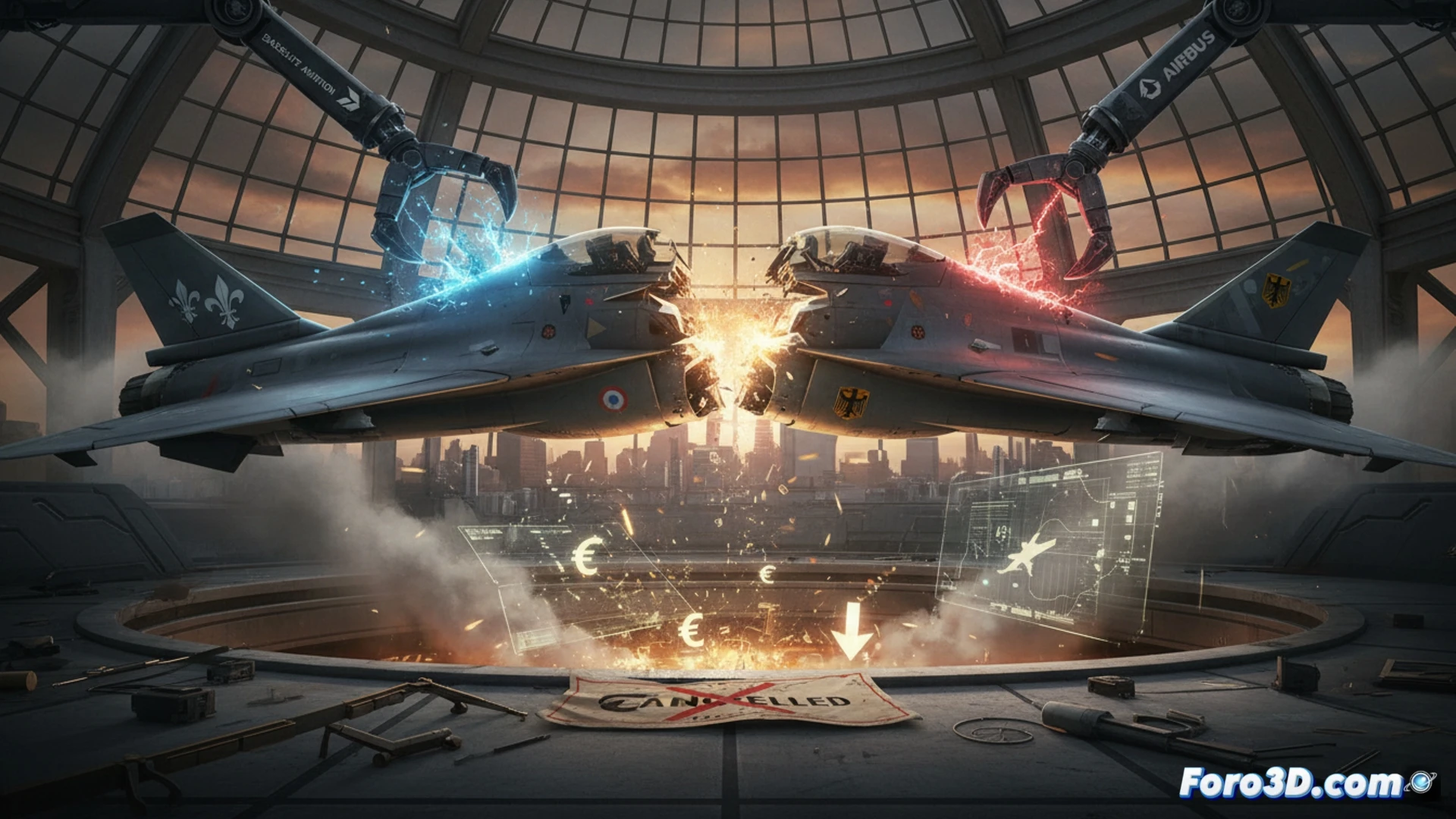
The fighter jet design crashed against task distribution 💥
Dassault, based in France, demanded total control over the aircraft's architecture, citing its experience with the Rafale. Airbus, from Germany, claimed a greater share in the development of the fuselage and combat systems. Negotiations stalled because neither side yielded an inch of their workload. The result is that the 100 billion euros were never actually allocated, but the cancellation announcement serves for both countries to now justify developing their own separate fighter jets, doubling the expense that European taxpayers will pay.
A united Europe: two fighters for the price of one (and a half) 💸
Now that the joint project has failed, France and Germany will launch their own combat aircraft programs. The European taxpayer will finance two military programs instead of one, while governments blame Dassault and Airbus to avoid responsibility. The moral is clear: when money is at stake, European cooperation vanishes. The European army remains a nice slogan for rallies, but in practice, everyone pulls in their own direction.