The carbon market has reached a new level of abstraction. Several brands are purchasing CO₂ credits generated by past volcanic eruptions to offset their current emissions. The logic is simple: if a volcano emitted carbon centuries ago, it can be accounted for as a modern sink. 3D advertisements show inactive craters absorbing industrial smoke, rewriting climate guilt as a visual accounting trick that separates physics from bookkeeping.
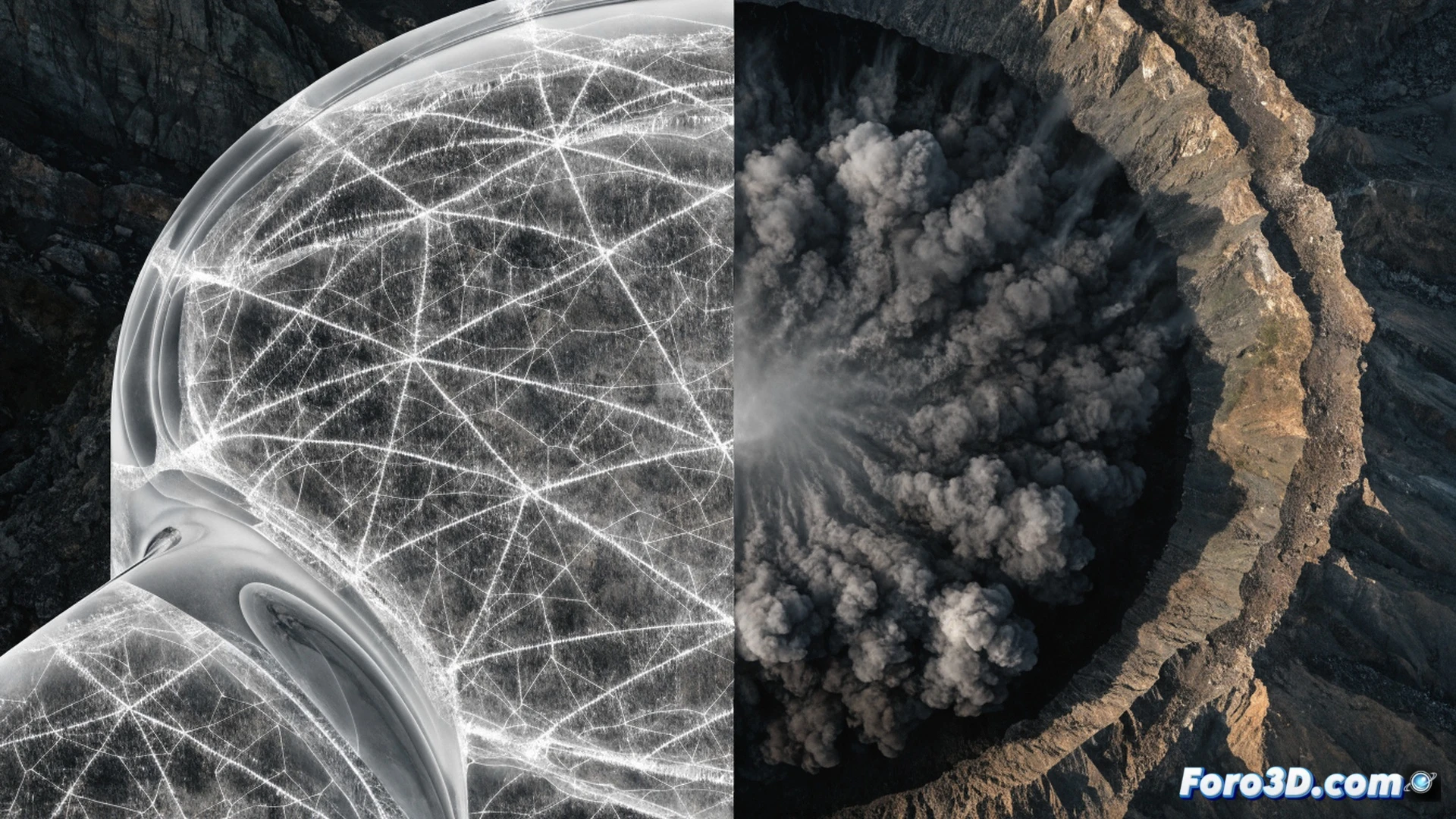
The Fossil Carbon Accounting Trap 🧮
Technically, these credits are based on models that calculate the carbon a volcano may have absorbed through slow geological processes, such as rock weathering. Companies acquire those numbers and subtract them from their current footprint. The problem is that CO₂ was already in the atmosphere and was part of the pre-industrial climate. The accounting trick allows a ton emitted today to be canceled out by a ton emitted a thousand years ago, without reducing a single real gram of active emissions.
Zombie Volcanoes: Dead but Paying the Bills 💀
So now you can drive an SUV and offset it with Mount Vesuvius from 79 AD. The volcano doesn't complain; it's dead. Brands present it as an eco-friendly solution: your CO₂ goes to an extinct crater and disappears. It's like paying your debt with a bill a Roman used to buy bread. The volcano absorbs nothing, but the accounting says it does. Meanwhile, the planet keeps warming, and the brands sip their coffee staring at their virtual volcano.