Reducing emissions is no longer enough. Faced with climate change, governments and companies are betting on direct atmospheric CO2 capture plants, such as Mammoth in Iceland or Stratos in Texas. These facilities promise to suck carbon from the air, but their high cost and energy consumption raise doubts about their real viability as a global solution.
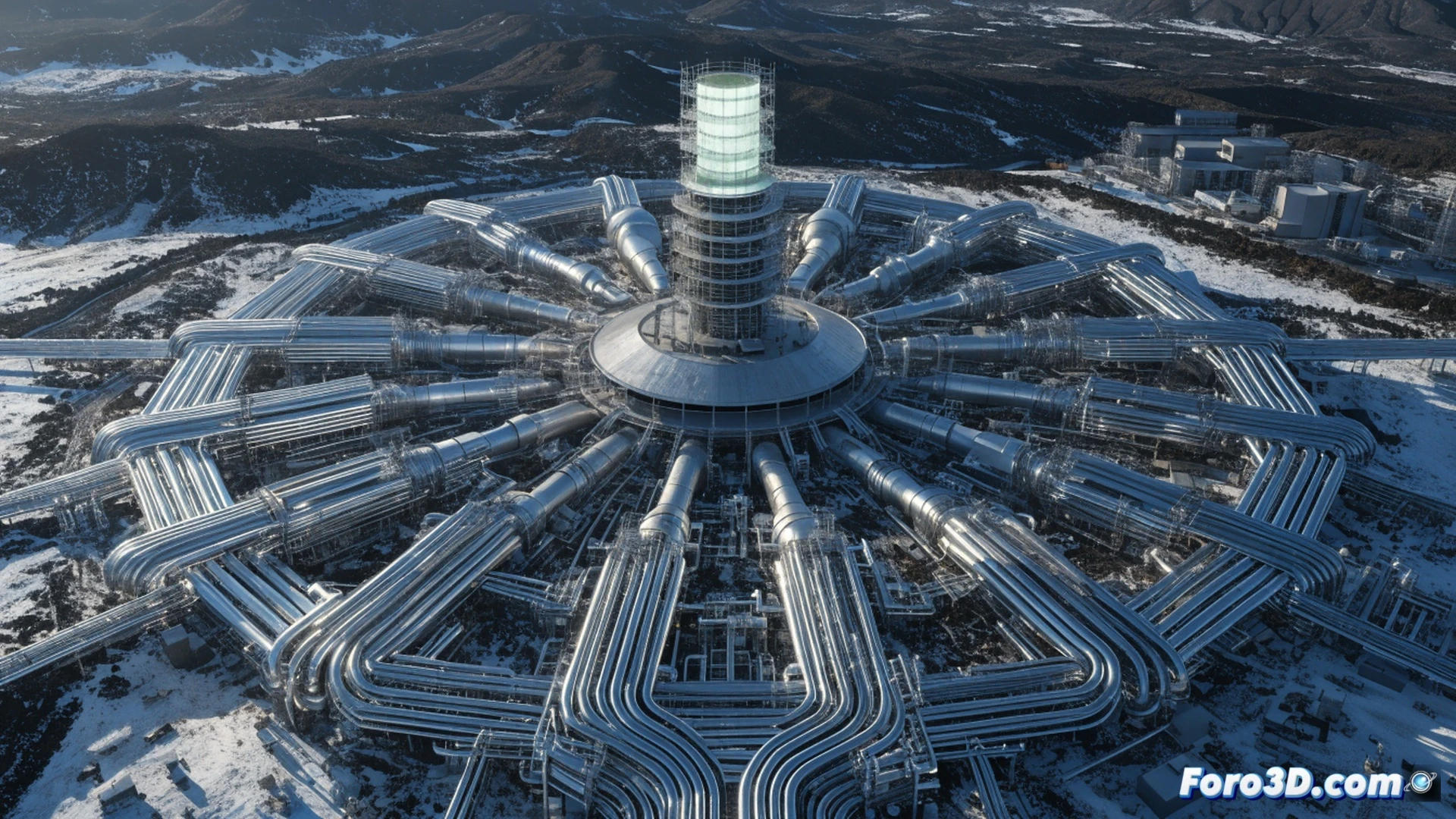
How carbon vacuums that promise to cool the planet work 🌍
DAC (direct air capture) technology uses large fans that filter CO2 through chemical reactions with solid or liquid sorbents. Mammoth uses basaltic rock to mineralize carbon, while Stratos uses heat to release the captured gas. Each ton costs between 400 and 600 dollars, and thousands of these plants are needed to have a significant impact. The required energy usually comes from renewable sources, but the current scale is minimal compared to global emissions.
The bill for clean air: the polluter pays, but we all end up paying 💸
The most curious thing is that while oil companies invest in these plants, they continue drilling without restraint. It's like a smoker buying an air purifier for their living room and then lighting one cigar after another. Citizens will end up footing part of the bill, either through taxes or higher prices. In the end, captured CO2 costs the same as a daily menu, but served in atmospheric portions.