A breakthrough in radiotherapy promises safer treatments by integrating 3D cameras that track patient movements. These systems detect millimeter-level displacements during the session, adjusting the radiation beam in real time. The result is greater protection of healthy tissues and a reduction in side effects, allowing the person to receive the necessary dose without jolts or unnecessary exposure.
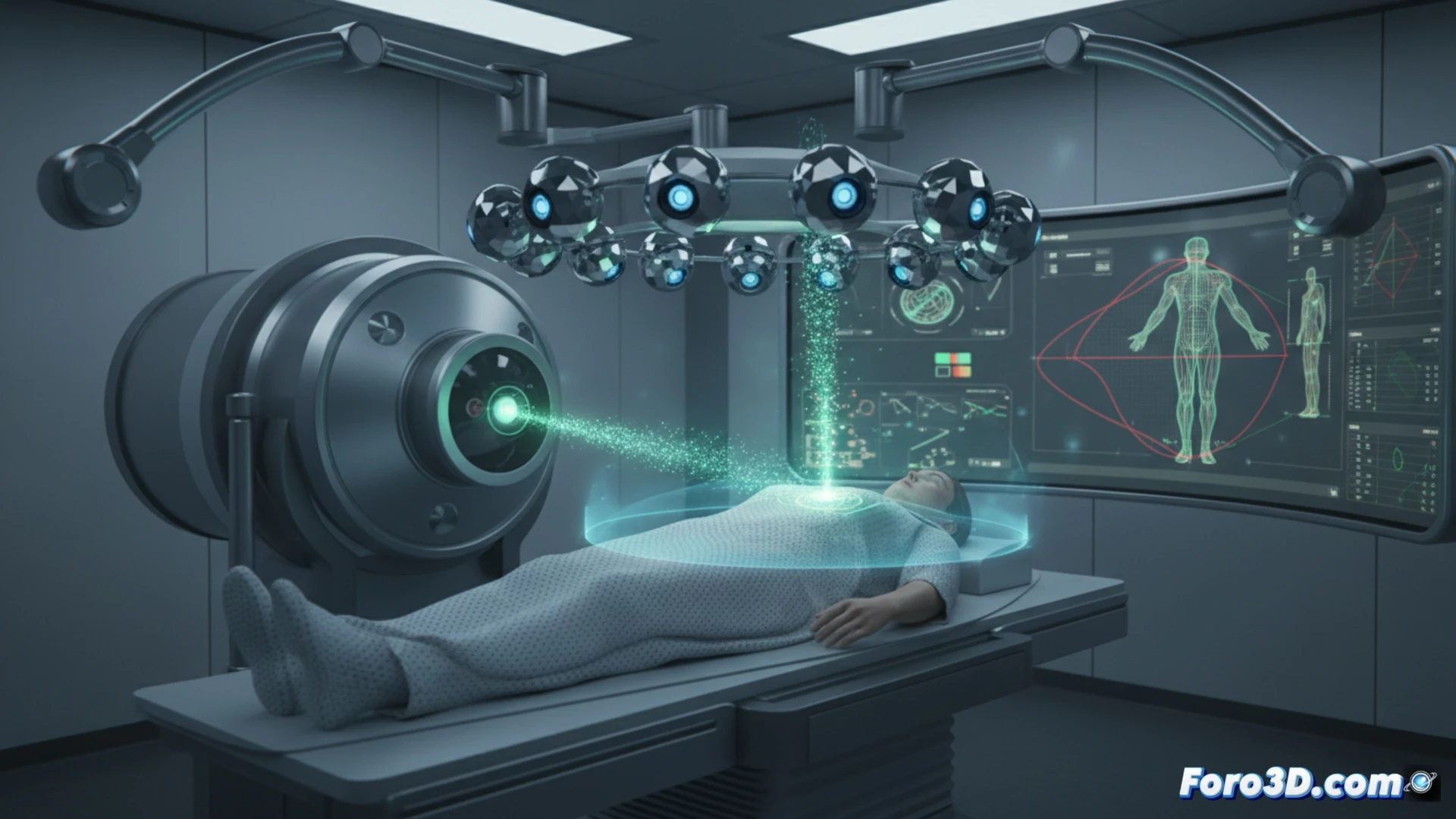
Computer vision technology for millimeter precision 🎯
The system uses multiple 3D sensors that capture the patient's body surface and compare it with a pre-treatment model. If the patient coughs, takes a deep breath, or moves, the software orders a pause or redirects the beam in milliseconds. This eliminates the need for rigid immobilization or repeating sessions due to positioning errors. Precision reaches the submillimeter range, allowing tumors near critical organs to be targeted without damaging them.
Goodbye to straps: now the patient just has to avoid sneezing 😅
Before, to keep you from moving, they would bolt you to the stretcher or put a mask on you worthy of Hannibal Lecter. Now you just have to breathe carefully and not get a fit of laughter watching the technician in his lead apron. If you move, the machine stops like a well-trained dog. Of course, if you sneeze just as it's aiming, the system forgives you, but you're left wondering if the tumor got a scare.