Auburn University, in collaboration with 6K Additive, is researching the use of cold spray technology to repair metal parts. This process deposits material without melting it, preventing deformations. However, the lack of data on the strength of repairs hinders its adoption in sectors such as defense and industry.
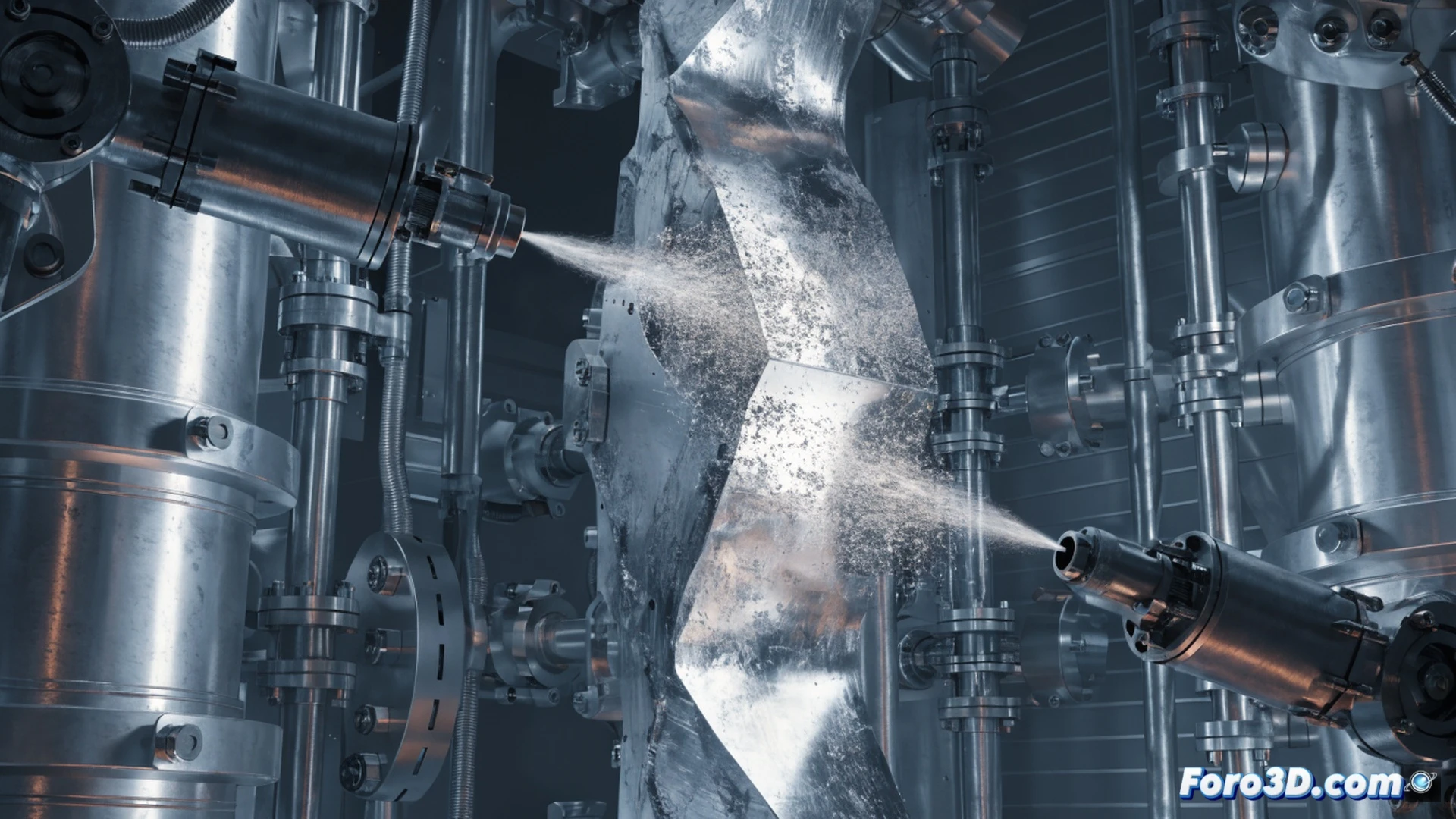
The challenge of measuring the strength of deposited material 🔬
Cold spray accelerates metal particles at high speed so they adhere to the damaged surface. The problem is that it is not yet precisely known how this material behaves under stress or fatigue. Auburn and 6K aim to develop predictive models to certify the reliability of these repairs, a necessary step for their use in critical components such as airplane wings or turbines.
Goodbye to duct tape for fixing the engine 🛠️
If this research works, repairing an airplane part will be as simple as pressing a button, instead of juggling welding and praying it doesn't crack. Technicians could forget about makeshift patches and prayers to the patron saint of mechanics. Finally, fixing something expensive could be cheaper than buying another second-hand plane.