Students from schools in Gata de Gorgos and Pedreguer participated in a school gathering focused on llata braiding, a craft from the Marina Alta region that supported many families during the post-war period. The initiative aims to revive this manual trade, which, in addition to its cultural value, fosters concentration and fine motor skills among young people, offering an alternative away from screens.
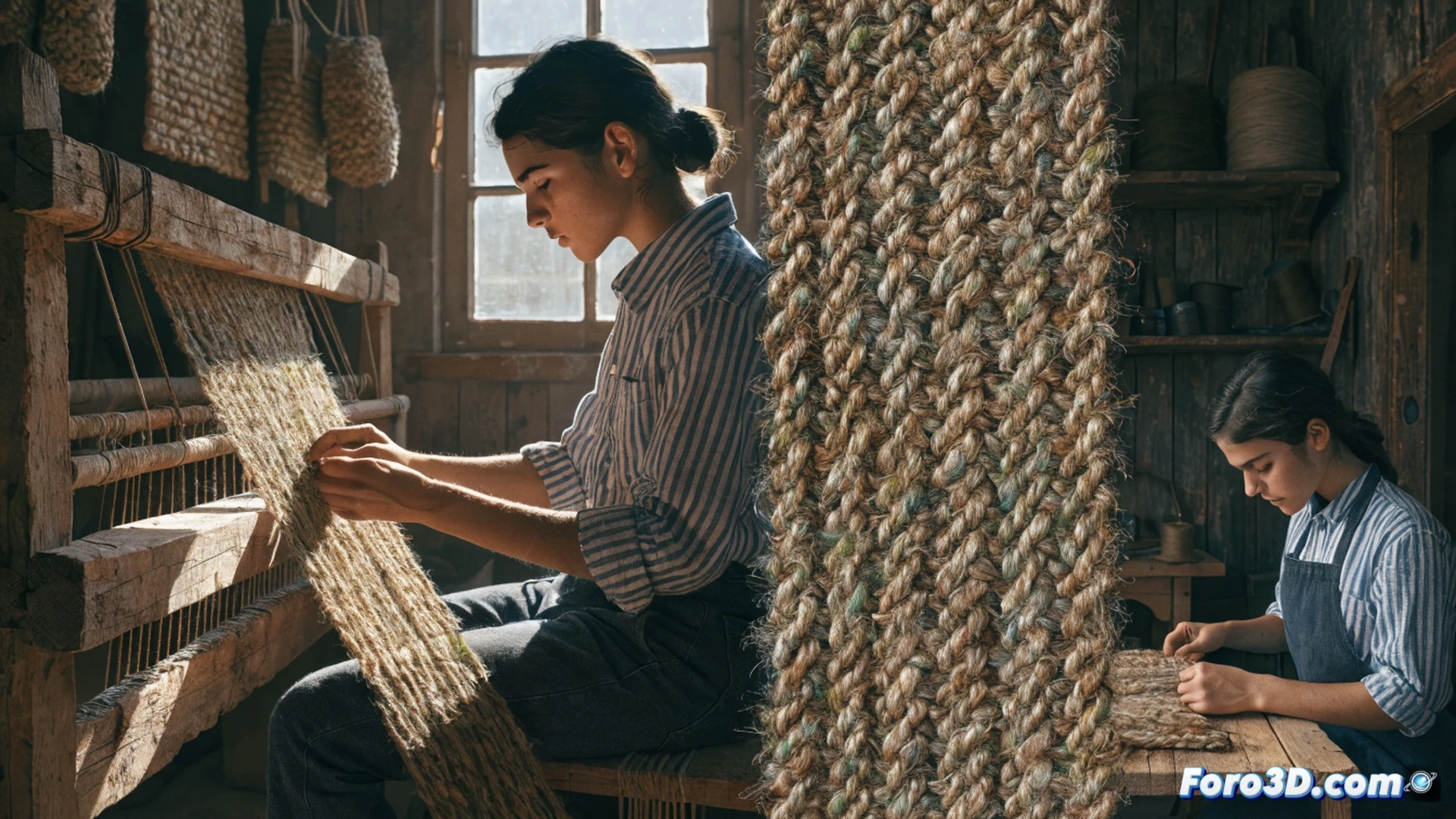
Craftsmanship as a pedagogical tool against digital technology 🧵
From an educational perspective, llata braiding involves fine motor skills and sustained attention, abilities that directly compete with the instant gratification of mobile devices. Students not only learn an ancestral technique but also practice patience and problem-solving by following weaving patterns. This type of hands-on activity, integrated into the school curriculum, shows that tradition can be an effective resource for balancing technology use in the classroom.
Less TikTok, more palm and wicker: the llata revolution 🌿
While some young people dream of being influencers, these students discover that braiding llata can be just as addictive, but without needing to charge their phone. Of course, the risk of getting pricked by a palm strip is lower than encountering a troll on social media. In the end, the experience shows that manual patience remains a virtue, even if it's harder to sell on Instagram. Llata, at least, doesn't ask for a like.