Shareholder pressure on Kadokawa to force a sequel to Elden Ring, ignoring Hidetaka Miyazaki's stance, exposes a recurring conflict: the corporate profit motive tramples creativity. It is hypocritical that the same companies that boast about innovation demand to squeeze every success until it is exhausted. The solution lies in shielding the autonomy of creative teams through contracts that protect their artistic vision, prioritizing sustainable quality over immediate commercial exploitation.
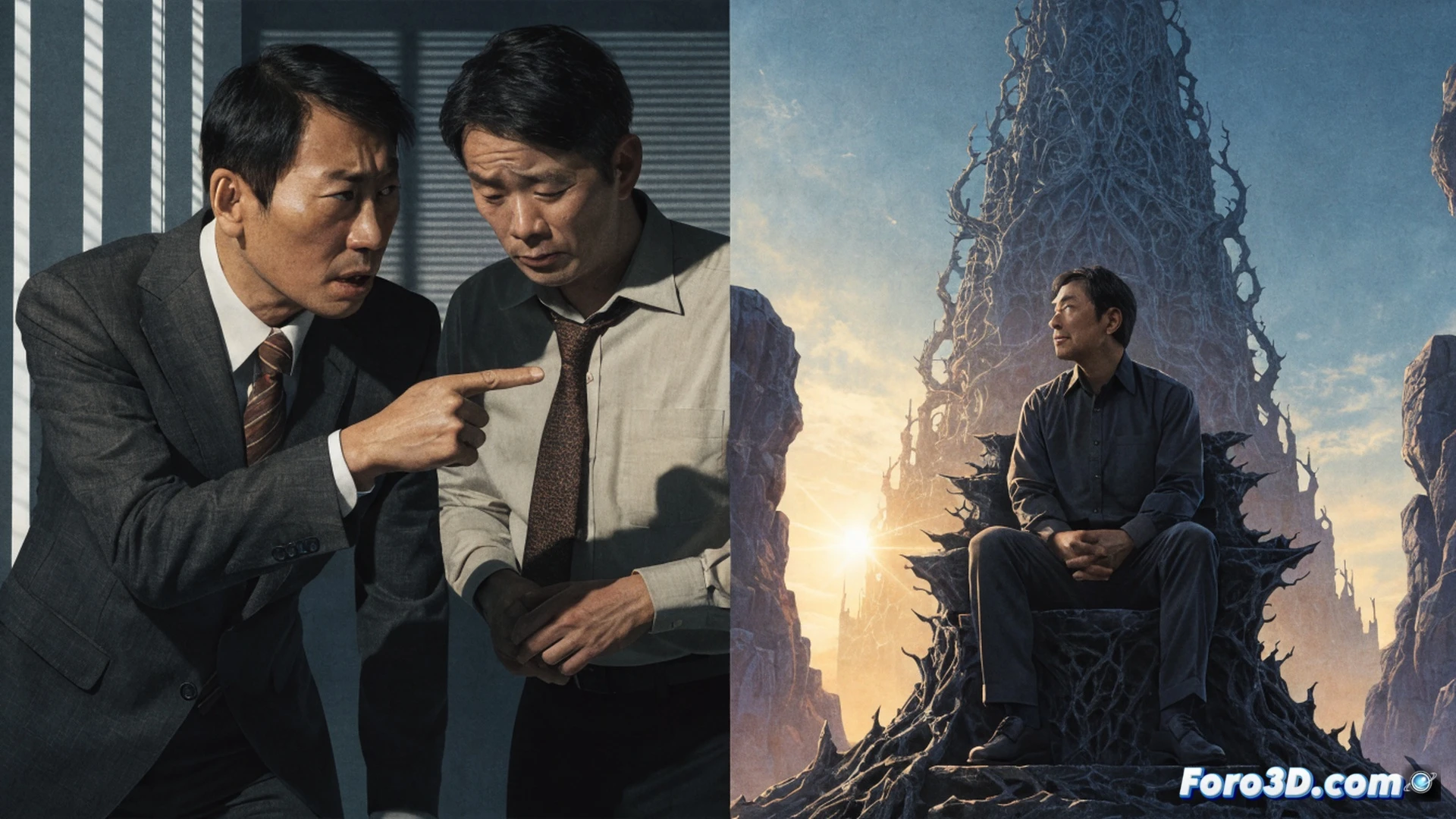
The graphics engine as a battlefield between art and business 🎮
From a technical standpoint, forcing a sequel without the original director involves serious risks. Elden Ring stands out for its interconnected world design and combat systems that Miyazaki refined over years. A team without his leadership could generate a generic experience, using the same FromSoftware engine but without the artistic direction that made the title unique. Shareholders ignore that technical quality cannot be sustained without a coherent creative vision; rushing development only produces endless patches and disappointment among users.
Express sequels: the new high-risk sport for investors 💸
So now Kadokawa's shareholders have become experts in video game design. Surely their master plan includes launching Elden Ring 2 in a year, with microtransactions and a battle pass for bosses. Because nothing says respect for art like turning Malenia into a season pass. Meanwhile, Miyazaki is probably locking his Bloodborne 2 draft away, lest the same vultures discover it and demand an annual sequel.