Tesla has reached an out-of-court settlement for the first pedestrian fatality case linked to its Full Self-Driving system, which occurred in Arizona in 2023. Meanwhile, the NHTSA is investigating 3.2 million vehicles for system failures in low-visibility conditions. The safety of FSD continues to be questioned, with potential risks to pedestrians and drivers. Authorities are evaluating a possible mandatory recall.
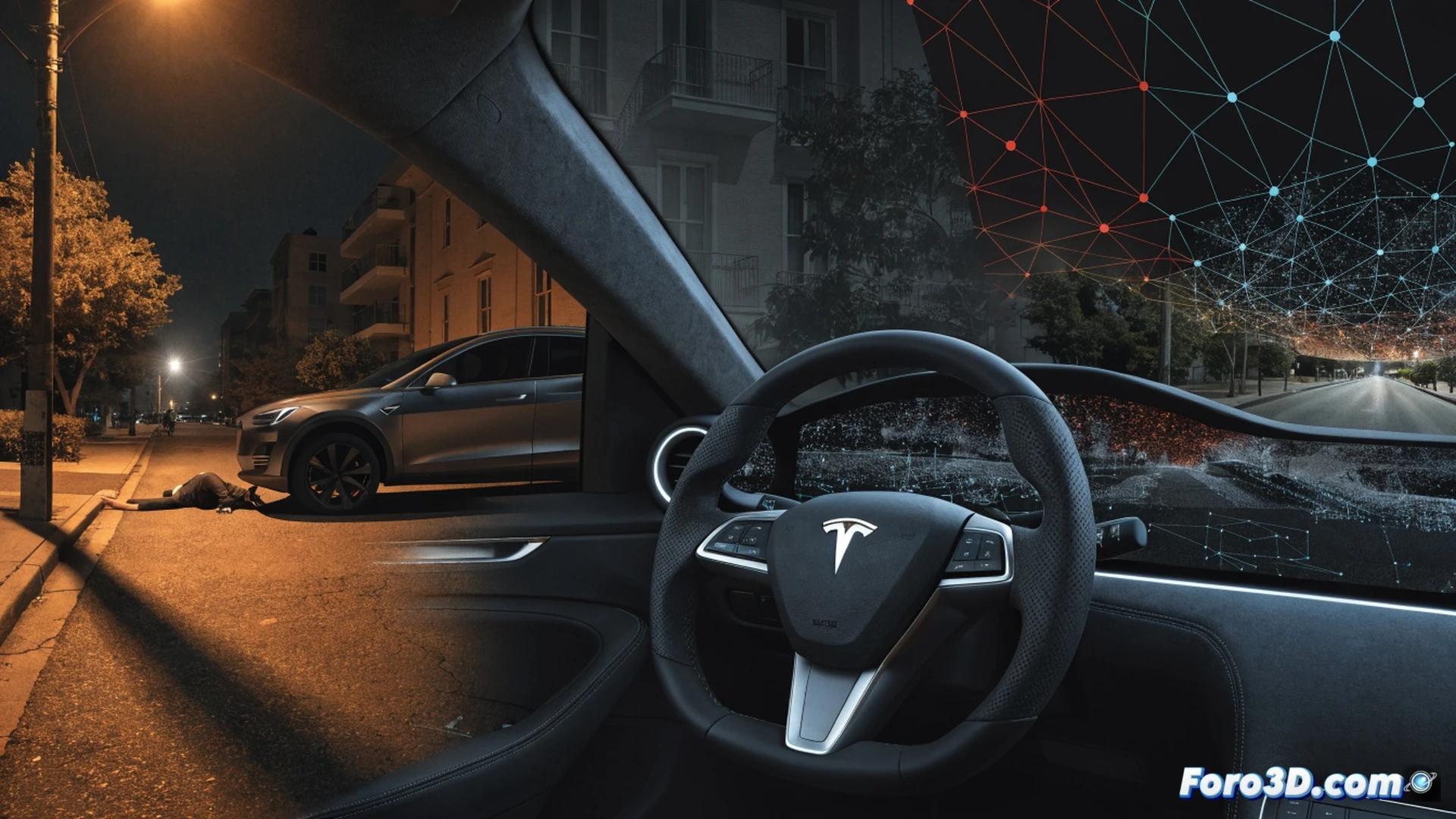
Technical failures of FSD in low visibility 🚗
The NHTSA investigation focuses on incidents where FSD fails to detect objects or obstacles when light is scarce or there is fog. The system, which relies on cameras and neural networks, fails when processing high-contrast or low-light scenarios. These errors have led to collisions with emergency vehicles and, in the Arizona case, to the death of a pedestrian. Tesla has not released a patch to resolve these limitations.
Autopilot and its fear of the dark 🌙
It seems FSD is more afraid of the night than a child is of monsters under the bed. Because if there's low light, the system becomes as useful as an umbrella in a hurricane. Tesla's solution so far is to say that drivers must remain attentive, which is like selling a ghost car and asking the owner to drive. Good thing we paid 8,000 euros for this feature.