A hospital in Barcelona has developed an artificial placenta that allowed Gaia, a prematurely born sheep, to survive 13 months with normal development. This scientific breakthrough aims to help extremely premature human babies, who face a high risk of death or after-effects. For the public, in a few years it could reduce mortality and complications in very early births, offering a viable option for the most vulnerable newborns.
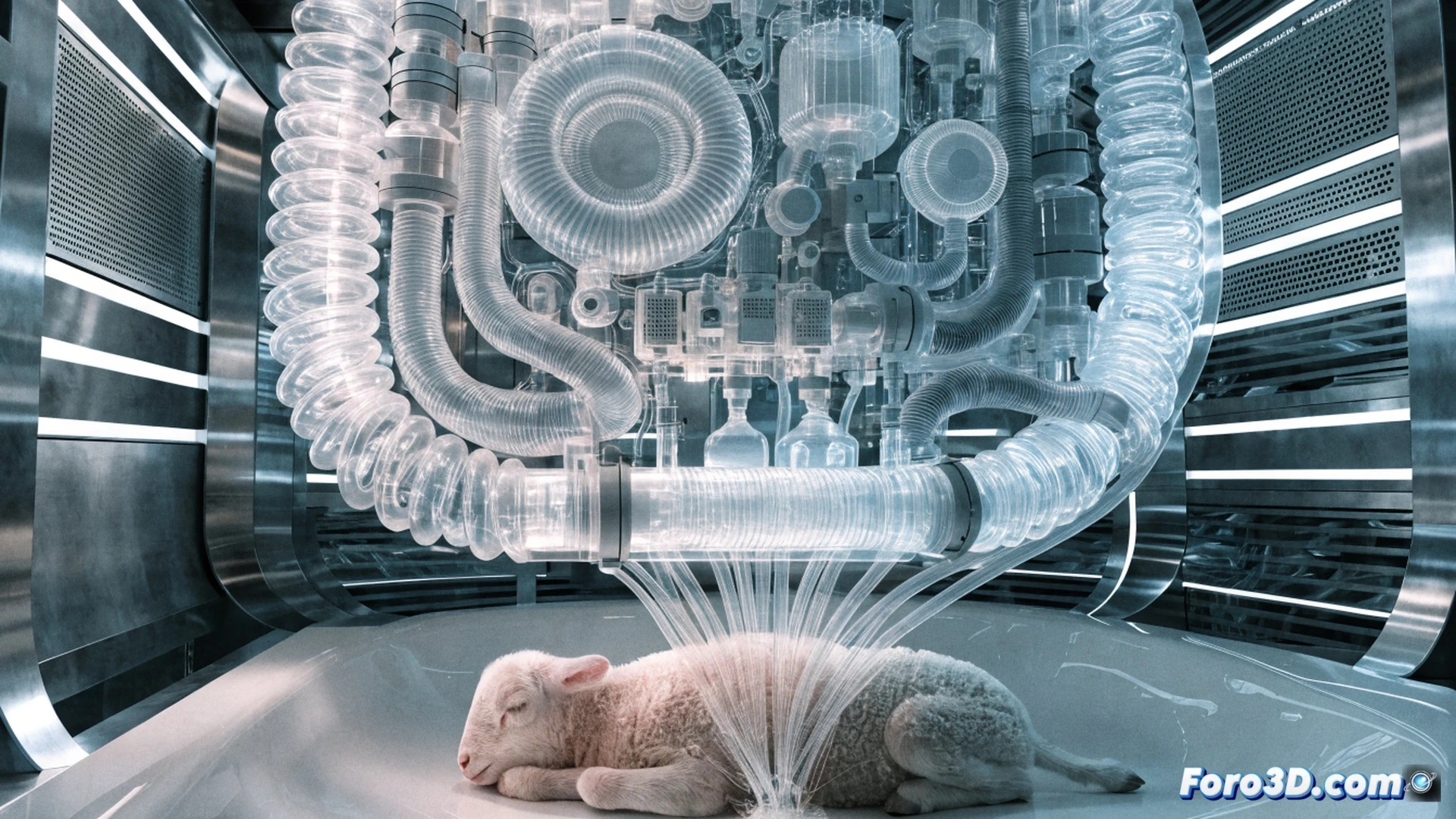
How this technology that mimics the maternal womb works 🧪
The system replicates uterine conditions through a sterile liquid environment and an oxygenation circuit that replaces placental function. Gaia the sheep was connected to this device after being born at the equivalent of 23 weeks of human gestation. Over 13 months, her growth and neurological development remained within normal parameters, without the typical complications of extreme prematurity, such as lung or brain damage. Researchers are now working on adapting the technology to humans.
Gaia, the sheep that lived better than many on the subway 🐑
While Gaia enjoyed her artificial placenta with 13 months of intensive care, constant temperature, and on-demand oxygen, many humans are still fighting for a seat on the subway at eight in the morning. The sheep didn't have to worry about mortgages or the price of milk. Of course, when she comes out of the incubator, she might be in for a surprise when she sees that outside there is no amniotic fluid or 24-hour room service.