Artificial intelligence already patrols our streets to hunt down traffic violations with surgical precision. Governments applaud the revenue-collecting efficiency, but this surveillance reveals an uncomfortable hypocrisy: the automation of punishment is prioritized over investment in accessible and safe public transportation. The root of the problem? It is not addressed; only fines are issued.
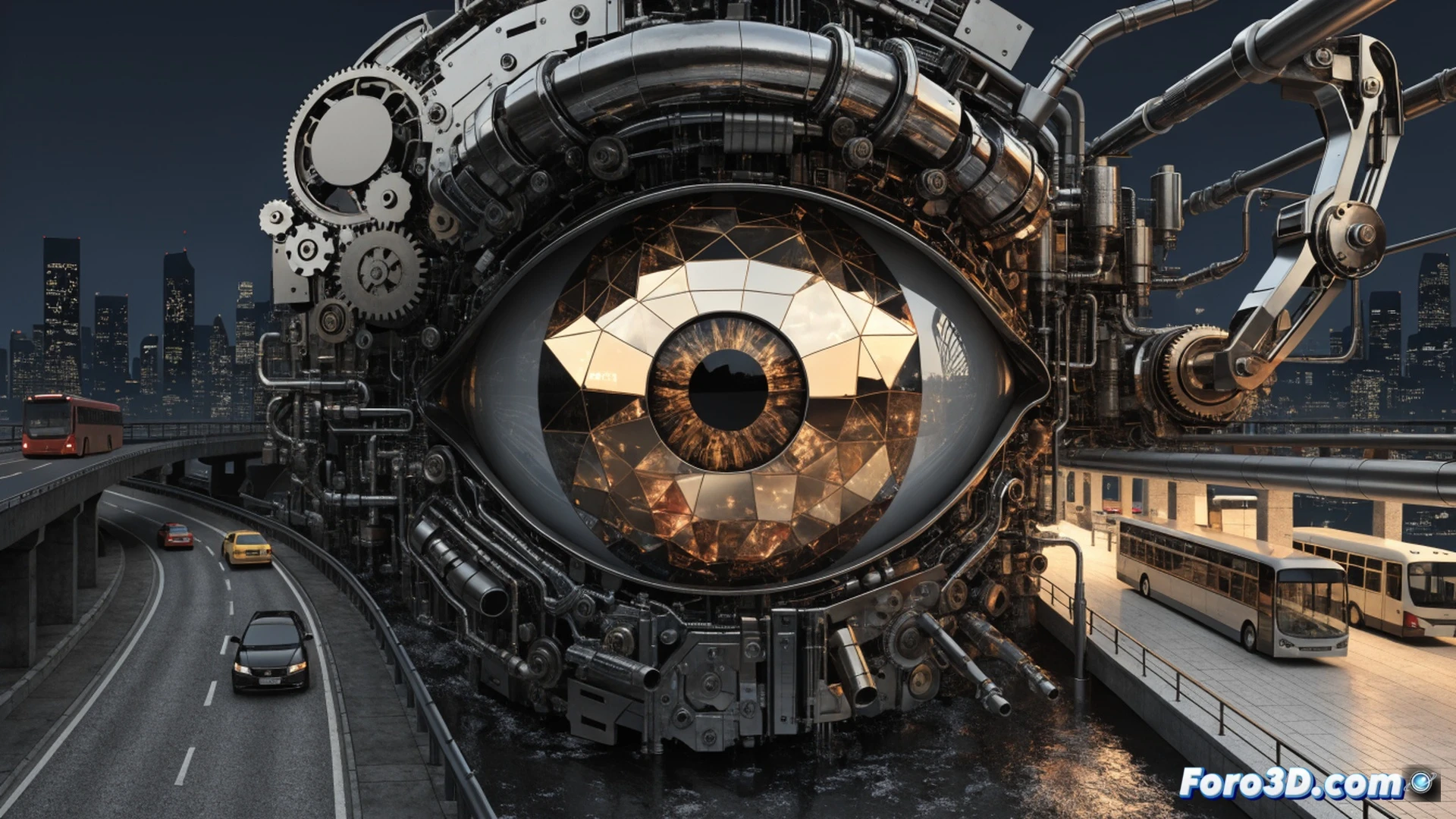
Cameras that see everything, roads that never get fixed 🚧
Computer vision systems analyze thousands of license plates per minute, detecting speeding and red-light violations with minimal error margins. But this cutting-edge technology coexists with potholes, poor signage, and badly designed roundabouts. Technical development should also be applied to improving road infrastructure and creating algorithms that prioritize pedestrian safety, not just revenue from fines. Efficiency without planning is just cheap control.
The radar that doesn't know your salary won't stretch further 💸
AI does not distinguish between a driver going 60 km/h because they are in a hurry and another going 60 because they cannot afford a mechanic to fix the speedometer. Fines become a tax on the poor: the Tesla owner receives the notification and pays it without issue; the 2005 compact car driver eats noodles all month. Perhaps the next algorithm should calculate whether the offender can afford the luxury of being fined.