Intel announces significant advances in its 18A manufacturing process, solving a wafer-to-wafer variability issue that affected chip consistency. With a monthly production of up to 30,000 wafers across two plants, the company aims to deliver more reliable processors and meet delivery deadlines, a necessary step to regain market confidence.
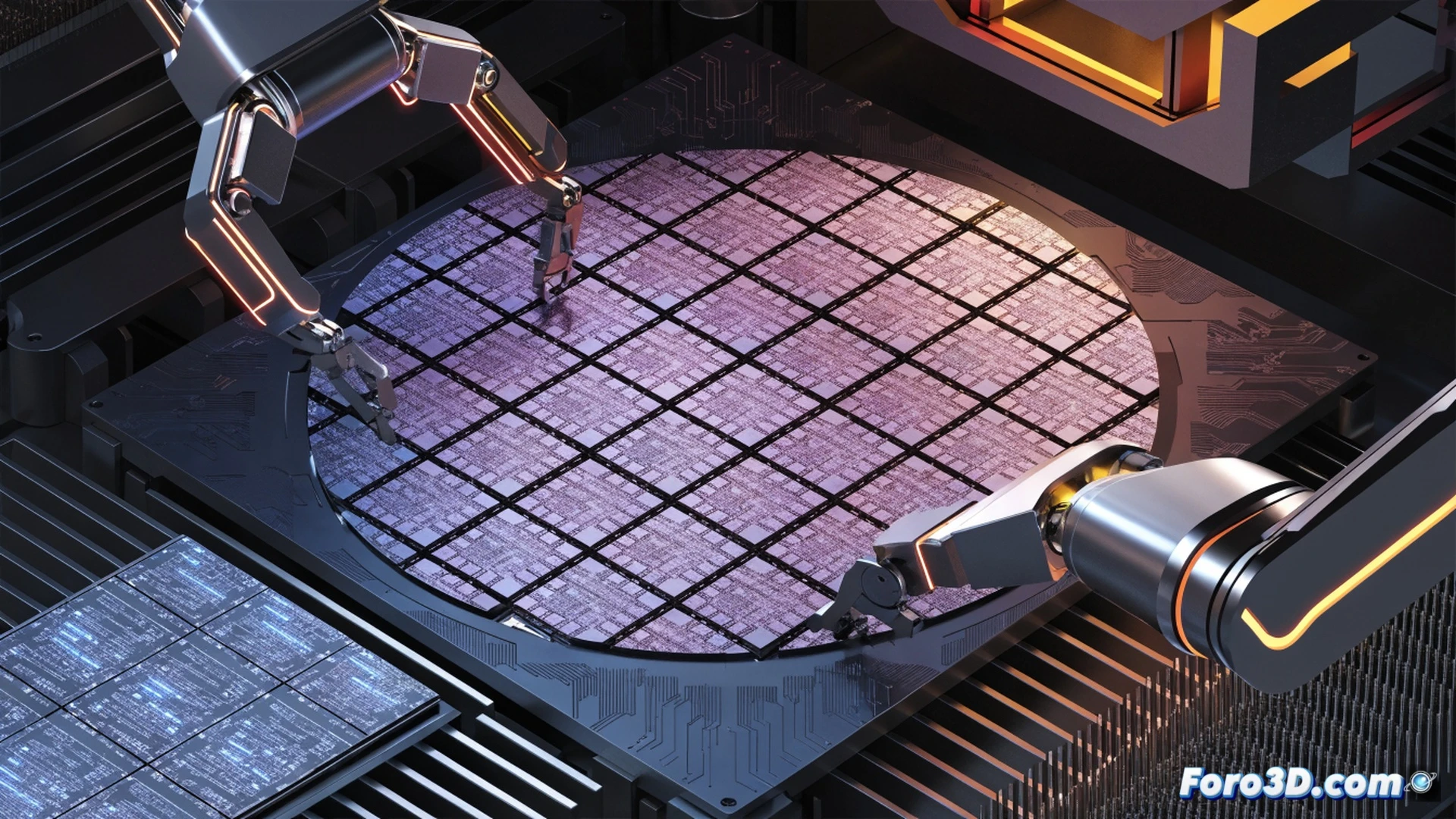
The 18A process stabilizes after correcting key deviations 🔧
Wafer-to-wafer variability was a technical obstacle that caused performance differences across production batches. Intel has implemented adjustments in process control and lithography for the 18A node, achieving more predictable manufacturing. It now produces 30,000 wafers per month at its Oregon and Arizona plants, a volume that will supply future launches without the usual delays. However, the company acknowledges that wafer stability does not guarantee final chip performance, as packaging and transistor integration still need optimization.
Intel no longer plays Russian roulette with its wafers 🎲
It seems Intel has stopped playing Russian roulette with its wafers, and now each chip has a better chance of being a twin to its neighbor. With 30,000 wafers per month, the factory looks like an industrial bakery, though it remains to be seen whether the processors come out crispy or burn in the oven of final performance. At least, engineers no longer need a lucky charm for two identical chips to behave the same.