A developer has achieved a technical milestone by adapting an e-ink display similar to a Kindle's to emulate a Game Boy. Despite the hardware limitations, the screen reaches 60 Hz by updating only the areas where changes occur, drastically reducing battery consumption. The project demonstrates that it is possible to revive classic consoles with low-power technology, although the touch controls are less precise than the original buttons.
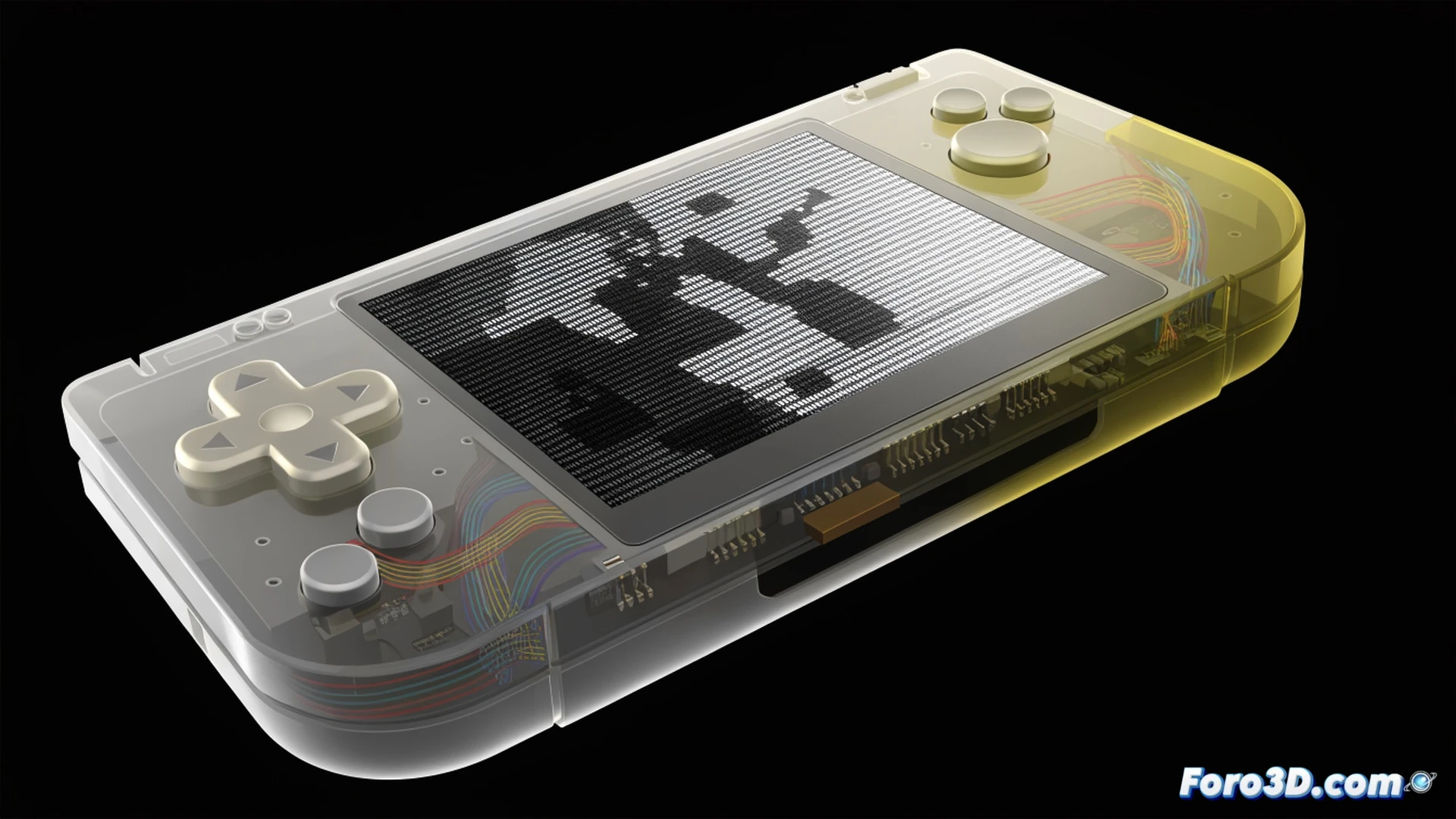
How to achieve 60 Hz with a low-power screen 🖥️
The key lies in partial pixel updating. Instead of refreshing the entire image, the system only modifies areas where movement occurs, such as the character or enemies, leaving the background static. This allows reaching 60 frames per second without draining the battery. However, the e-ink screen has a slower response time than an LCD, causing slight ghosting in fast scenes. The developer optimized the firmware to prioritize speed over sharpness, a necessary compromise for this type of hardware.
Touch buttons: the price of playing with a literary style 🎮
Touch buttons are the weak point of this experiment. While they save space and components, playing Tetris with taps on a flat surface is like trying to read a book with wet fingers: you can do it, but don't expect precision. The creator admits that missing a jump in Super Mario Land due to an accidental touch is part of the experience. At least the battery lasts so long you could finish the game before it runs out, even if your fingers get tired first.