Starting in September, 14 children in the Balearic Islands with cerebral palsy or muscular atrophy will be able to use a pediatric exoskeleton to improve their mobility and self-esteem. It is the first region to integrate this therapy into health and social services, with an investment of 209,000 euros from European funds. For citizens, this means that minors will gain autonomy and delay complications from immobility.
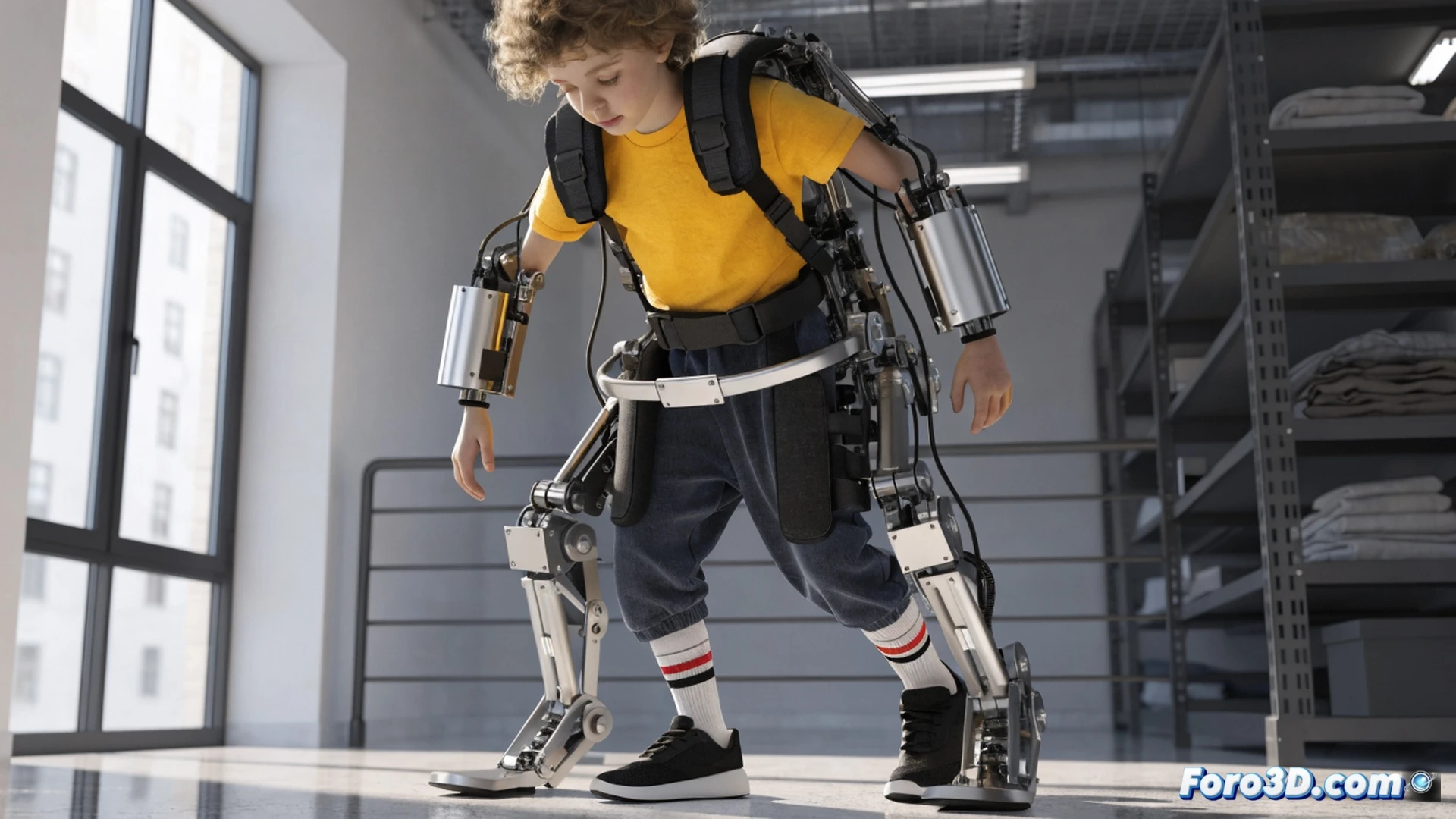
How the robotic suit that takes steps for them works 🤖
The exoskeleton is a motorized device that adjusts to the child's body and articulates the legs in an assisted manner. Sensors detect movement and activate motors to mimic natural gait. The therapy will be carried out in sessions supervised by physiotherapists, with the aim of strengthening muscles, improving circulation, and reducing contractures. It is not a cure, but it slows down the effects of prolonged immobility. The key lies in the repetition of walking patterns that the system memorizes and adapts to each patient.
The exoskeleton: because parents also need a break 😅
While children walk like little transformers, parents can relax a bit. Because yes, carrying your child on your back for years is a non-Olympic extreme sport. Now, instead of asking for robotic arms to grow, the system does the work. Of course, be careful if the neighbor sees the child passing by: they might think the Marines have arrived. At least, electricity bills will go up, but the kids' self-esteem will too.