Arthur Brown, known as Cluemaster, debuted in Detective Comics #351 (1966) under the pen of Gardner Fox and the pencil of Carmine Infantino. This second-tier villain was distinguished by his obsession with leaving clues before his crimes, a method that made him peculiar but ineffective. His story was lost among DC's big names, although his technical legacy and his daughter Stephanie Brown (the third Spoiler) gave him some renown.
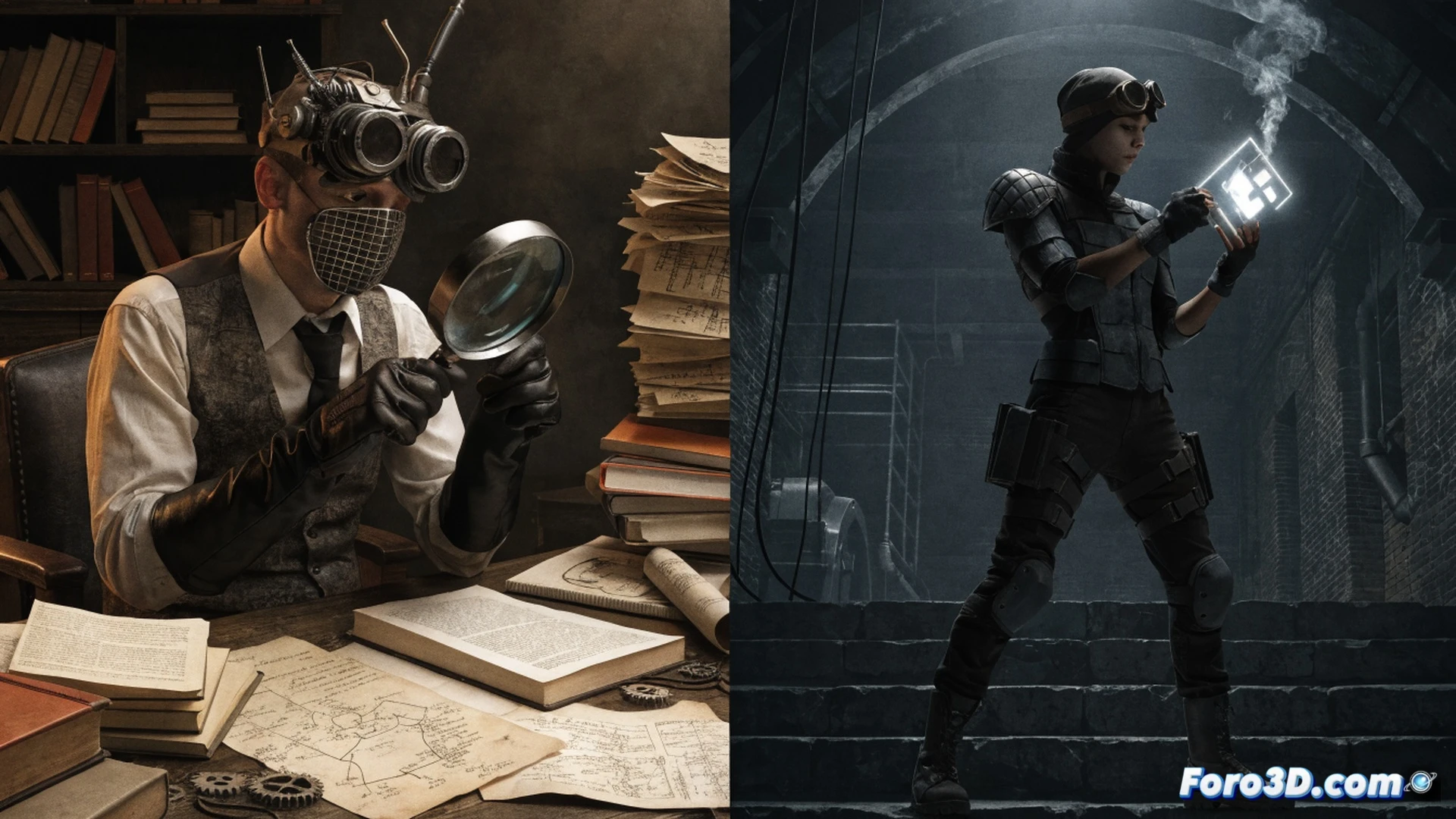
The inverse forensic method of a second-tier villain 🕵️
Cluemaster operated with a system of riddles that, far from being a mere whim, functioned as an inverse forensic challenge. He left clues at crime scenes that, in theory, only a top-level detective like Batman could decipher. However, his technique was predictable: he used newspaper codes, encrypted messages, and references to previous cases. By 1988, in Detective Comics #569, his method was already obsolete, surpassed by the computational data analysis that Batman implemented in the Batcomputer.
The villain who put more effort into marketing than stealing 🤡
The curious thing about Cluemaster is that he spent so much time designing his clues that he almost forgot to commit the crime. He was like a 60s YouTuber who prepared a ten-minute video to announce he had robbed a bank, but ran out of battery on his camera. His daughter Stephanie, upon inheriting his costume, at least had the decency not to leave ridiculous riddles. Arthur Brown proved that being a villain is not difficult; what is difficult is not looking like an idiot while doing it.