In the 1980s, DC Comics attempted to give World War II a new boost with Commander Steel, a superhero created by Gerry Conway and illustrated by Don Heck. Hank Heywood, an athlete transformed into a steel cyborg, fought against the Axis and later against crime in the modern era. However, his presence in the DC universe faded over the years, remaining a minor figure in the shadows of the Justice League.
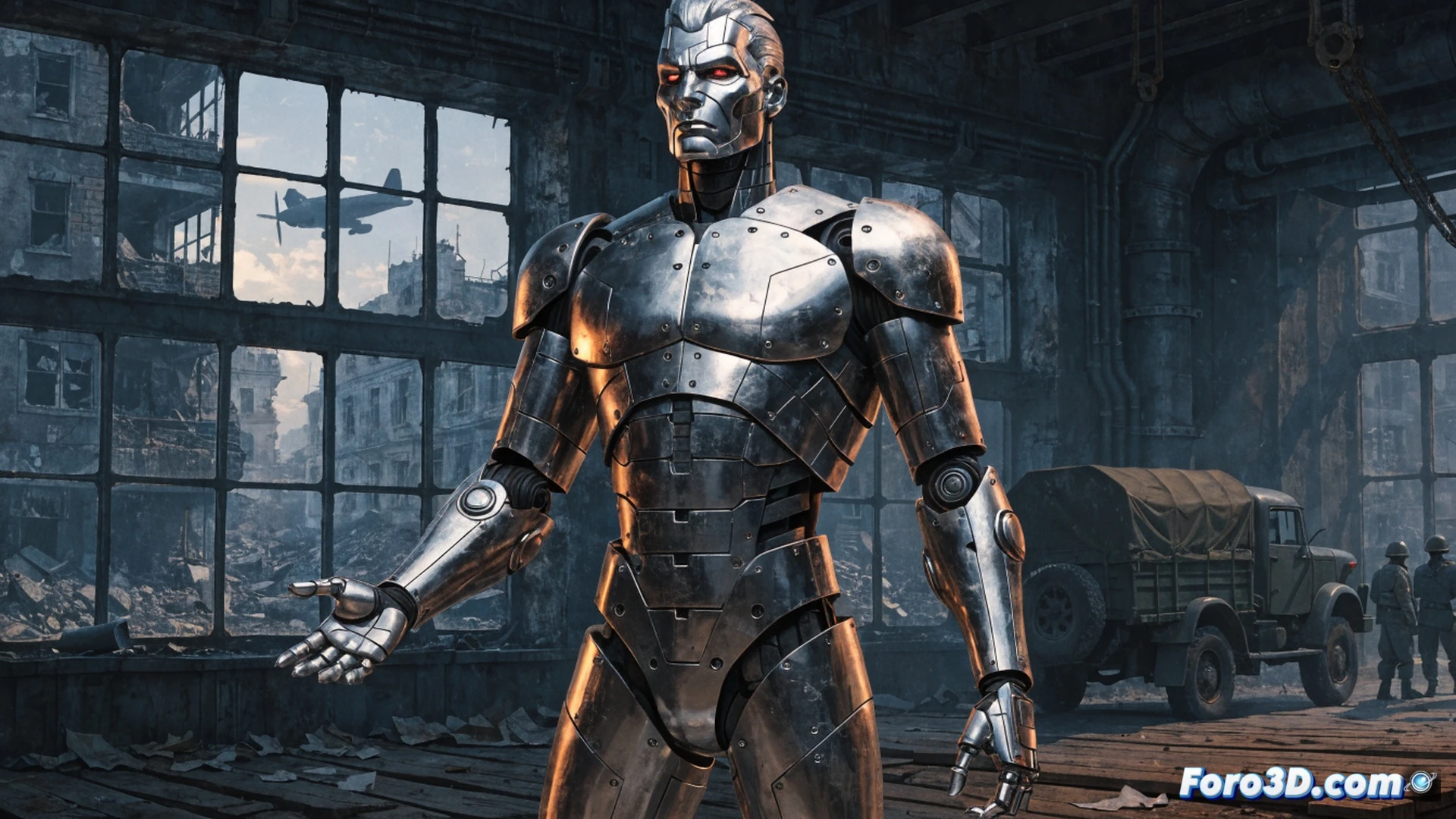
The steel armor that couldn't compete with titanium 🦾
Commander Steel's technology was based on a steel exoskeleton cast over his body, granting him superhuman strength and ballistic resistance. Unlike other metal heroes like Iron Man, his armor was fixed, with no flight capability or integrated weapons. Heck's design, functional but crude, reflected an era where biomechanics was still basic science fiction. Its main limitation: it had no upgrade systems, becoming obsolete against modern threats.
The hero who rusted into oblivion 🦴
Hank Heywood went from being the pride of the war industry to a metallic grandfather no one called for Justice League dinners. His grandson, also named Hank, tried to revive the legacy but ended up as a villain in Young Justice. In the end, Commander Steel is the perfect example that, in the world of comics, having a superhero name doesn't save you from ending up in the box of dusty memories in DC's basement.