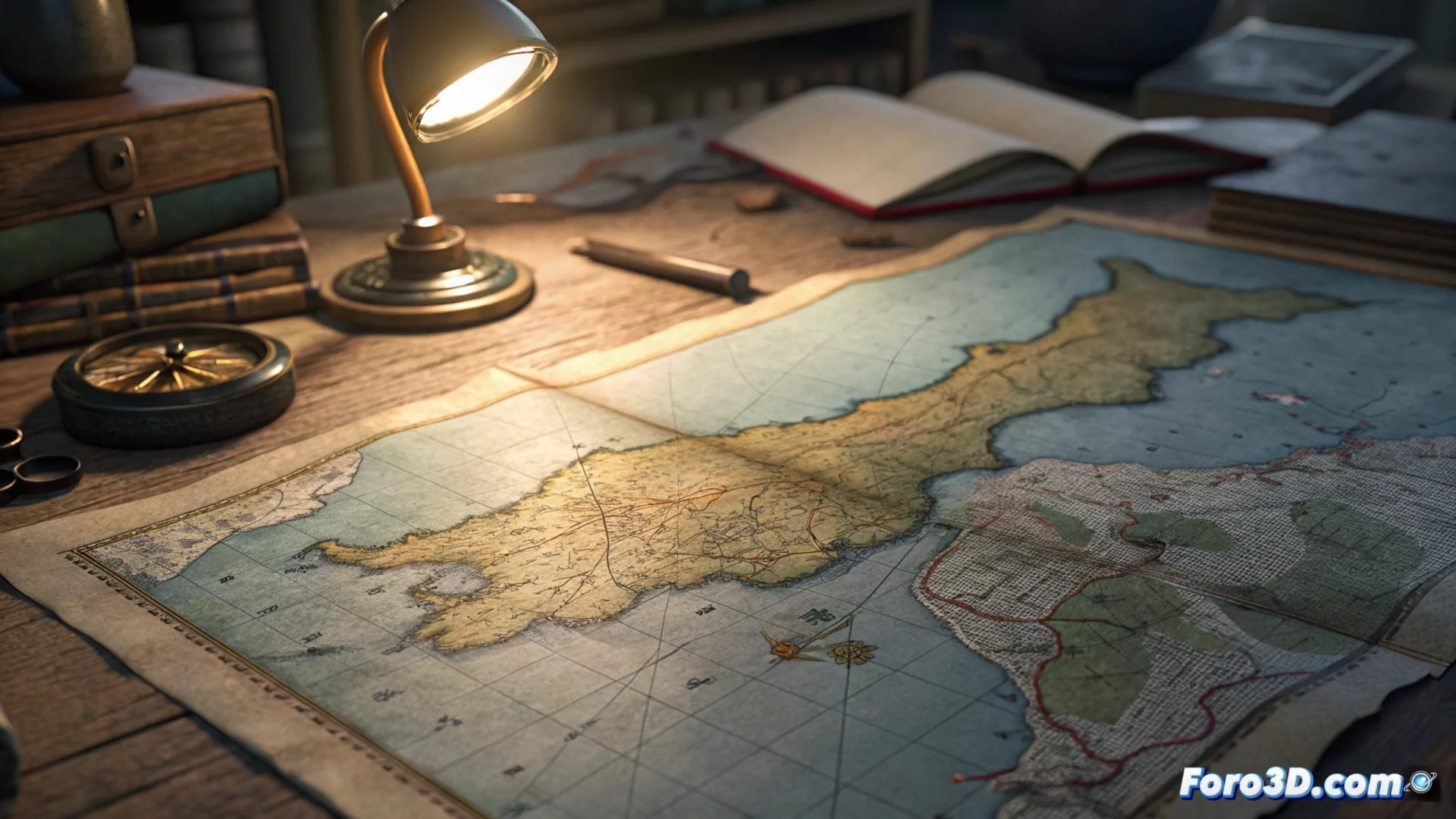
Vietnam Criticizes Uncharted 4 for a Map with the Nine-Dash Line
The Vietnamese government has expressed its disagreement with an element present in the acclaimed video game Uncharted 4: A Thief's End. The focus of the conflict is a map that appears in a scene, which includes a discontinuous demarcation over the waters of the South China Sea. This graphic representation has triggered diplomatic alarms 🗺️.
The Origin of the Territorial Dispute
Vietnam identifies the dotted line on the game's map as the nine-dash line, a claim that China uses to argue its control over most of this maritime area. This pretension overlaps and directly clashes with the sovereignty claims maintained by Vietnam, the Philippines, and other Asian nations. Therefore, the map ceased to be a mere backdrop and became a symbol of an ongoing international dispute.
Key Points of the Vietnamese Claim:- Considers that the map in Uncharted 4 visually legitimizes Chinese territorial claims.
- The discontinuous line covers areas that Vietnam and other countries administer and claim.
- Interprets that its inclusion, even if accidental, can influence public perception of the conflict.
Naughty Dog states that it did not intend to make a political statement. They explain that the map is a generic stock asset.
The Developer's Reaction and Solution
In response to the controversy, Naughty Dog, the studio behind the game, responded quickly. The company clarified that the map in question was a generic stock asset selected to set the scene for a secondary character's office, with no political intent. To avoid further misunderstandings and geopolitical sensitivities, the studio announced that it will remove that specific map from all future prints and digital updates of the title 🛠️.
Measures Taken by Naughty Dog:- Deny any intent to take sides in border disputes.
- Commit to removing the problematic graphic asset from future versions.
- Emphasize the purely narrative and design purpose of the element.
A Recurring Pattern in the Industry
This incident is not isolated. The global entertainment industry has had to edit or remove content on multiple occasions when maps or geographic references generate tensions. Video games, streaming platforms, and film producers navigate a minefield where the representation of borders can have real consequences. These cases demonstrate how fiction can, unintentionally, trigger complex historical and sovereigntist debates 🌍.
Nathan Drake's adventure reminds us that, sometimes, the greatest danger is not in ancient traps, but in the diplomatically sensitive waters of the present. A simple background map can hide a treasure trove of controversies, forcing creators to be as cautious as the heroes they design themselves.