When 3D Printing Becomes a Weapon Against Cancer
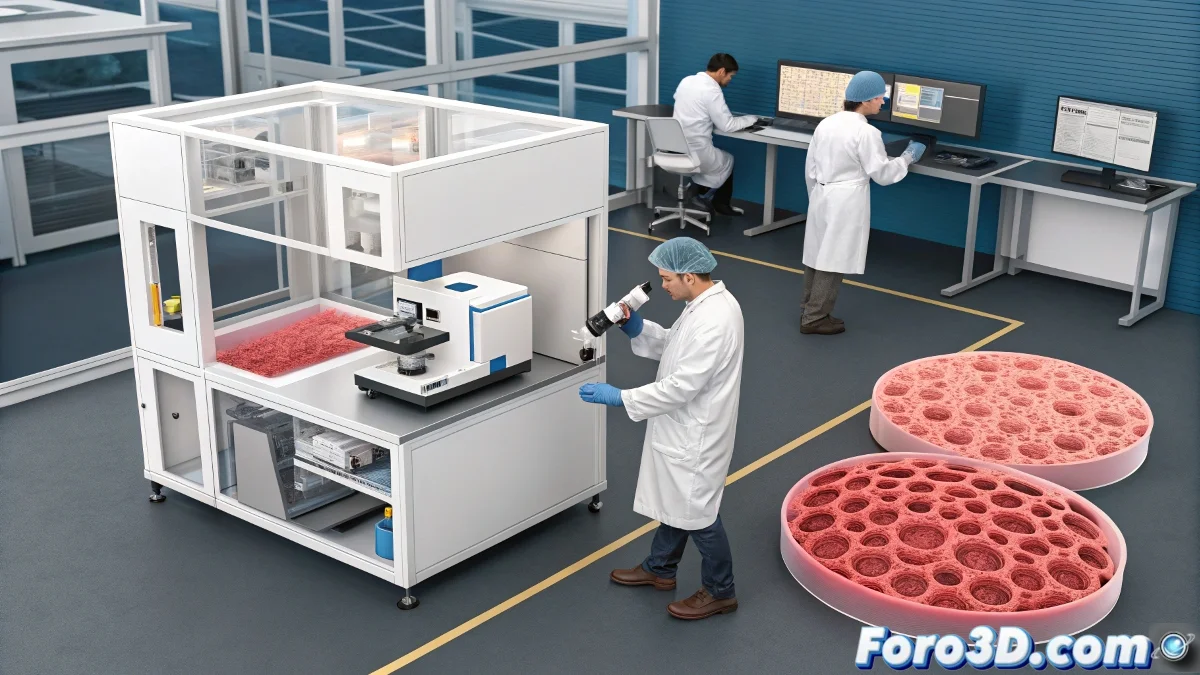
TissueTinker, originating from McGill University, is changing the game in oncology research. Its 3D-printed tumors, just 300 microns in size, replicate human cancers with unprecedented precision 🧫.
"It's like having a miniature battlefield to test strategies," explains Benjamin Ringler, co-founder of the startup.
Technology That Mimics Life
These innovative models feature:
- Cellular bioink that keeps tissues alive
- Complete tumor structures with hypoxic zones
- Healthy and diseased tissue coexisting
Bridge Between 3D and Biology
Although they don't use conventional software, their work has parallels with the digital world:
- Parametric modeling of cellular structures
- Tumor growth simulations
- Resource optimization like in a complex render
The Future of Clinical Trials
This technology could:
- Reduce 90% of failures in early phases
- Minimize reliance on laboratory animals
- Accelerate the development of personalized therapies
Moral: sometimes the solution to microscopic problems comes from machines that print in 3D. Who would have thought printers would be good for more than making Yoda figurines 🦠.