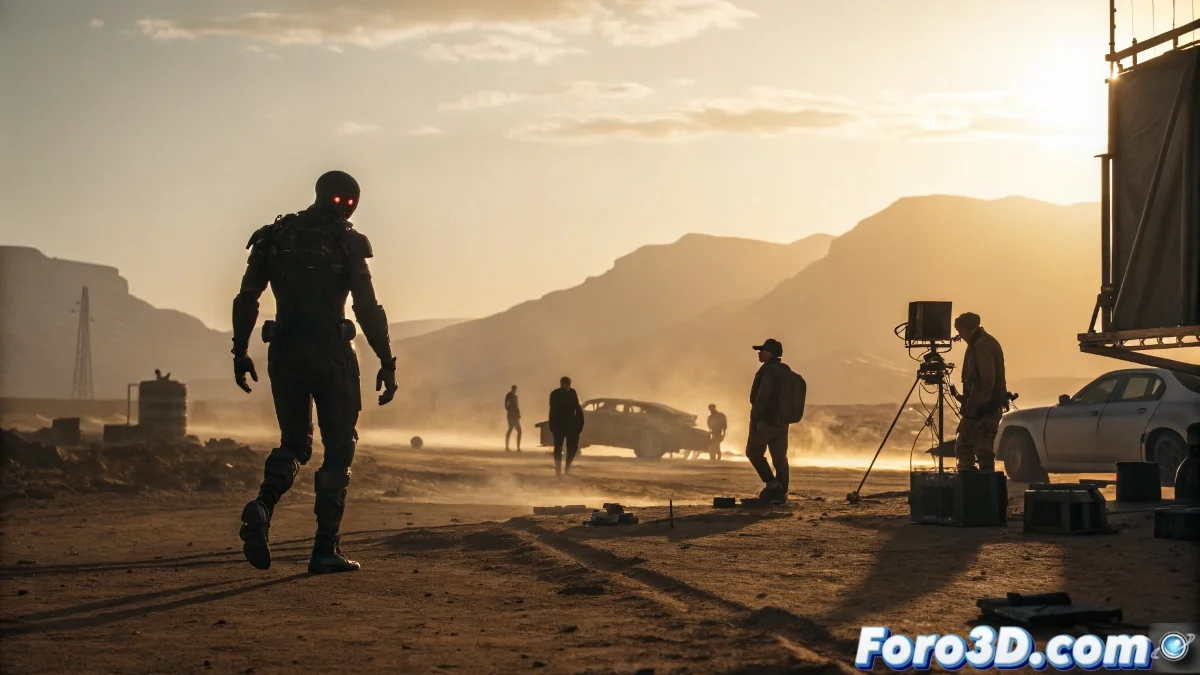
Thunderbolts: the invisible art of VFX that defines Marvel's new look
When the MCU decided that Thunderbolts needed a grittier visual approach, they weren't kidding. With over 1,200 effects distributed among ILM, Digital Domain, and Base FX, the film achieves something rare: making the digital look so real it hurts. Literally. 💥🎬
"We wanted every digital punch to leave psychological bruises" - Marvel VFX Supervisor
Technologies that blur boundaries
The VFX arsenal included:
- Charlatan from Digital Domain: perfect blend of actors' faces with doubles
- Houdini for fire and destruction with visceral physics
- RenderMan 24 + AWS for ultra-fast 4K renders
- Predictive AI to detect lighting errors
Specialized studios, unique results
Each studio brought its genius:
- Base FX: Overturned limousines with hyperrealistic dust
- Framestore: Laboratories that expand like nightmares
- Rising Sun: Shadows that turn into weapons
- ILM: Creatures that respect the laws of physics
The future is already here (and it comes with AI)
The most revolutionary:
- Automatic rotoscoping that saves weeks of work
- Facial tracking that keeps emotions intact
- Inconsistency detectors in real time
So when you see Ghost disappear or Taskmaster move with robotic precision, remember: the best effects are not the ones you see, but the ones you believe were practical. And in Thunderbolts, that illusion is as powerful as its characters. 😉
P.S.: The artists confess that now they look at the real world and think "that building needs more destruction passes in Houdini".