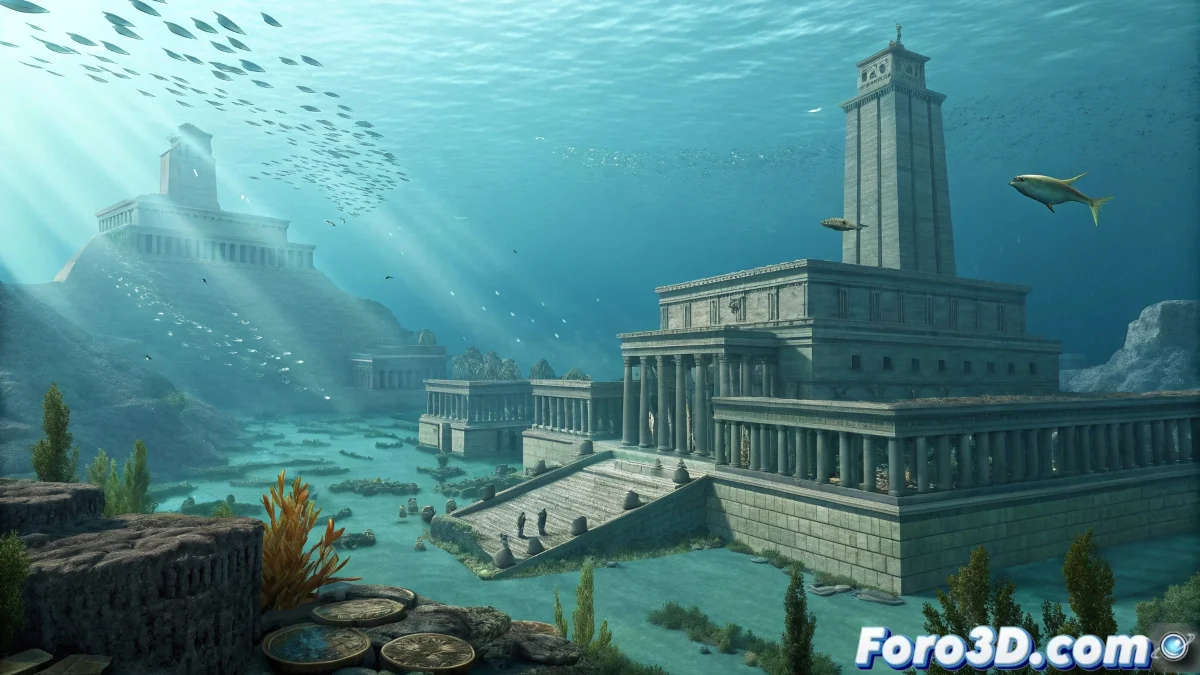
The Giant Port City Swallowed by the Sea
For centuries, Thonis-Heracleion was more than a city; it was the key to Egypt. 🗝️ Located at the mouth of the Nile, this port metropolis functioned as the kingdom's main customs point, where all Mediterranean ships had to stop to pay taxes and make offerings before venturing into pharaonic lands. Its importance was such that it rivaled Alexandria itself. However, by the 8th century AD, the city simply vanished from maps and memory, sinking beneath the waters for reasons that remained a mystery for over a millennium.
The Science Behind the Sinking
The rediscovery of the city by archaeologist Franck Goddio in 2000 not only uncovered an archaeological treasure but also solved the enigma of its disappearance. Geological studies indicate that the sinking was caused by a catastrophic combination. 🌊 Earthquakes likely initiated the process, but the final blow was delivered by a phenomenon called soil liquefaction. The clayey terrain on which the city was built, saturated by the Nile floods, lost all its solidity under seismic shocks, behaving like a liquid and literally swallowing temples, statues, and homes.
Thonis-Heracleion did not sink; it was engulfed by the very earth that supported it.
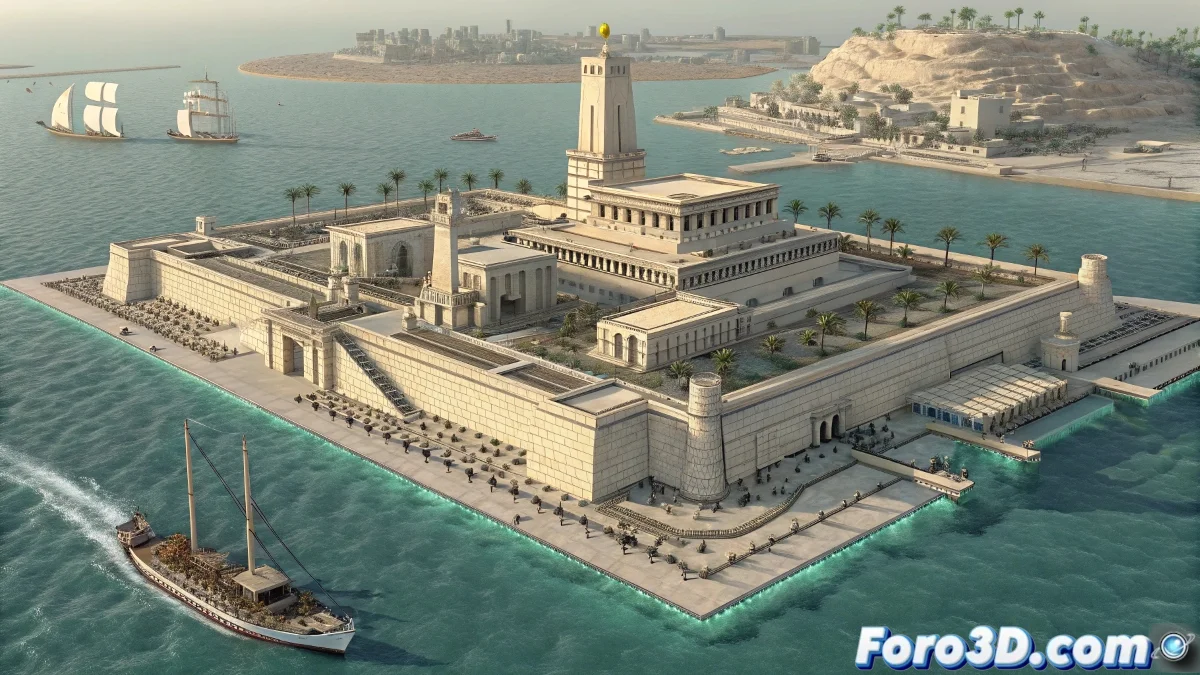
A Treasure at the Bottom of the Sea
The calm waters of Abukir Bay have preserved an incredible heritage. Underwater excavations have brought to light colossal statues of pharaohs and gods, gold coins, jewelry, and the remains of over 70 ancient ships. ⚓ Each object tells a story of life in the city at its peak, during the Hellenistic period, when Egyptian and Greek cultures fused. The most emblematic piece is perhaps the stele of Nectanebo I, which confirmed the city's Egyptian name (Thonis) and its Greek twin (Heracleion).
- Religious center: Numerous temples dedicated to Amun and other gods have been found.
- Evidence of trade: Goods from across the Mediterranean attest to its commercial role.
- Exceptional preservation: The mud has preserved organic materials like wood and textiles.
Recreating the Catastrophe in 3D
Visualizing this historical event is possible with tools like Houdini. Using rigid body dynamics (RBD) simulations, the progressive collapse of buildings can be recreated. 💡 The key is simulating liquefaction of the soil as a fluid that gradually loses viscosity, causing structures to tilt and sink realistically. Adding volumetric effects of sediments in the water and light filtering from the surface creates the melancholic and enigmatic atmosphere of the lost city.
It is a humble reminder of the power of nature. A city that controlled the trade of an empire was defeated not by an army, but by the earth beneath its feet. 😮💨 A geology lesson that echoed for a thousand years.