ITV Reform and Battery Passport: A New Scenario for Drivers
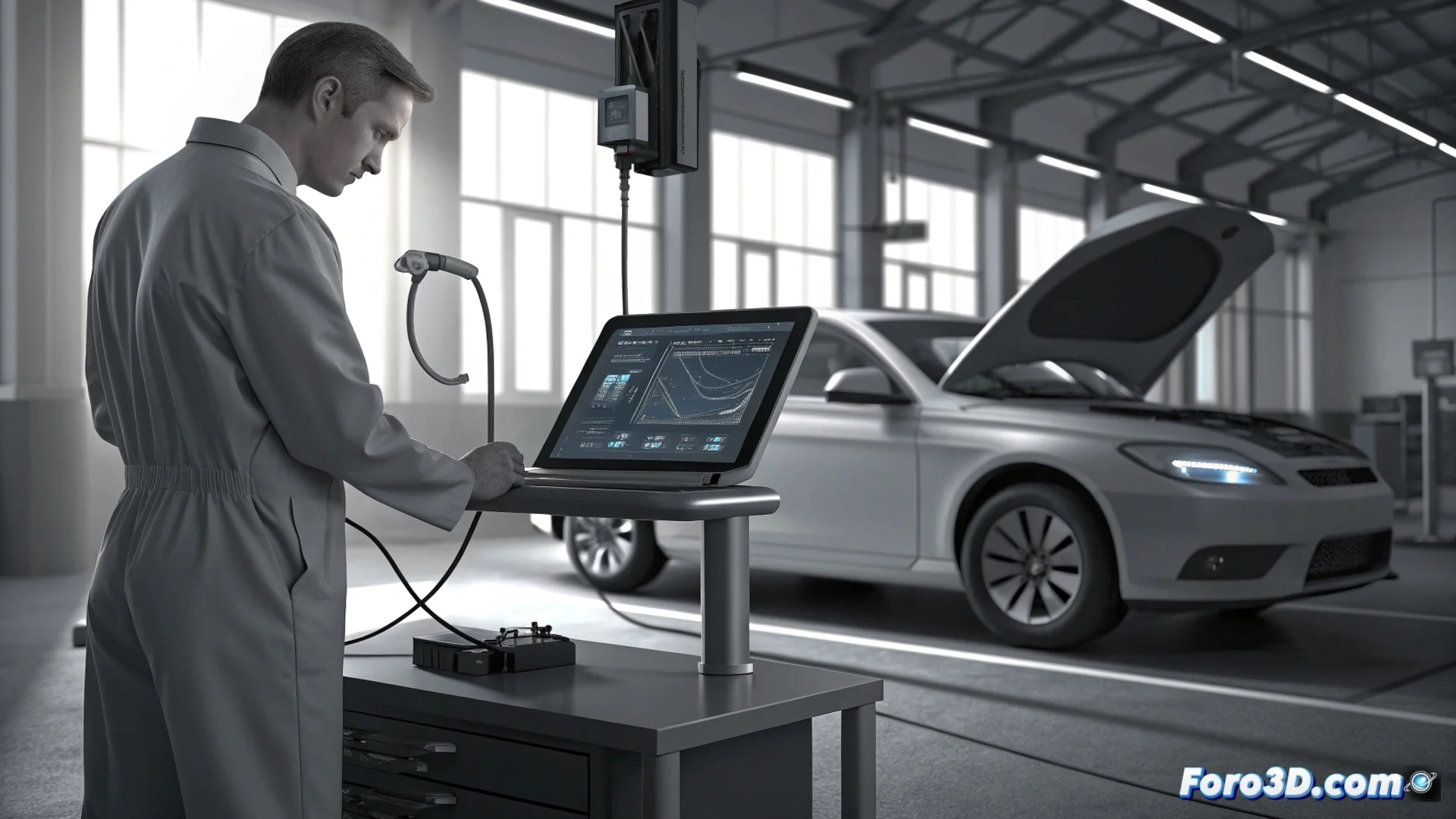
The landscape for vehicle owners is about to change radically. 🚗 The authorities are preparing a profound transformation in the Vehicle Technical Inspection process, which will shift from being a mechanical check to an exhaustive digital scan. This involves connecting directly to the car's control unit to extract real-time data.
The End of Traditional ITV and Digital Control
The new system aims to monitor real emissions and the operation of all electronic safety systems. For older vehicles, this poses a direct threat. Any sensor that does not meet the new, stricter parameters could be sufficient grounds to declare the vehicle unfit. The result would be an administrative deregistration that forces scrapping, eliminating the option to repair. 🔧
Key Changes in the Inspection:- Mandatory OBD Connection: Data will be read directly from the car's electronic systems.
- Stricter Thresholds: Tolerated values for emissions and safety sensors will be more demanding.
- Older Vehicles at Risk: Cars without the appropriate technology or with faults in old sensors will face technical deregistration.
They are locking us into a circle where having an old car will be illegal due to the ITV, and having a new one will be impossible due to the price increase.
The Electric Future: The Battery Passport
For those opting for an electric vehicle, another requirement emerges. Starting in 2026, the so-called Battery Passport will be mandatory. It is a digital history that will record the entire life of the battery pack: its origin, capacity, charge cycles, and health status. Although presented as a tool to promote sustainability and the circular economy, in practice it is perceived as an additional bureaucratic fee. Manufacturers are already passing this cost on to the final vehicle price. 🔋
Implications of the Battery Passport:- Constant Monitoring: Mandatory digital tracking of the most expensive component of the electric car.
- Cost Increase: The expenses to implement and maintain this system will fall on the consumer.
- New Control System: Greater state and manufacturer traceability over the vehicle and its owner.
A Crossroads for the Driver
The scenario that is emerging places the driver in a complicated position. On one hand, there is pressure to renew the vehicle fleet through tougher technical inspections. On the other, the alternative of buying a new vehicle, especially electric, becomes more expensive