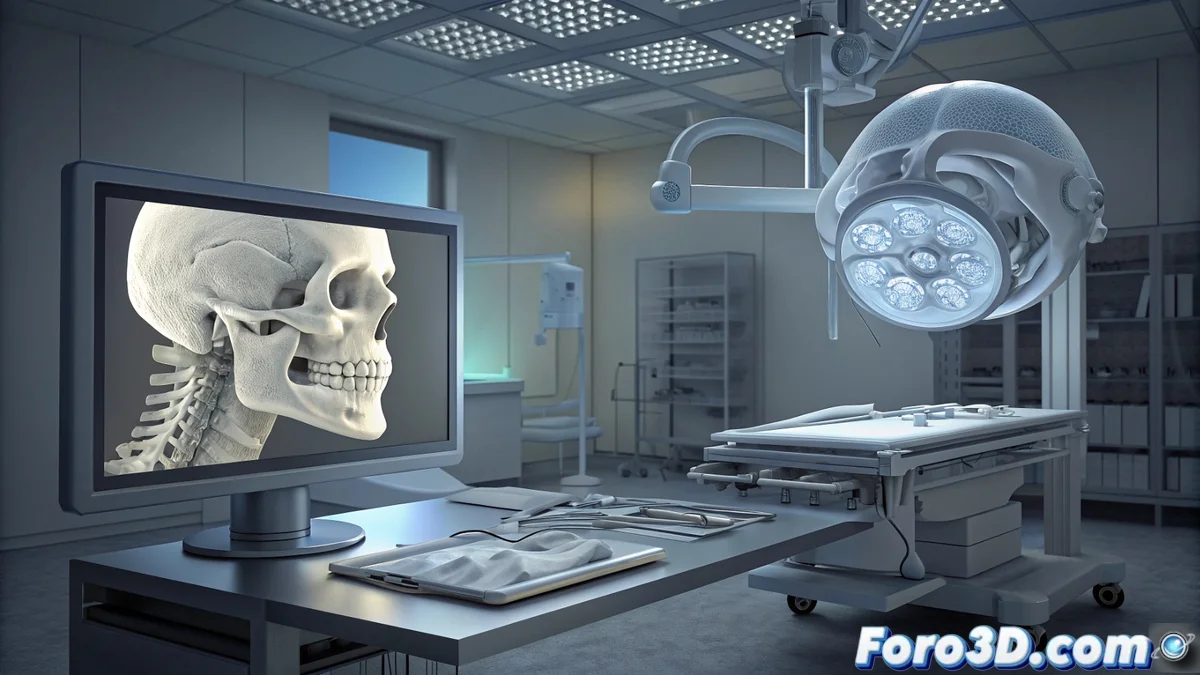
FDA Authorizes 3D Systems to Use Its VSP Orthopedics Platform in Adolescents
The U.S. Food and Drug Administration (FDA) has expanded the regulatory scope of a key tool in personalized medicine. Now, 3D Systems' VSP Orthopedics platform can be applied to patients aged 13 to 17, a demographic not previously covered by the authorization. This change allows addressing complex surgical needs during a crucial stage of development. 🩺
How Does VSP Orthopedics Technology Work?
The platform integrates medical imaging, design software, and additive manufacturing to create unique solutions for each patient. Surgeons send CT scan data and receive a virtual surgical plan for review. After approval, 3D Systems manufactures the devices using 3D printing with certified biocompatible materials.
Key Platform Process:- Process CT Data: Patient images are converted into a 3D digital model.
- Design Guides and Implants: Surgical instruments are created that fit the patient's exact anatomy.
- Manufacture with 3D Printing: Physical devices are produced ready for sterilization and use in surgery.
This method aims to increase precision in the operating room and can reduce the time the patient spends under anesthesia.
Impact on Specific Procedures
The authorization primarily affects orthognathic surgery and head and neck reconstructive surgery. These procedures correct skeletal and dental irregularities in the jaw and facial structure. Including adolescents allows medical teams to plan interventions while the body is still developing.
Benefits of Customization for Young People:- Adapt to Growing Anatomies: Guides are designed considering the unique and changing structure of the adolescent patient.
- Plan at Crucial Stage: Allows intervention at optimal moments in facial and skeletal development.
- Aim for Better Outcomes: The system's precision seeks to optimize long-term functional and aesthetic results.
A Step Forward in Personalized Medicine
This FDA decision marks an advance by extending the benefits of medical 3D printing to a younger population. The ability to manufacture customized surgical guides for adolescents not only modernizes how complex surgeries are performed but also underscores the role of additive manufacturing in shaping the future of healthcare. The VSP Orthopedics platform demonstrates how 3D technology can evolve to meet specific clinical needs. 🦴