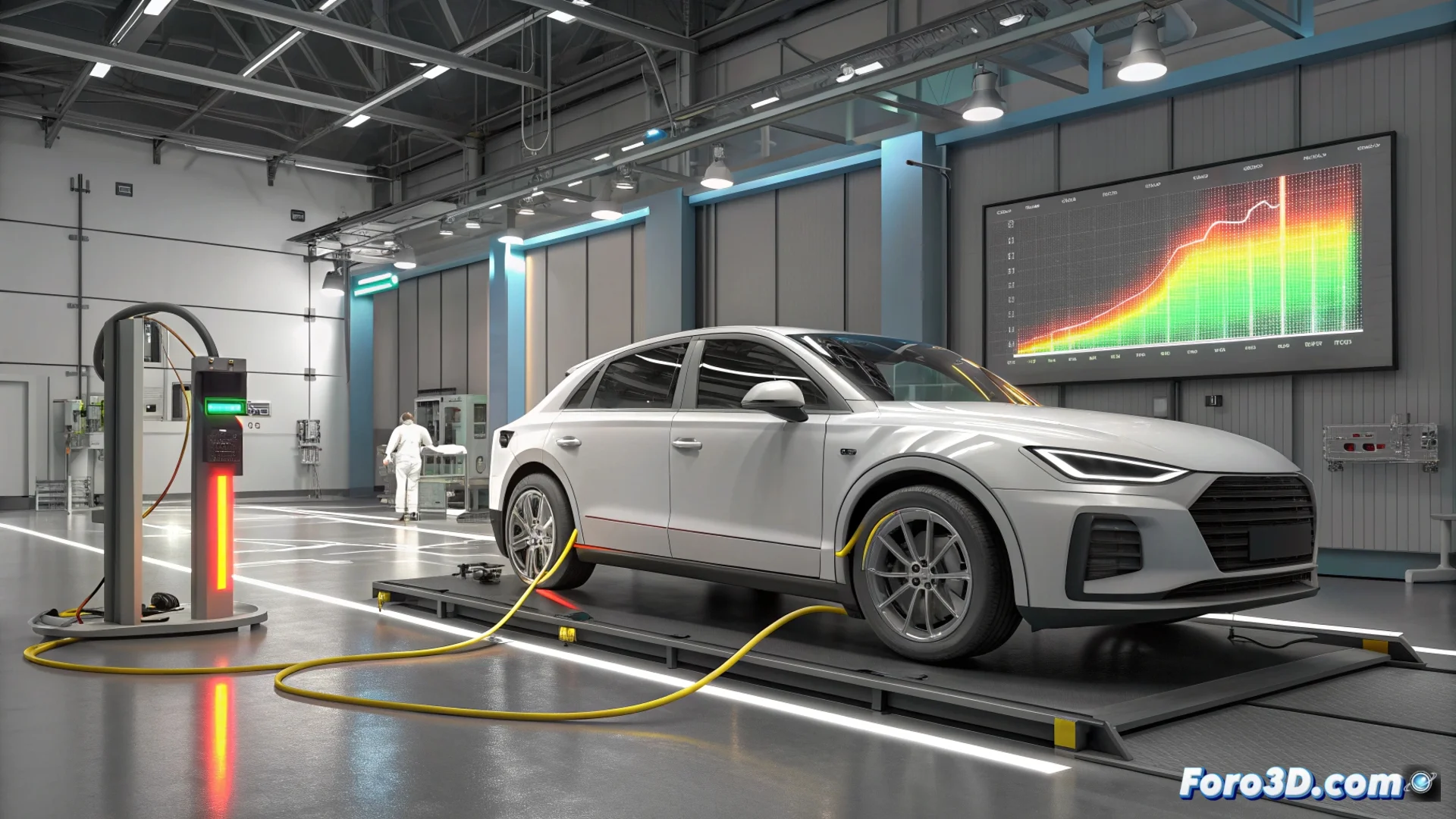
Euro 6e-bis regulation changes how plug-in hybrids are evaluated
The update to the Euro 6e-bis regulation, which came into effect on the first day of 2025, redefines the process for certifying fuel consumption and emissions from automobiles. This adjustment fully impacts plug-in hybrid vehicles (PHEV). The previous method allowed tests to be conducted with the battery fully charged, generating official figures for consumption and pollution that were extremely low and difficult to match on the road. The new rule addresses this issue by requiring tests to simulate a more realistic driving situation, where the gasoline or diesel engine operates more frequently. 🚗⚡
The new measurement method
The WLTP procedure, which was already in use, is updated. Now, instead of systematically starting with the battery fully charged, the test for PHEVs recreates a more common state of charge. Fuel consumption and emissions are evaluated with the battery at its lowest level, forcing the combustion engine to work. This produces higher official data and, crucially, data closer to what a user experiences in their routine. Brands are required to publish these updated values, enabling clearer model comparisons.
Key changes in the protocol:- A more habitual and realistic battery charge state is simulated.
- The thermal engine must operate during the test, increasing consumption figures.
- Official results are closer to daily driving experience.
Technical data sheets gain reliability, showing a more transparent real cost of use.
Consequences for the industry and drivers
For those considering a purchase, the technical information will be more reliable. A plug-in hybrid that previously indicated 1.5 liters per 100 km may now show a figure close to 5 or 6 liters, depending on the model. This alters the calculation of the true cost of using the vehicle and the tons of CO2 declared. For manufacturers, it represents a technical challenge to optimize the efficiency of their hybrid systems even further, as they can no longer rely on such advantageous measurements. The regulation may also influence emissions-related taxes in various countries.
Immediate effects:- Increase in official consumption and emissions figures in technical data sheets.
- Pressure on manufacturers to improve efficiency in thermal mode.
- Possible adjustment of environmental taxes in various countries.
A new reality for the user
The driver who rarely plugged in their plug-in hybrid will now see that habit reflected in the official documents. The Euro 6e-bis brings the paperwork closer to the road, eliminating a loophole that allowed unrealistic figures. This step seeks to make the market transparent and provide a solid basis for comparison, where the advertised efficiency finally resembles what can be achieved. 🔌📊