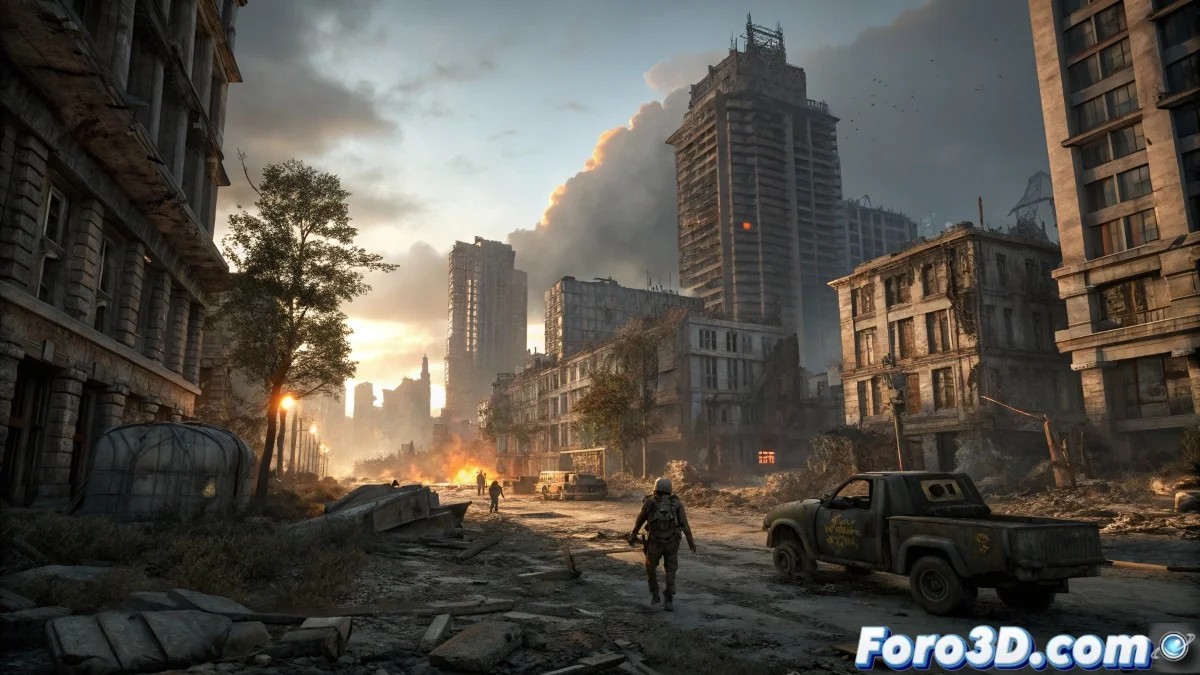
When the Apocalypse Needs a Team of Artists
In Dying Light 2, Platige Image proved that the end of the world can be surprisingly beautiful... in its own dark way 🌆🧟. The artists turned devastated streets and hordes of infected into a visually stunning experience, where every detail heightens the player's tension.
Ingredients for a Visually Stunning Nightmare
Platige's creative survival kit included:
- Cities modeled in Maya with just the right level of aesthetic destruction
- Infected sculpted in ZBrush that give nightmares even to genre veterans
- Simulations in Houdini for chaos that seems random but is meticulously planned
The most epic bug: when an infected decided it was time to breakdance. Maybe the virus mutated into something more rhythmic.
How to Recreate This Apocalypse in Blender
- Destroyed Environments: Hard-surface modeling with Fracture modifiers
- Enemy Swarms: Particle systems with instanced animations
- Blood Effects: Fluid simulations with the Mantaflow engine
The Science of Post-Apocalyptic Chaos
The technical challenges included:
- Coordinating hordes to feel like an organic threat, not a digital one
- Nighttime lighting that was atmospheric yet still playable
- Compositing in Nuke while maintaining consistency between CGI and gameplay
The result was so immersive that players instinctively dodged screens... although that didn't help against the real infected 🎮.
Lessons for Artists of the Digital End of the World
This project taught that:
- Believable chaos requires more planning than perfect order
- Simulation errors sometimes inspire new game mechanics
- Even the fiercest zombies can have their breakdance moment
So next time you're running across post-apocalyptic rooftops, remember: behind every infected is a 3D artist who probably dreamt of chases that night... and of renders not turning into unexpected dancers 🏙️💃.