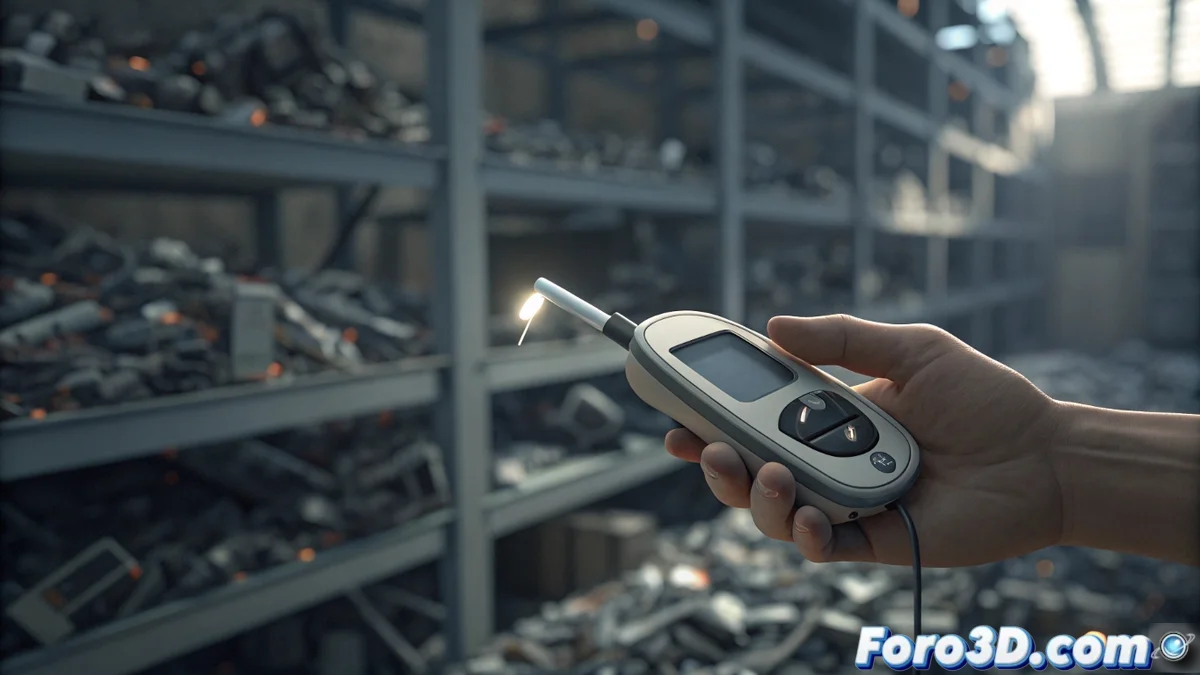
The Business Model of Medical Consumables and Planned Obsolescence
In the field of personal health, devices such as glucometers and blood pressure monitors have popularized self-monitoring. However, behind their apparent accessibility hides a commercial system that generates controversy. The real cost is not in the device, often given away or very inexpensive, but in the exclusive consumables it requires to function, creating a perpetual bond between the user and the brand. 🩺
The Trap of Dependency on Consumables
This model, similar to that of printers and their cartridges, is based on the recurrent sale of items like test strips or specific sensors. Once the initial device is purchased, the patient becomes captive to a single supplier for replacements, as compatibility is closed. This shifts the substantial long-term expense to the consumer, who, out of necessity to manage their condition, must accept these terms. The economy of the chronic patient is thus subjected to a constant flow of predictable payments for the manufacturer.
Key mechanisms of this model:- Low price of the main device: Initial strategy to attract users and secure a customer base.
- Brand-exclusive consumables: Designed to be incompatible with other manufacturers, eliminating competition.
- Continuous medical need: The user cannot stop purchasing them, as they are essential for health monitoring.
You become a lifetime subscriber to test strips, with the constant threat that your 'service' will be canceled, leaving you with a device that only serves as a technological paperweight.
Induced Obsolescence and Environmental Impact
The problem intensifies with the discontinuation of consumables or the release of new models. A technically operational device becomes obsolete overnight, forcing the user to make a new expenditure. This practice, perceived as planned obsolescence, not only represents an unjustified additional cost but also massively contributes to the generation of electronic waste. Arguments about improvements in accuracy or technology often hide a strategy to maintain recurring revenue, prioritizing profit over sustainability and family economy. ♻️
Consequences of discontinuation:- Disposal of functional equipment: Generates mountains of electronic waste (e-waste) that is difficult to recycle.
- Unexpected expense for the patient: Forces the purchase of a new complete kit, impacting already strained economies.
- Lack of transparency: Product renewal cycles are not usually communicated clearly to the consumer.
Towards a Future with Interoperability and Choice
Facing this scenario, voices demanding standardization and interoperability are growing. The idea is to allow devices to work with consumables from different brands, fostering competition and lowering prices. Some regulations are beginning, slowly, to consider these aspects. In the meantime, informed users seek manufacturers with a commitment to long-term support or more open technologies. Pressure from patient communities and disclosure are key tools to change a paradigm that challenges the economic autonomy of those living with permanent health conditions. The fight is to break the cycle and return the power of choice to the consumer. 💪